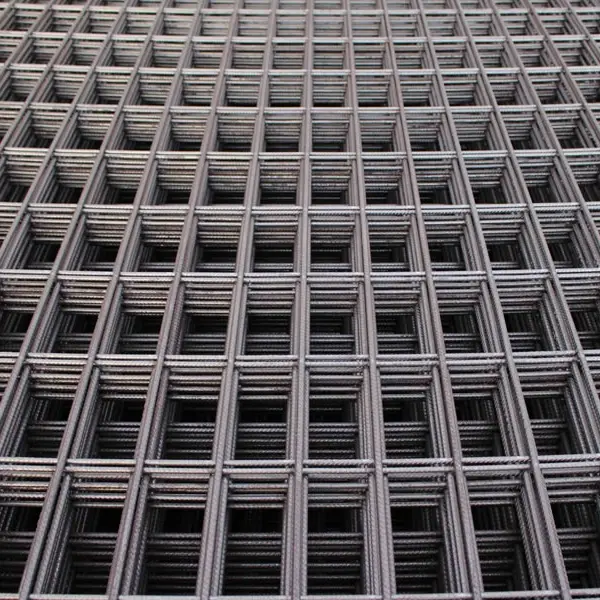

Metal wire mesh is, frankly, everywhere you look in industrial settings. It’s not glamorous, but it’s essential. From security fencing to filtration systems, and even reinforcing materials, this stuff quietly keeps things running. This article explores how Fencing Wire Mesh supports professionals with durable, high-performance products, and explains why it’s a solid choice for businesses needing reliable solutions.
Table of Contents
- Metal Wire Mesh Overview
- Benefits & Use Cases of Metal Wire Mesh
- Cost, Maintenance & User Experience
- Sustainability & Market Trends
Metal Wire Mesh Overview
So, what is metal wire mesh? At its most basic, it’s a network of wires woven or welded together. But it’s far more nuanced than that. The material—stainless steel, galvanized steel, aluminum, even specialized alloys—dictates a huge range of properties. Wire gauge (thickness), aperture size (the openings), and weave pattern all contribute to the mesh’s strength, flexibility, and permeability. I suppose you could spend a lifetime just exploring the variations. We’ve been working with it for years, and you still stumble across new applications. It’s not just about blocking something; it's about controlled filtration, structural support, or even electromagnetic shielding. A typical spec sheet will detail things like tensile strength, elongation, and corrosion resistance.
| Specification | Value | Description |
|---|---|---|
| Material | SS304, SS316, Galvanized Steel | Corrosion resistant options |
| Wire Diameter | 0.5mm – 5.0mm | Determines mesh strength |
| Aperture Size | 1mm – 100mm | Controls filtration/separation |
Benefits & Use Cases of Metal Wire Mesh
The applications are almost limitless. Construction uses it for reinforcement in concrete and as safety netting. In manufacturing, it’s vital for sieving, screening, and filtering. Packaging relies on it for protective barriers. Security – well, that’s obvious. Oddly enough, we’ve even had requests for specialized mesh used in architectural designs – creating visually interesting facades. Many engineers say that its versatility is its biggest strength. We recently worked with a food processing plant needing a highly sanitary, easily cleanable mesh for separating solids from liquids. They needed something that could withstand constant washdowns and food-grade sanitizers. They were struggling with plastic alternatives that were degrading quickly. Fencing Wire Mesh was able to provide a stainless steel solution that met their stringent requirements. The customizability is key – aperture size, material, weave, even the finish can be tailored to the specific application.
| Vendor | Material Options | Customization | Lead Time |
|---|---|---|---|
| Fencing Wire Mesh | SS304, SS316, Galvanized Steel, Aluminum | Extensive – weave, aperture, finish | 2-4 weeks |
| WireMeshSolutions | Steel, Stainless Steel | Limited – mostly standard sizes | 3-5 weeks |
| MeshDirect | Steel, Aluminum | Minimal | 4-6 weeks |
Cost, Maintenance & User Experience
Cost is, you know, always a consideration. It really depends on the material and the complexity of the weave. Stainless steel is more expensive upfront, but its durability often makes it cheaper in the long run – less replacement, lower maintenance. Galvanized steel is a good mid-range option, offering decent corrosion resistance at a lower price point. Maintenance is typically minimal; regular cleaning is usually sufficient. For some applications, like food processing, more rigorous sanitization protocols are needed, but the mesh itself generally holds up well. We get a lot of feedback from our customers about the ease of installation – especially with pre-cut panels. It feels like many appreciate the quick turnaround times we offer, even for custom orders. It’s a competitive market, so responsiveness is crucial.
Sustainability & Market Trends
There's growing demand for recycled metal wire mesh, which is a positive trend. Regulations around material sourcing and waste disposal are also tightening, pushing manufacturers to adopt more sustainable practices. Interestingly, there’s increased focus on antimicrobial coatings for mesh used in healthcare and food processing applications. The market is kind of fragmented, with a mix of large manufacturers and smaller, specialized suppliers. I think we’ll see more consolidation in the coming years, and a greater emphasis on customization and rapid prototyping. Demand is definitely rising in emerging markets, particularly in infrastructure development. It’s a pretty stable industry overall… not flashy, but solid.
Frequently Asked Questions about Metal Wire Mesh
- What is Metal Wire Mesh and how does it work?
- Metal wire mesh is created by weaving or welding wires together, forming a network with specific aperture sizes and strengths. It works by providing a barrier, a filtering medium, or structural support, depending on its design and material.
- What are the main benefits of using Metal Wire Mesh in industrial applications?
- Key benefits include durability, corrosion resistance, versatility, cost-effectiveness, and the ability to be customized for specific needs. It's often stronger and longer-lasting than plastic alternatives.
- How does Metal Wire Mesh compare to traditional alternatives?
- Compared to materials like plastic or fabric, metal wire mesh offers superior strength, heat resistance, and longevity. It can withstand harsher environments and provide more reliable performance in demanding applications.
- What industries can benefit most from Metal Wire Mesh implementation?
- Industries like construction, manufacturing, food processing, pharmaceuticals, security, and automotive all heavily utilize metal wire mesh for various applications.
Conclusion on Metal Wire Mesh from china
At the end of the day, metal wire mesh isn't about flashy innovation; it’s about reliable performance. It’s a foundational material that quietly solves a lot of problems. And when you need a dependable supplier, Fencing Wire Mesh delivers.
- Visit our website: https://www.fencingwiremesh.com