
Metal Cage Panels: A Comprehensive Guide
When constructing secure enclosures for animals, equipment, or safety purposes, metal cage panels offer a durable and versatile solution. These panels are integral to creating robust and reliable structures across various applications. Understanding the different types, materials, and applications of metal cage panels is crucial for making informed decisions. Fencing Wire Mesh specializes in providing high-quality metal cage panels tailored to your specific needs. We'll explore the key aspects of these panels, ensuring you choose the best option for your project.
Understanding Metal Cage Panels
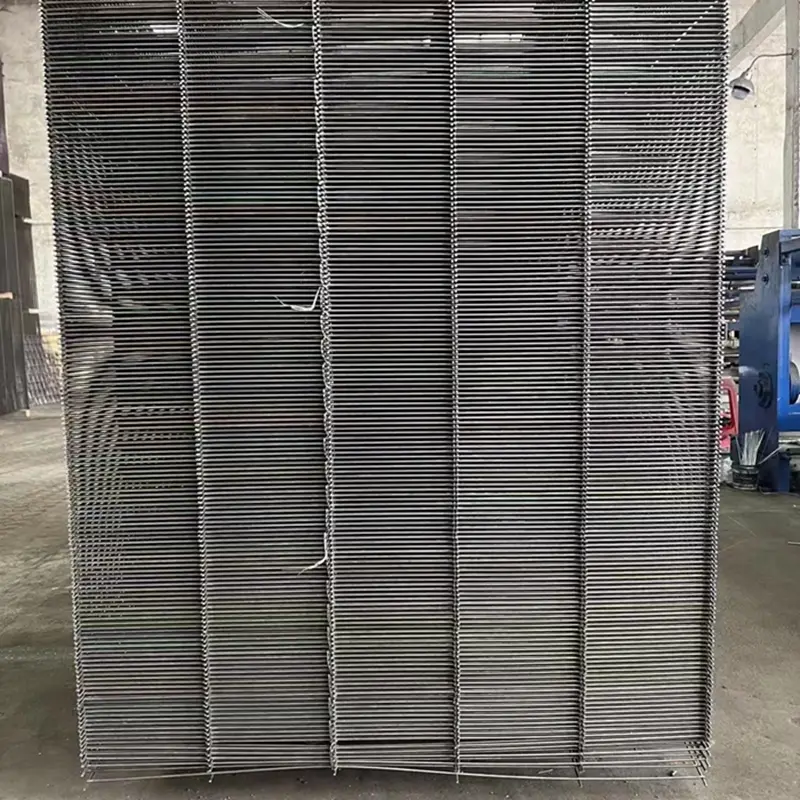
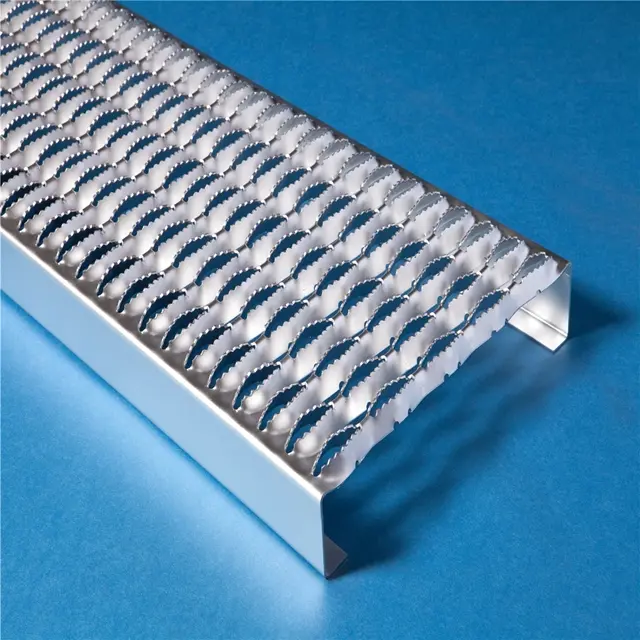
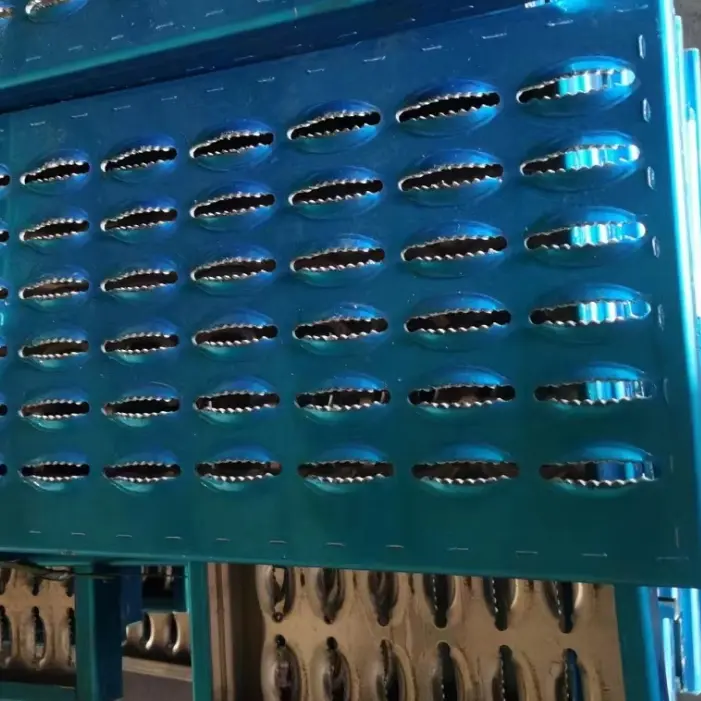
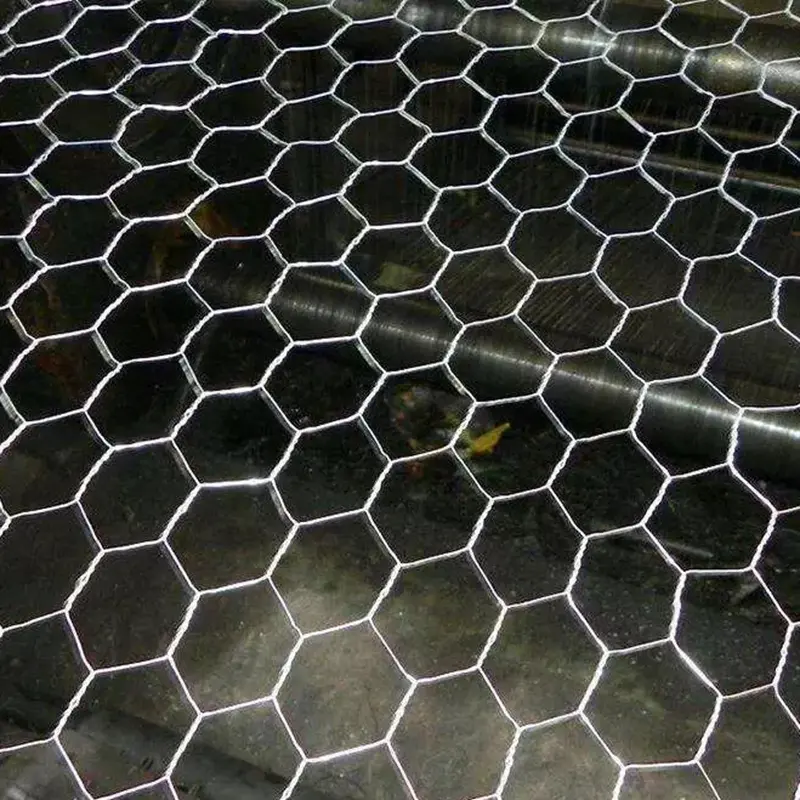
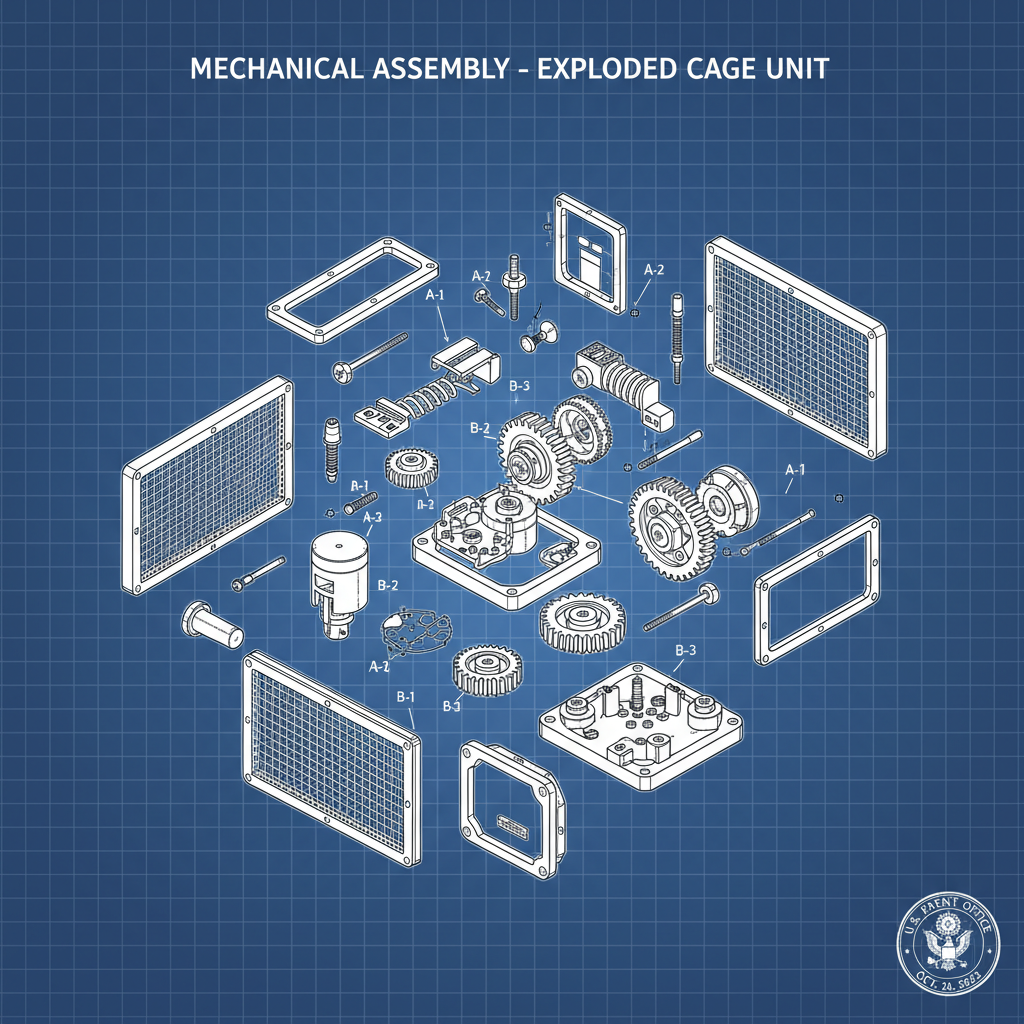
Metal cage panels are prefabricated sections used to build enclosures. They consist of a metal framework with an infill material, such as welded wire mesh, expanded metal, or perforated sheet metal. These panels are designed for easy assembly, offering a quicker and more cost-effective alternative to constructing cages from individual components. They’re commonly used in animal containment, security fencing, machine guarding, and storage solutions. The choice of material and infill depends largely on the intended application and the level of security or containment required.
Key Benefits: Quick assembly, durable construction, versatile applications, cost-effective solution, and enhanced security.
Common Materials Used in Metal Cage Panels
Several metals are employed in the manufacture of cage panels, each offering different properties. Galvanized steel is a popular choice due to its corrosion resistance and affordability. Stainless steel provides superior corrosion resistance, making it ideal for harsh environments or applications requiring hygiene. Aluminum is lightweight and corrosion-resistant, suitable for applications where weight is a concern. The thickness (gauge) of the metal also impacts the panel's strength and durability. Contact Fencing Wire Mesh to discuss the best material for your project.
Material Comparison:
• Galvanized Steel: Cost-effective, good corrosion resistance.
• Stainless Steel: Superior corrosion resistance, hygienic.
• Aluminum: Lightweight, corrosion-resistant.
Metal Cage Panels for Different Applications
The versatility of metal cage panels makes them suitable for a wide array of applications. Animal enclosures require panels with appropriate mesh size to prevent escapes while ensuring ventilation. Security cages utilize heavier gauge steel and smaller mesh openings to deter intruders. Machine guarding panels protect personnel from moving parts, often employing expanded metal for visibility and air circulation. Storage cages provide secure storage for valuable items, offering organized and protected space. The panel design is customized depending on the specific requirements of each application.
Factors to Consider When Choosing Metal Cage Panels
Selecting the right metal cage panels requires careful consideration of several factors. The size of the enclosure, the weight of the contents, and the level of security needed all play a role. The environment in which the panels will be used is also important; corrosive environments necessitate corrosion-resistant materials like stainless steel. Proper installation is crucial to ensure the stability and integrity of the cage. Our team at Fencing Wire Mesh can guide you through the selection process and provide expert installation advice.
Product Specifications & Customization Options
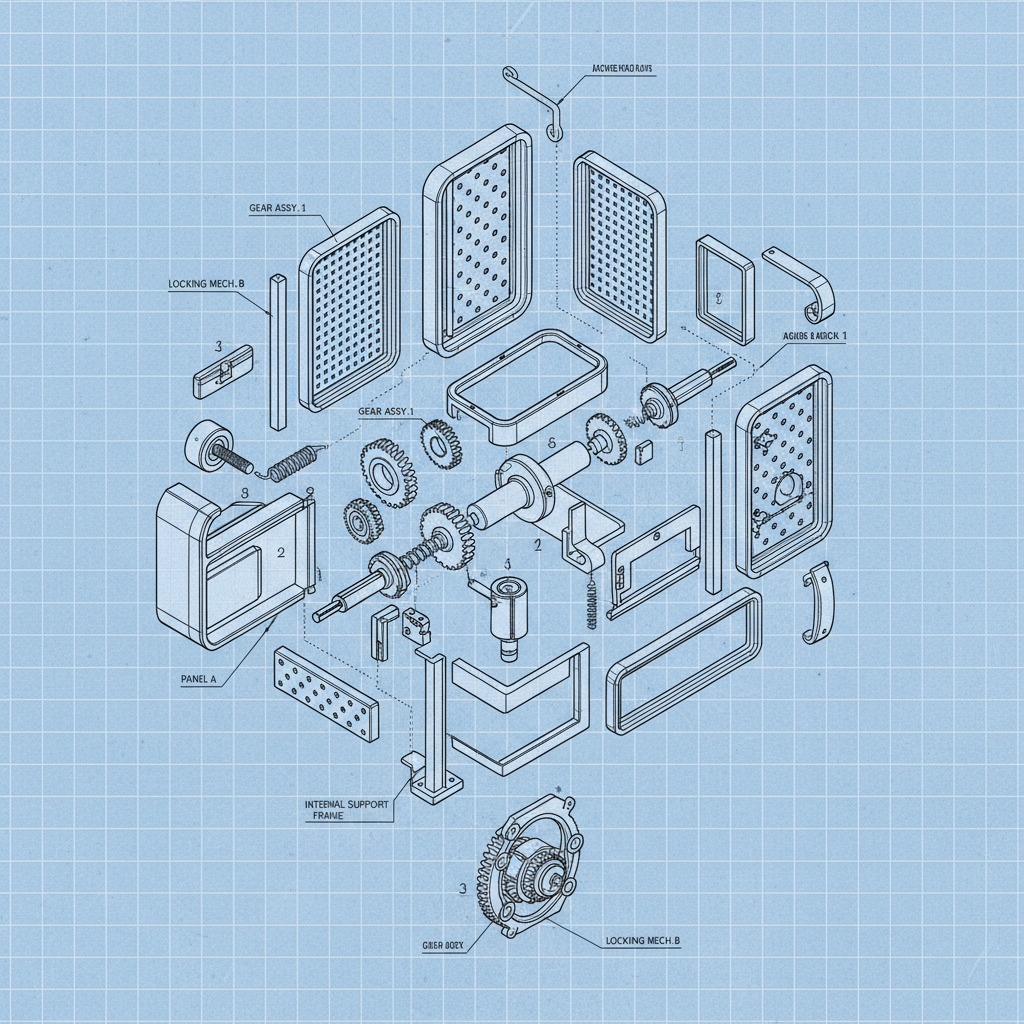
We offer a range of standard metal cage panel sizes and configurations, but we also specialize in custom fabrication to meet unique project requirements. We can adjust panel dimensions, mesh size, material thickness, and finishing options. Our customization capabilities ensure a perfect fit for your specific application.
Conclusion: Choosing the Right Metal Cage Panels for Your Needs
Investing in high-quality metal cage panels ensures durability, security, and peace of mind. By carefully considering your specific application and choosing the appropriate materials and configurations, you can create a robust and reliable enclosure. Fencing Wire Mesh is your trusted partner for all your metal cage panel needs. Don't compromise on safety and security – choose the right panels for your project.
Frequently Asked Questions (FAQs)
What is the typical lifespan of metal cage panels?
The lifespan of metal cage panels depends largely on the material used and the environmental conditions. Galvanized steel panels typically last 10-20 years with proper maintenance, while stainless steel panels can last significantly longer, even decades. Aluminum panels also offer excellent longevity. Regular inspection for corrosion, damage, and loose connections is crucial to maximize the lifespan of your panels. Applying protective coatings can also extend their service life.
Are metal cage panels easy to install?
Metal cage panels are designed for relatively easy installation, especially compared to building a cage from scratch. Most panels connect using simple hardware like bolts, screws, or clamps. However, proper installation requires careful planning and attention to detail. Ensure the panels are securely anchored to a stable foundation and that all connections are tight. For larger or more complex installations, professional installation is recommended to ensure safety and structural integrity.
Can metal cage panels be customized to fit specific dimensions?
Yes, absolutely! Fencing Wire Mesh offers custom fabrication services to create metal cage panels to your exact specifications. We can adjust the height, width, and length of the panels, as well as modify the mesh size, material gauge, and finishing options. This ensures a perfect fit for your unique application.
What maintenance is required for metal cage panels?
Regular maintenance is essential to prolong the lifespan of metal cage panels. This includes periodic inspection for corrosion, damage, and loose connections. Remove any debris or buildup that may contribute to corrosion. For galvanized steel panels, applying a protective coating periodically can help prevent rust. For stainless steel, cleaning with a mild detergent is usually sufficient. Addressing any issues promptly will prevent them from escalating into more significant problems.