
Understanding the Benefits of a Fence Wind Break
Protecting your property, livestock, or crops from harsh winds is crucial, and a fence wind break offers an effective solution. These structures reduce wind speed, prevent erosion, and provide a more comfortable environment. This article delves into the advantages of using a fence wind break, different types available, installation considerations, and how to choose the right solution for your specific needs. We'll explore how a strategically designed wind break can significantly improve the conditions on your property.
The Core Benefits of Installing a Fence Wind Break
A well-constructed fence wind break provides multiple benefits. Primarily, it drastically reduces wind velocity, minimizing damage to structures, crops, and livestock. This reduced wind also lessens soil erosion, preserving valuable topsoil. For agricultural operations, wind breaks create a microclimate that promotes healthier plant growth and improved yields. Additionally, they enhance the comfort and safety of both humans and animals. By reducing wind chill, livestock require less energy to stay warm, leading to improved weight gain. Investing in a quality fence wind break is an investment in the long-term health and productivity of your land.
Key Highlights: Reduces wind velocity, minimizes soil erosion, promotes plant health, enhances livestock comfort, and improves overall property value.
Types of Fence Wind Breaks: Choosing the Right Solution
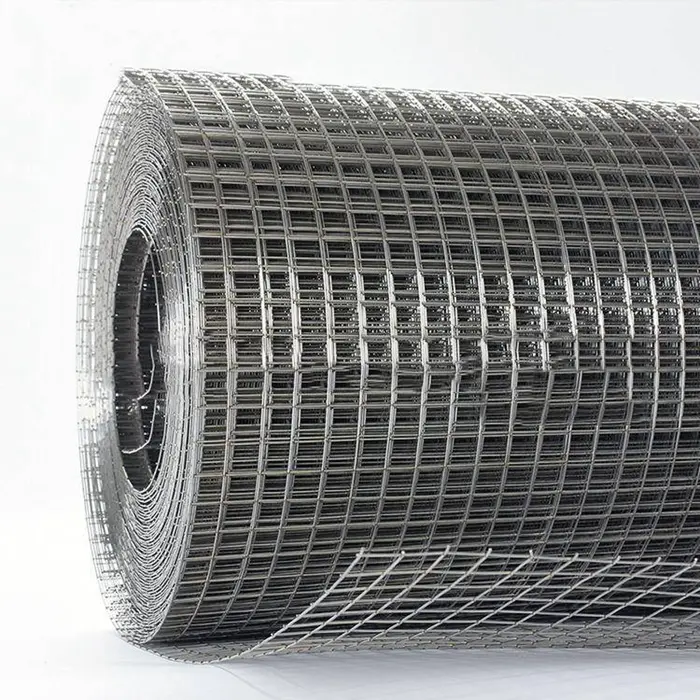
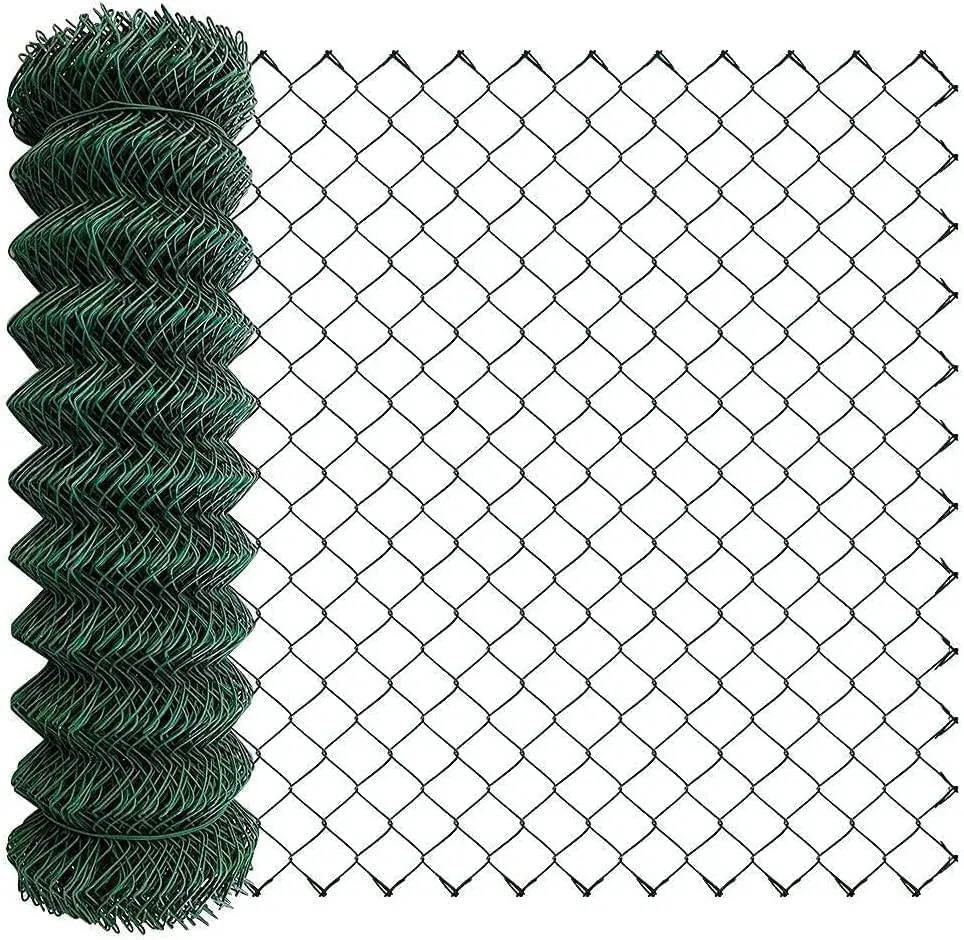
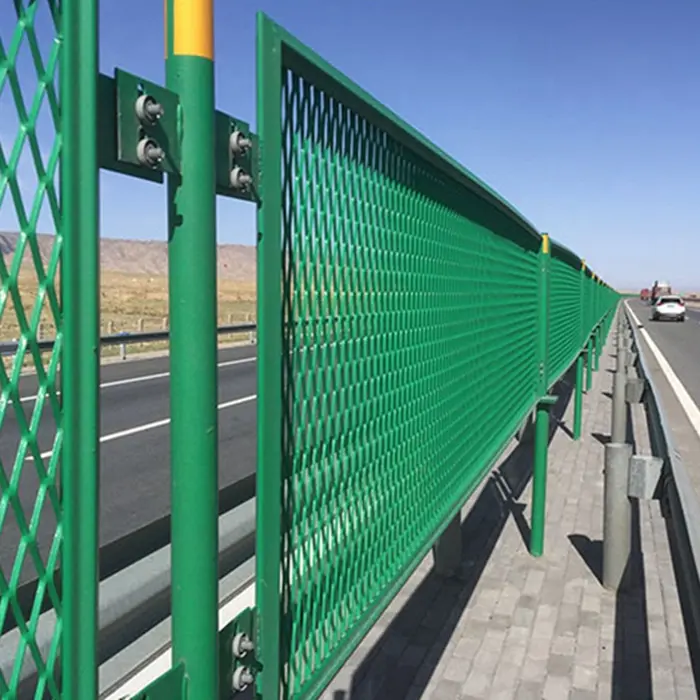
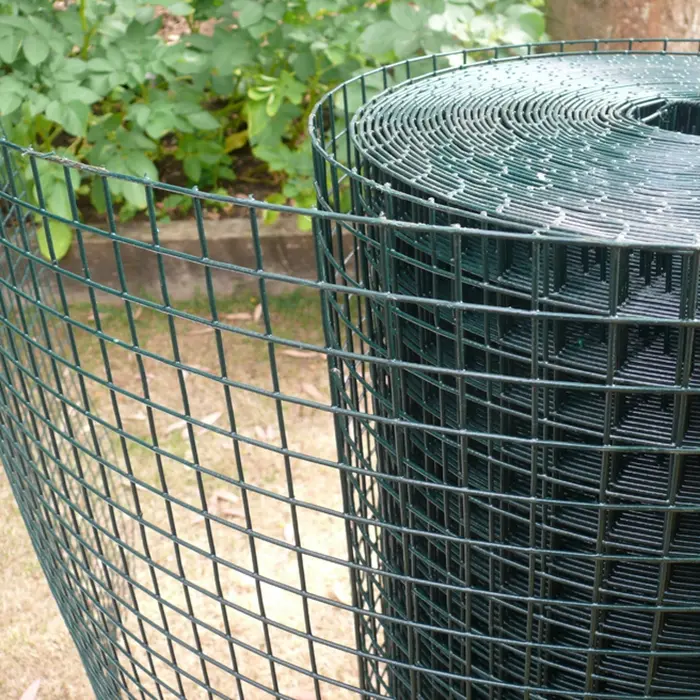
Several types of fence wind breaks are available, each with its own advantages and disadvantages. These include: Solid Fences (offering the most protection but can create turbulence), Slatted Fences (allowing some airflow to reduce turbulence while still providing significant wind reduction), Living Wind Breaks (trees and shrubs offer a natural and aesthetically pleasing solution, but require time to mature), and Mesh or Netting Fences (a cost-effective and versatile option). The best choice depends on your specific needs, budget, and the environment. Consider the prevailing wind direction, the height and length required, and the aesthetic impact you desire. Fencing Wire Mesh offers various mesh and netting solutions ideal for creating effective wind breaks.
Wind Break Type Comparison:
• Solid Fences: Highest protection, potential turbulence.
• Slatted Fences: Good protection, reduced turbulence.
• Living Wind Breaks: Natural aesthetic, requires time to mature.
• Mesh/Netting Fences: Cost-effective, versatile.
Fence Wind Break Design and Installation Considerations
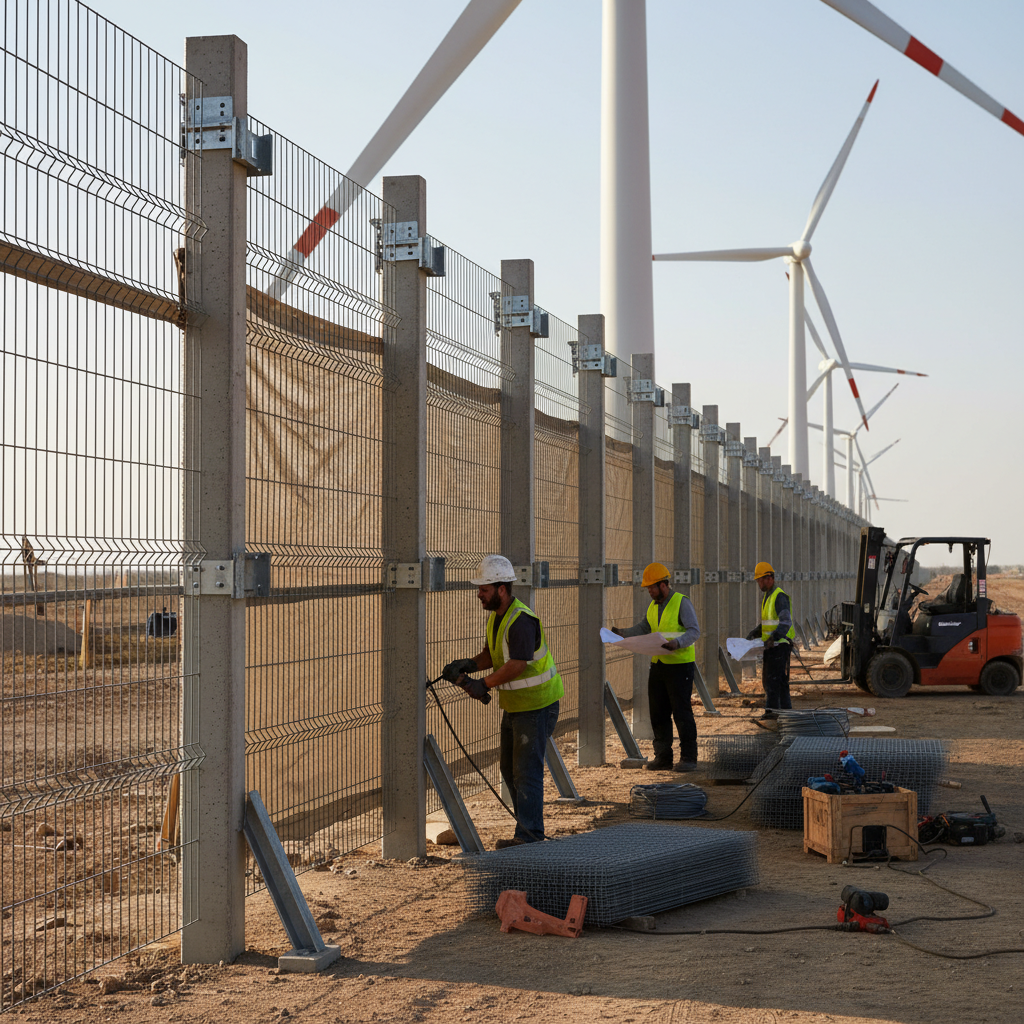
Effective wind break design requires careful planning. The height and length of the wind break should be proportional to the area you need to protect. Generally, a wind break should be at least as tall as the object you're protecting and extend at least 5-10 times its height upwind. Proper installation is crucial for stability and longevity. Use robust posts and secure fencing materials. Consider the soil type and ensure the posts are adequately anchored. Regular maintenance, including checking for damage and tightening connections, is essential to maintain the wind break's effectiveness. A professional installation can save you time and ensure a long-lasting result.
The Role of Materials in Fence Wind Break Durability
The materials used in your fence wind break significantly impact its longevity and performance. Galvanized steel posts provide excellent strength and resistance to corrosion. High-density polyethylene (HDPE) mesh is lightweight, durable, and UV-resistant. Consider using wire mesh with varying densities to achieve the desired level of wind reduction. Properly treated wood posts can also be used, but they require regular maintenance to prevent rot. Choosing high-quality materials ensures your wind break will withstand harsh weather conditions and provide years of reliable protection. Fencing Wire Mesh provides a range of durable and cost-effective material options for your wind break project.
Frequently Asked Questions (FAQs)
How much wind reduction can I expect from a fence wind break?
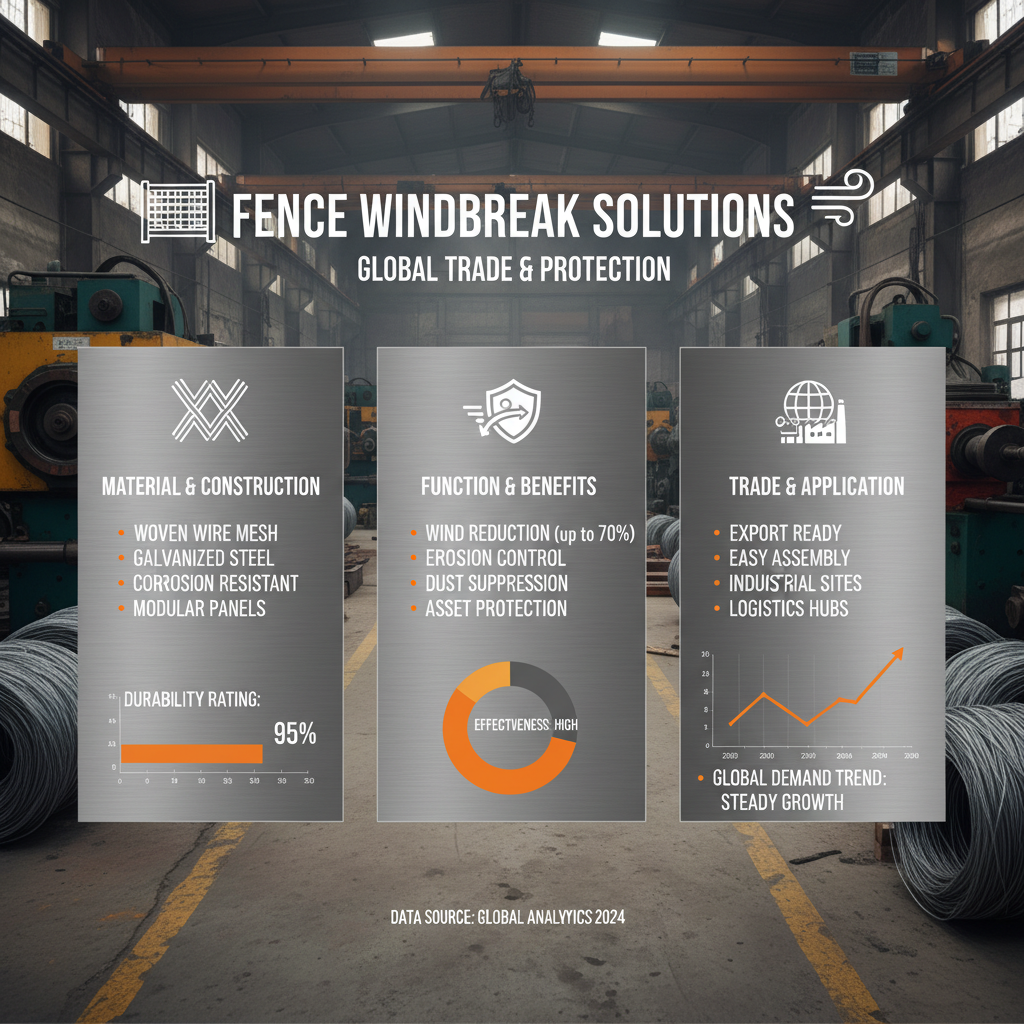
The amount of wind reduction depends on several factors, including the height, length, and density of the wind break, as well as the wind speed and direction. Generally, a well-designed wind break can reduce wind speed by up to 75% within a distance of 5-10 times its height downwind. The greatest reduction occurs directly behind the wind break, with the effect diminishing gradually as you move further away. Slatted fences and mesh fences allow for some airflow, which can reduce turbulence and extend the area of protection.
What is the best height for a fence wind break?
The optimal height depends on what you are protecting. As a general rule, the wind break should be at least as tall as the object or area you want to shield. For protecting crops, a height of 6-8 feet is often sufficient. For larger structures or livestock, you may need a wind break that is 10 feet or taller. Consider local building codes and regulations when determining the appropriate height.
How often do I need to maintain a fence wind break?
Regular maintenance is crucial for ensuring the longevity and effectiveness of your wind break. Inspect the posts and fencing materials at least twice a year for damage, corrosion, or wear. Tighten any loose connections and repair or replace damaged components promptly. For living wind breaks, regular pruning and maintenance are necessary to promote healthy growth. By performing routine maintenance, you can extend the lifespan of your wind break and protect your investment.
Are there any permits required for installing a fence wind break?
Permit requirements vary depending on your location and the height and length of the wind break. It’s best to check with your local building department or zoning authorities before starting construction. Some jurisdictions may require permits for structures exceeding a certain height or if they are located near property lines. Ensuring you have the necessary permits will avoid potential fines or delays.