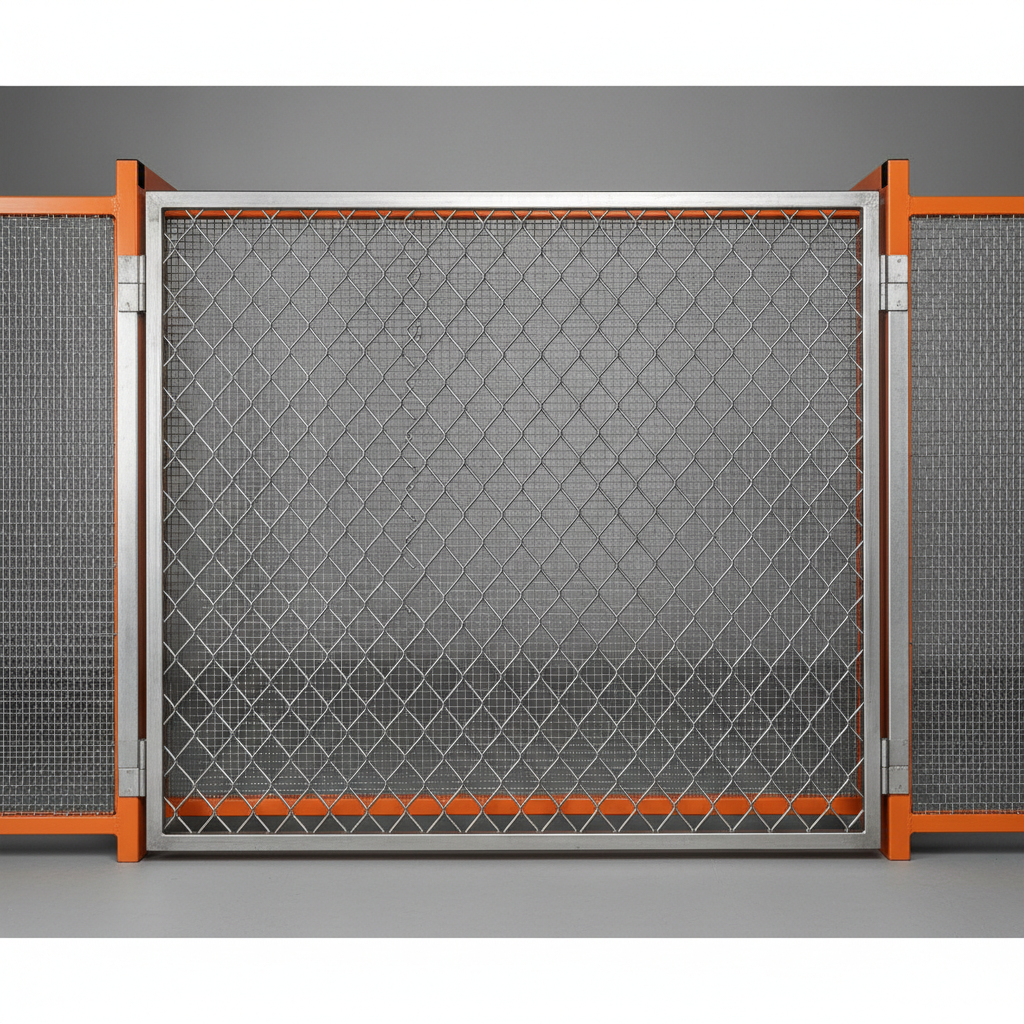
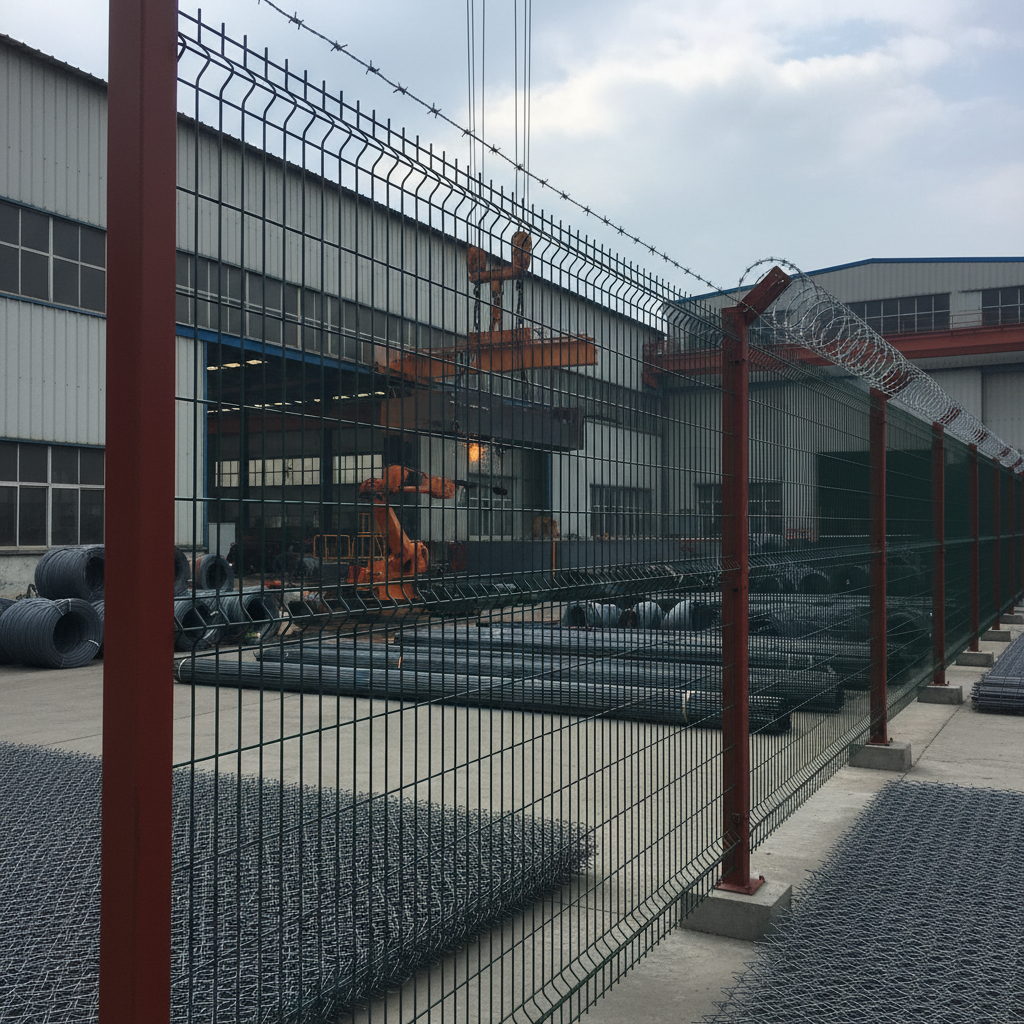
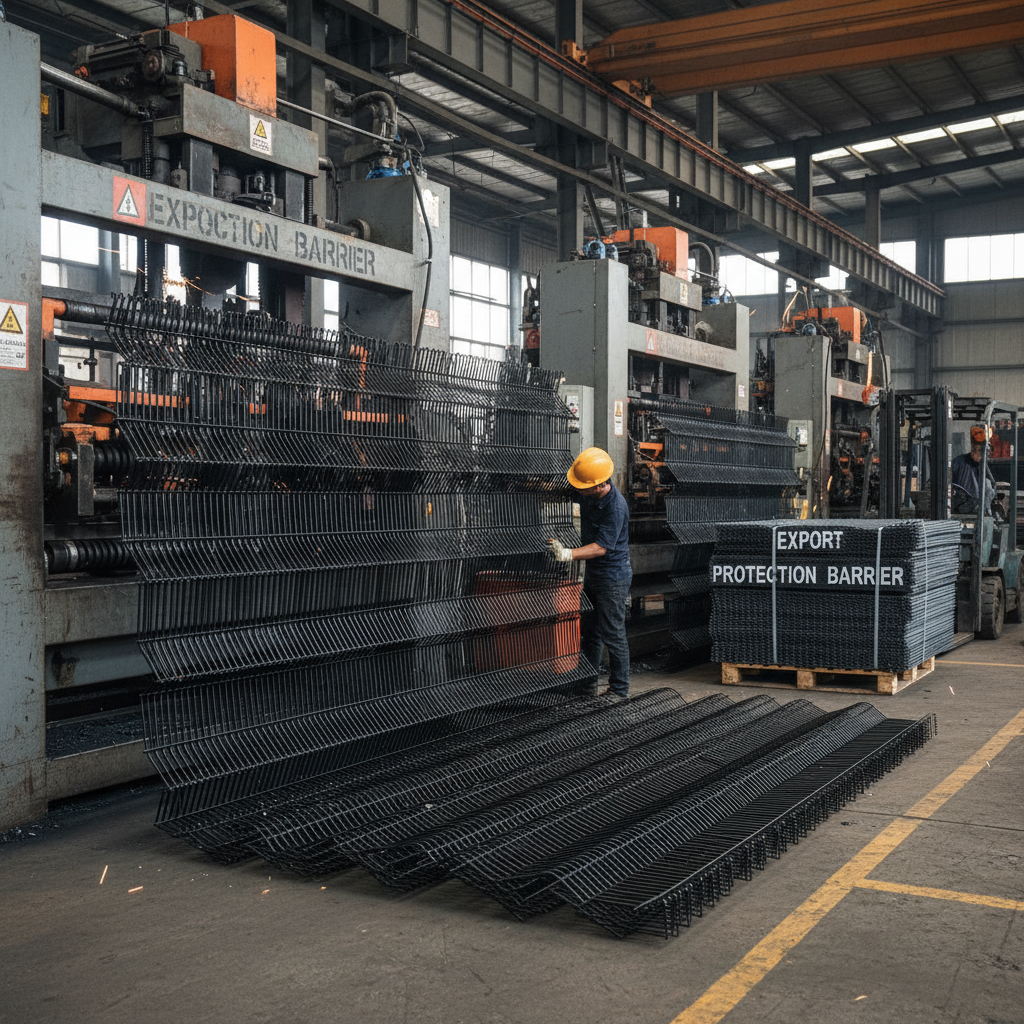
In the modern industrial landscape, the demand for robust security and structural stability has led to the widespread adoption of hard wire mesh fencing and high-strength steel grating solutions. These systems are not merely barriers but engineered components designed to withstand extreme pressure, harsh environmental conditions, and rigorous daily use, ensuring safety in both municipal and industrial settings.
Understanding the technical nuances of these metal structures—from the hot-dip galvanization process to the pressure welding of carbon steel—is essential for engineers and procurement managers globally. By integrating strength with functionality, these products address critical needs in drainage, platform stability, and perimeter security, reducing long-term maintenance costs.
Whether utilized as heavy-duty drainage covers or secure institutional boundaries, the application of hard wire mesh fencing and steel grates provides a balance of ventilation, light transmission, and uncompromising durability. This comprehensive guide explores the technical specifications and global utility of these essential metal fabrications.
Global Relevance of Hard Wire Mesh Fencing Systems
On a global scale, the infrastructure sector relies heavily on standardized metal solutions to maintain safety and operational efficiency. According to international industrial standards (such as ISO), the integration of galvanized carbon steel in structural components significantly reduces the failure rate of drainage and walkway systems in high-traffic municipal areas.
The challenge often lies in finding materials that offer high load-bearing capacity without excessive weight. hard wire mesh fencing and steel grating systems solve this by utilizing a square grid design, which optimizes the strength-to-weight ratio, thereby reducing the cost of supporting structures and overall investment.
Defining the Technical Standards of Hard Wire Mesh Fencing
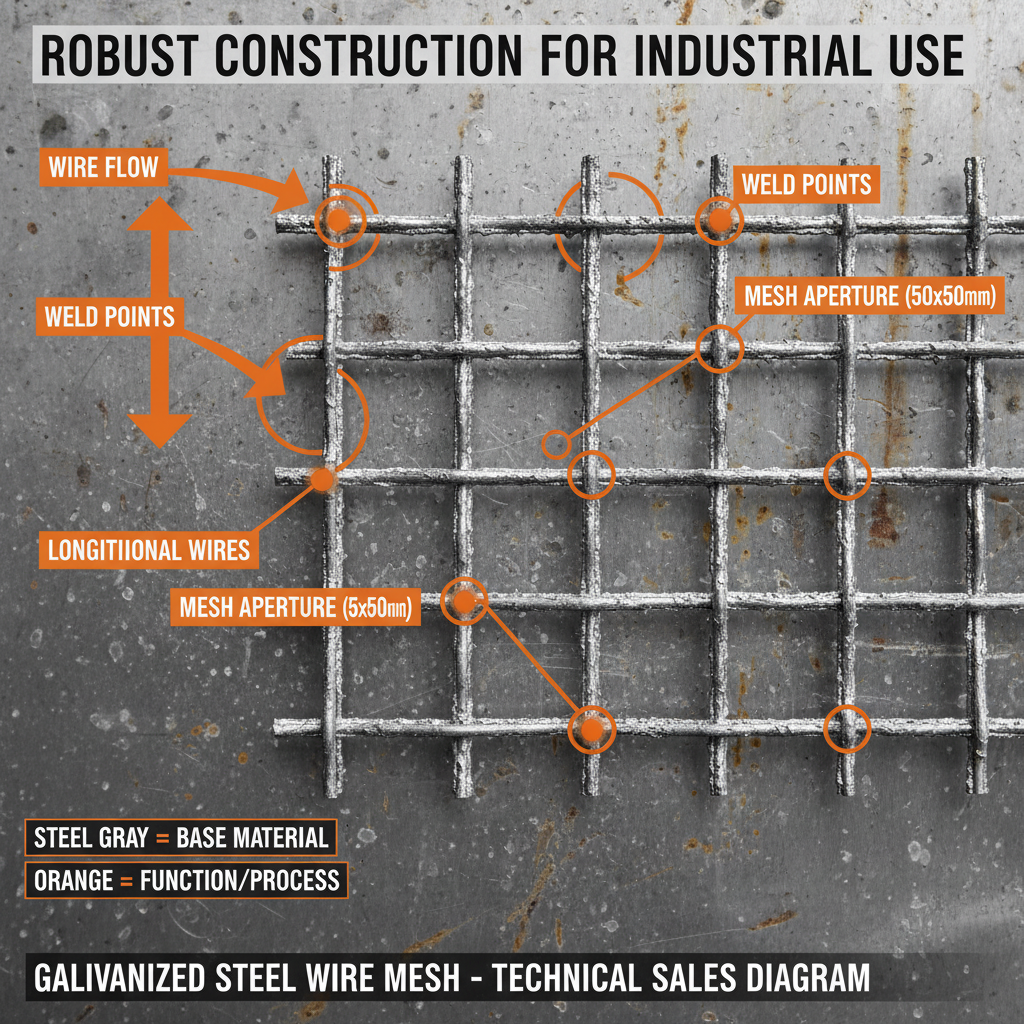
In technical terms, hard wire mesh fencing and industrial steel grates are defined as steel products where flat steel is cross-arranged at specific intervals and welded into a square grid using pressure welding machines or manual precision welding. This structure ensures that the load is distributed evenly across the mesh, preventing deformation under heavy pressure.
These systems are fundamentally linked to modern humanitarian and industrial needs by providing secure, non-slip surfaces for pedestrian traffic and heavy machinery. The ability to customize the hole shape—whether square or long—allows these products to be adapted for specific drainage or ventilation requirements in diverse climates.
The primary materials used include galvanized carbon steel (Q235), hot-dip galvanized steel, and composite stainless steel. These materials are chosen specifically for their ability to resist oxidation and withstand the corrosive effects of rain, snow, and chemical exposure, which is critical for long-term installation.
Core Components and Material Engineering
The durability of hard wire mesh fencing and steel grates begins with the hot-dip galvanization process. This surface treatment creates a protective zinc layer that prevents oxidation and corrosion, ensuring that the structural integrity remains intact even in saline or chemically aggressive environments.
Material efficiency is a cornerstone of this engineering approach. By utilizing a grid structure, the system provides the most material-saving method under identical load conditions. This reduction in raw material usage translates directly into lower costs for the supporting structure and a shortened construction period.
Furthermore, the use of twisted square steel for crossbars enhances the anti-skid properties of the mesh. This is a critical safety feature for industrial platforms and ladder steps, ensuring that workers can operate safely in wet or oily conditions without the risk of slipping.
Practical Factors Driving Performance Efficiency
The efficiency of hard wire mesh fencing is measured by its ease of installation and its ability to withstand environmental stressors. Because the products are pre-treated and standardly designed, they can be fixed with bolt clamps or welded to pre-installed supports, often requiring only a single person for installation.
Moreover, the lightweight structure facilitates easy hoisting and positioning in high-altitude tower platforms or railway bridge sideways. The open-grid design also reduces wind resistance during strong storms, significantly lowering the risk of wind-induced damage compared to solid metal plates.
Performance Comparison of Hard Wire Mesh Fencing Variants
Global Industrial Applications and Use Cases
The versatility of hard wire mesh fencing and steel grates allows them to be deployed across a vast array of sectors. In the petrochemical and chemical industries, they are indispensable for industrial platforms and passage floors where ventilation and explosion-proof properties are mandatory for safety.
In urban municipal construction, these products are widely used as drainage ditch covers and manhole covers, ensuring that water flows freely while maintaining a secure surface for vehicles and pedestrians. Additionally, they are utilized in the construction of sports grounds, schools, and garden villas as decorative yet secure fencing and guardrails.
Long-Term Value and Sustainability Benefits
Investing in hard wire mesh fencing provides substantial long-term economic value. The primary driver is the reduction in maintenance; because the materials are hot-dip galvanized and resistant to debris accumulation (rain, ice, and dust), they do not require frequent cleaning or costly anti-corrosion treatments.
From a sustainability perspective, the material-saving nature of the square grid design reduces the overall carbon footprint associated with steel production and transportation. By requiring less supporting structure, the environmental impact of the entire construction project is minimized.
Moreover, the durability of these systems ensures a long lifecycle, reducing the need for replacement and waste. This reliability fosters trust in critical infrastructure, providing safety and dignity to the workers and citizens who rely on these platforms and barriers every day.
Future Innovations in Metal Mesh Fabrication
The future of hard wire mesh fencing is moving toward smarter material science and automated fabrication. We are seeing a shift toward hybrid composite coatings that offer even higher resistance to extreme chemical corrosion, which is vital for the evolving needs of the shipbuilding and power station industries.
Digital transformation is also playing a role, with the implementation of precision CNC pressure welding that allows for complex, custom-shaped meshes to be produced with zero margin of error. This allows for the creation of specialized mesh for unique architectural requirements or high-security institutional fences.
As the world moves toward "green" construction, the focus is shifting toward using recycled steel for hard wire mesh fencing without compromising load-bearing capacity. This integration of circular economy principles ensures that industrial growth does not come at the expense of environmental health.
Analysis of Fabrication Methods and Application Suitability
|
Fabrication Method
|
Material Used
|
Primary Benefit
|
Ideal Application
|
| Pressure Welding |
Galvanized Q235 |
High Structural Strength |
Industrial Platforms |
| Twisted Pattern Welding |
Carbon Steel |
Superior Anti-Slip |
Ladder Pedals |
| Flat Iron Insertion |
Stainless Steel |
Maximum Corrosion Resistance |
Chemical Plants |
| Round Steel Perforation |
Hot-dip Galvanized |
Optimized Ventilation |
Drainage Ditch Covers |
| Custom Shaping |
Composite Steel |
Design Flexibility |
Architectural Fencing |
| Manual Precision Weld |
Carbon Steel |
Cost-Effective Small Scale |
Garden Villa Guardrails |
FAQS
For coastal environments, hot-dip galvanized steel or stainless steel is highly recommended. The hot-dip process creates a thick zinc layer that acts as a sacrificial anode, protecting the underlying steel from salty air and moisture. Stainless steel offers the highest level of natural corrosion resistance, making it ideal for areas with extreme salt spray exposure.
The anti-skid property is primarily achieved by using twisted square steel for the crossbars. The twisted pattern creates a textured surface that increases friction between the foot (or tire) and the metal. This prevents slippage even when the surface is covered in water, oil, or ice, making it essential for industrial safety platforms.
Yes, these systems are designed for rapid deployment. They can be installed via bolt clamps or by welding them to pre-installed supports. Since the products are standardized and pre-fabricated at the factory, they require minimal on-site processing, allowing a single operator to complete the installation quickly and efficiently.
Absolutely. While square holes are the standard, the hole shape can be adjusted to long holes or other customized dimensions based on the specific needs of the environment. Furthermore, the overall mesh can be cut and welded into special-shaped grids to fit non-standard drainage ditches or unique architectural boundaries.
Unlike solid metal plates, the open-grid nature of hard wire mesh fencing allows air to pass through the structure. This significantly reduces the surface area exposed to wind pressure, which prevents the structure from acting like a sail during high winds, thereby reducing the load on the supports and preventing structural failure.
One of the primary advantages of hot-dip galvanized steel is that it is virtually maintenance-free. The zinc coating prevents rust and oxidation for many years. Because the grid design prevents the accumulation of rain, snow, and dust, there is no need for regular cleaning or chemical treatments, leading to significant long-term cost savings.
Conclusion
In summary, hard wire mesh fencing and steel grating systems represent a pinnacle of industrial efficiency, combining high load-bearing capacity with exceptional durability. Through the use of hot-dip galvanization and precision pressure welding, these products provide a sustainable solution for everything from municipal drainage and industrial walkways to high-security perimeter fencing. By prioritizing material saving and ease of installation, these systems reduce both the initial investment and the long-term operational costs for infrastructure projects.
Looking forward, the integration of recycled materials and automated fabrication will further enhance the sustainability and precision of these metal solutions. For organizations seeking to balance safety, cost, and longevity, investing in high-quality, standardized steel mesh is a strategic necessity. We encourage you to evaluate your structural needs and implement these robust solutions to ensure a safer, more efficient environment. Visit our website for more information: www.fencingwiremesh.com