
Understanding Chain Link Installation Cost: A Complete Budgeting Guide
Planning a security perimeter for your home or business requires a clear understanding of the financial investment involved. When calculating the chain link installation cost, it is important to realize that prices can vary significantly based on material grade, height, and regional labor rates. Whether you are securing a residential backyard or a large industrial warehouse, knowing the price drivers helps you avoid hidden expenses. In this guide, we will break down the costs of materials, professional labor, and the factors that influence the final quote to ensure you get the best value for your investment.
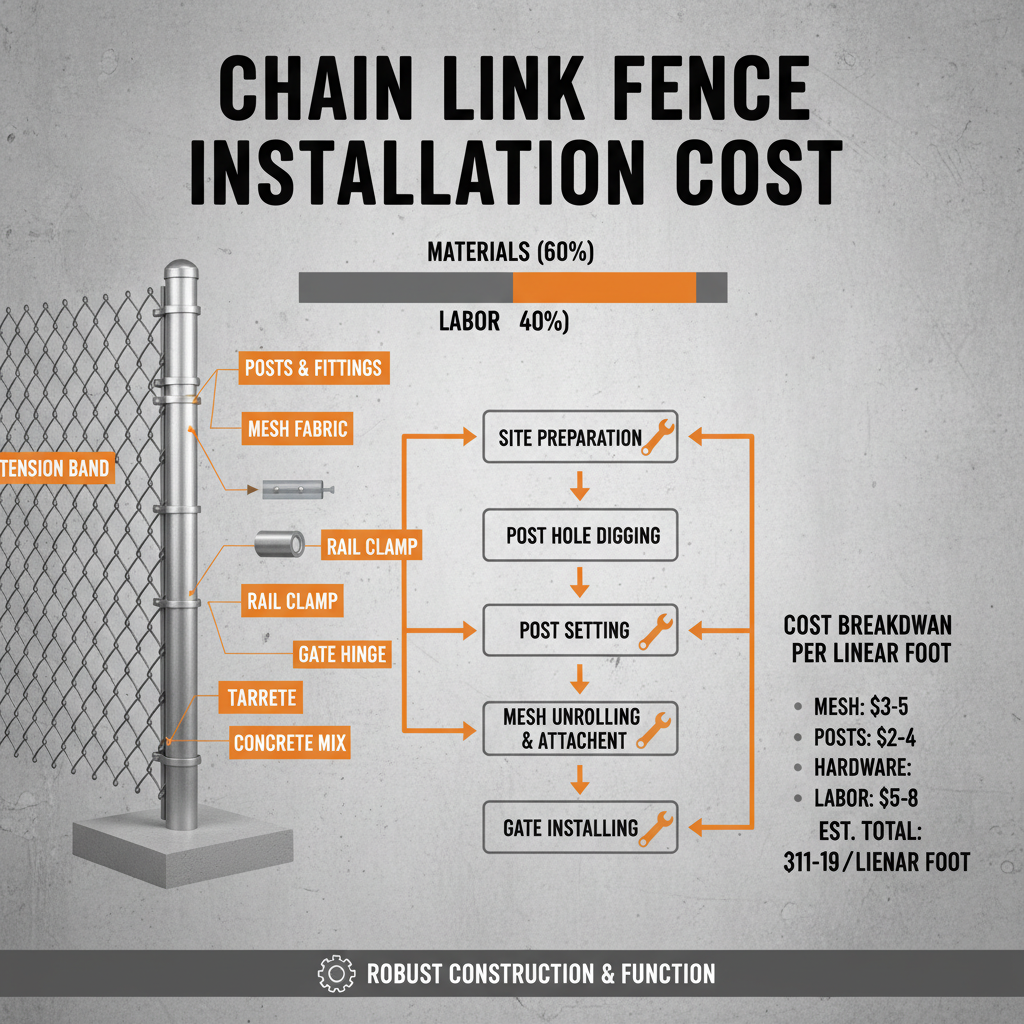
Breakdown of Material Costs for Chain Link Fencing
The primary component of the chain link installation cost is the material itself. Most projects utilize galvanized steel, though vinyl-coated options are popular for aesthetic reasons. The gauge of the wire (the thickness) plays a massive role; a lower gauge number means a thicker, stronger wire, which naturally increases the price. Additionally, the height of the fence—ranging typically from 4 to 8 feet—will dictate the amount of fabric and the length of the posts required. Investing in high-quality materials from a reputable supplier ensures the longevity of your fence and reduces future maintenance costs.
Pro Tip: Choosing galvanized steel offers the best balance between cost and durability, while PVC coating provides an extra layer of corrosion resistance for coastal areas.
Average Chain Link Installation Cost by Project Size
Estimating costs per linear foot is the most accurate way to budget. Labor costs typically encompass site preparation, digging post holes, setting concrete, and stretching the mesh. Depending on the complexity of the terrain—such as rocky soil or steep slopes—the chain link installation cost may fluctuate. Below is a generalized data table showing the estimated cost ranges for different project scales.
Factors That Influence Chain Link Installation Cost
Several variables can push your chain link installation cost higher or lower. First is the terrain; installing a fence on a flat lawn is much cheaper than installing one on a rocky hillside where specialized drilling equipment is required. Second is the gate requirement; adding a walk-through gate or a large sliding driveway gate adds significant material and labor costs. Finally, permits and legal requirements vary by city, and some municipalities require a professional survey before installation, which adds to the upfront expense.
Comparing DIY vs. Professional Installation Cost
Many homeowners consider a DIY approach to lower the chain link installation cost. While DIY saves on labor, it requires a significant investment in tools (post hole diggers, tension bars, fence stretchers) and a great deal of time. Professional installation, conversely, ensures that the fence is perfectly tensioned and the posts are plumb, which prevents sagging over time. For most commercial projects, professional installation is the only viable option due to the scale and safety requirements involved.
Comparison Summary:
• DIY: Lower immediate cost, higher risk of sagging, requires tool purchase.
• Professional: Higher upfront cost, guaranteed structural integrity, faster completion.
Technical Specifications for High-Value Installations
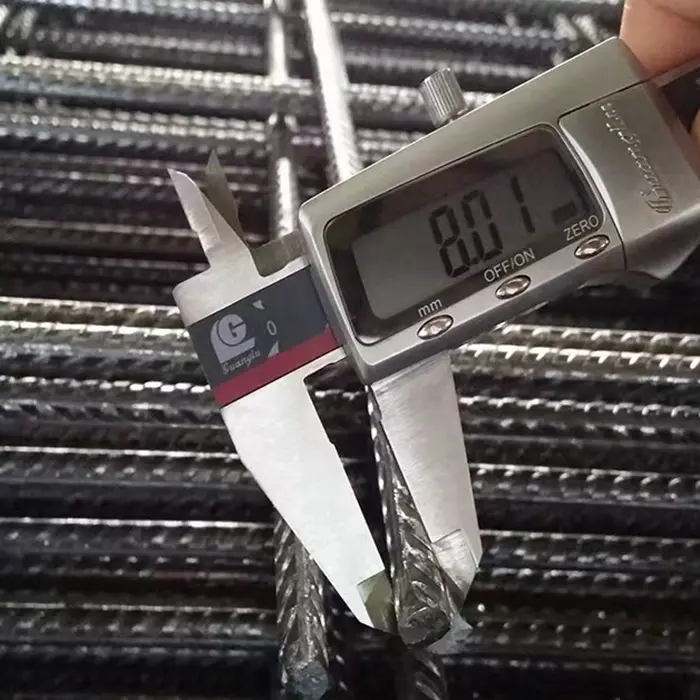
To ensure you are getting the best quality for your budget, it is essential to check the technical specifications. The longevity of your fence is tied to the coating thickness and the post diameter. Heavy-duty industrial fences use thicker posts to withstand wind loads and potential impacts. Reviewing these specifications allows you to compare quotes from different contractors accurately, ensuring that a lower chain link installation cost doesn't mean you are receiving inferior materials.
Maintenance and Long-term Value
While the initial chain link installation cost is a primary concern, you must consider the total cost of ownership. Chain link is one of the most cost-effective fencing options because it requires very little maintenance. Occasional checks for tension and the application of rust-inhibiting paint on damaged sections can keep the fence functional for decades. By choosing high-quality mesh and professional installation, you maximize the ROI of your security perimeter.
Conclusion: Balancing Quality and Chain Link Installation Cost
Securing your property doesn't have to be an overwhelming financial burden. By understanding that the chain link installation cost is a combination of material grade, project scale, and labor expertise, you can make an informed decision. Whether you opt for a budget-friendly residential setup or a heavy-duty commercial barrier, prioritizing quality materials will save you money in the long run. Contact a professional today to get a customized quote tailored to your specific terrain and security needs.
Frequently Asked Questions (FAQs)
How much does chain link fencing cost per linear foot?
On average, the cost for chain link fencing typically ranges from $15 to $35 per linear foot when including both materials and professional installation. For basic residential projects with standard galvanized steel, you may be on the lower end of that spectrum. However, for high-security commercial installations using 9-gauge wire and vinyl coating, the price can exceed $40 per linear foot. Factors such as the height of the fence and the soil conditions during post-setting will also influence this per-foot price.
Can I reduce the installation cost by doing it myself?
Yes, DIY installation can significantly reduce the labor portion of the cost, which often accounts for 40% to 60% of the total bill. However, you must account for the cost of renting or buying specialized equipment like a power auger and a fence stretcher. Additionally, DIY projects carry the risk of improper tensioning, which can lead to sagging fences that require costly repairs later. If you have the tools and the time, DIY is a great way to save, but for commercial sites, professional installation is highly recommended.
Does vinyl coating increase the total cost?
Generally, yes. Vinyl-coated chain link fencing is more expensive than standard galvanized steel, typically adding 20% to 40% to the material cost. The added expense is due to the extra manufacturing step of applying the PVC layer. However, this investment is often worth it because the coating provides superior protection against rust and corrosion, which is especially critical in salty coastal environments. It also offers a more polished, residential look that blends better with landscaping.
How long does a professional installation typically take?
For a standard residential backyard (approx. 200 linear feet), a professional crew can usually complete the installation in 2 to 4 days. The process involves marking the perimeter, digging and setting the posts (which require time to cure in concrete), and then stretching the fabric. Commercial projects take longer depending on the total footage and the number of gates. Using high-quality materials from fencingwiremesh.com ensures that the installation process is smooth and the materials fit precisely, reducing labor time.