
Understanding Link Fence Cost: A Complete Budgeting Guide
Planning a security perimeter for your home or business requires a clear understanding of the financial investment involved. When analyzing the link fence cost, it is essential to look beyond the price per foot of the mesh itself. Various factors, including material coatings, gauge thickness, and installation complexity, play a pivotal role in the final invoice. Whether you are securing a residential backyard, a commercial warehouse, or an industrial site, getting an accurate cost estimate ensures your project remains on track without unexpected expenses. In this guide, we will break down the pricing variables to help you make an informed decision.
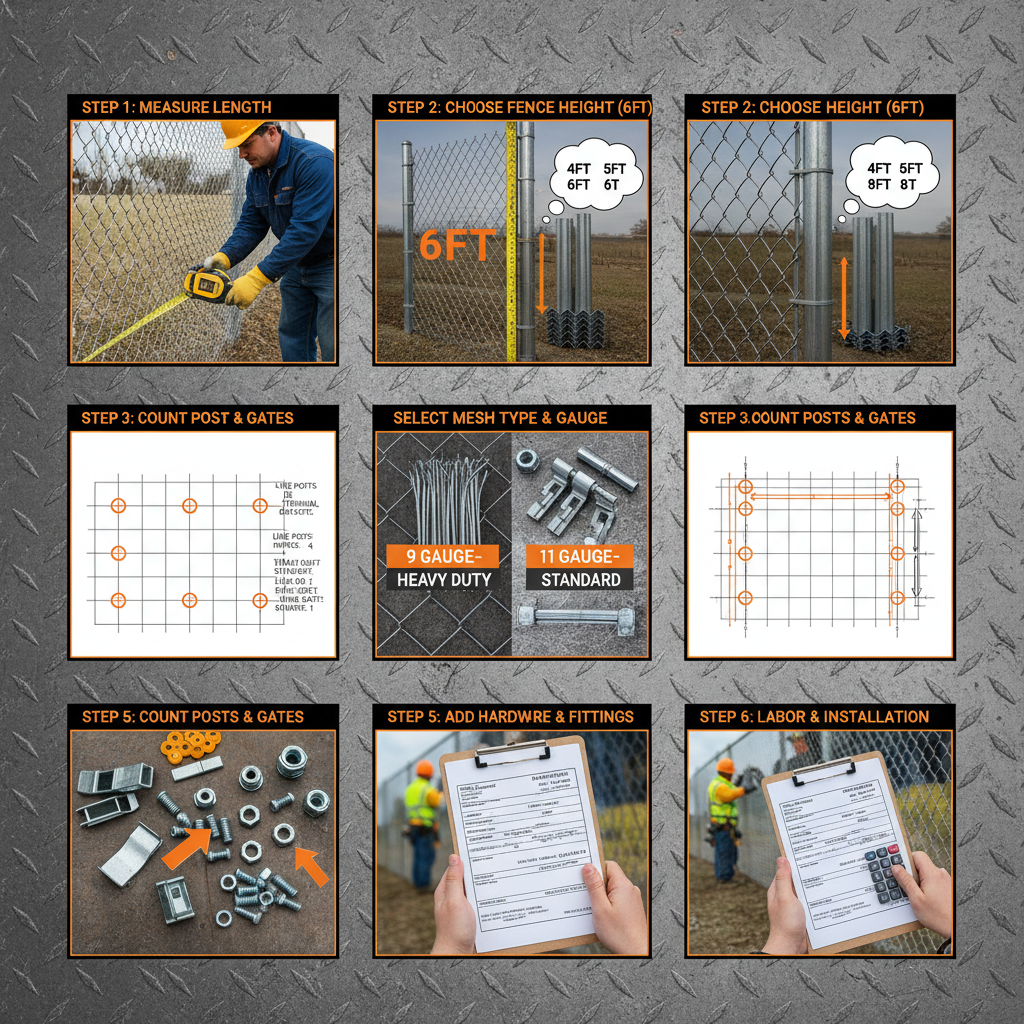
Primary Factors Influencing Link Fence Cost
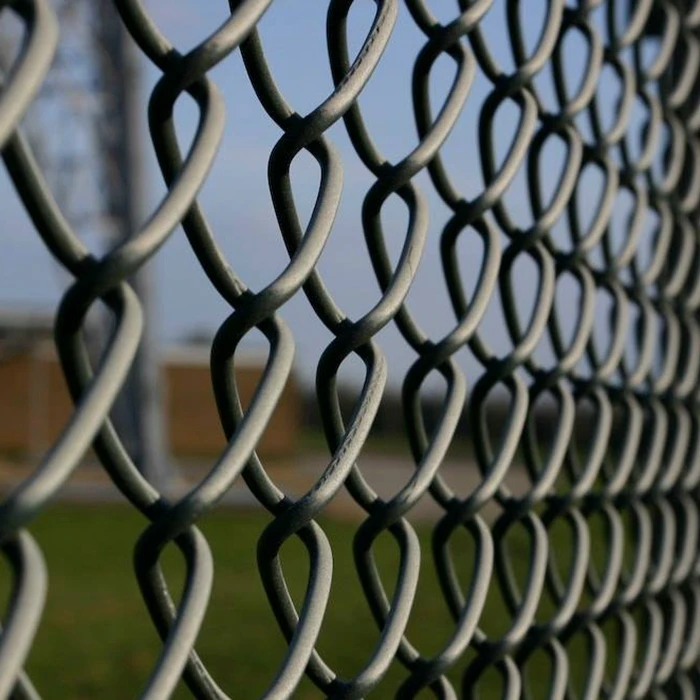
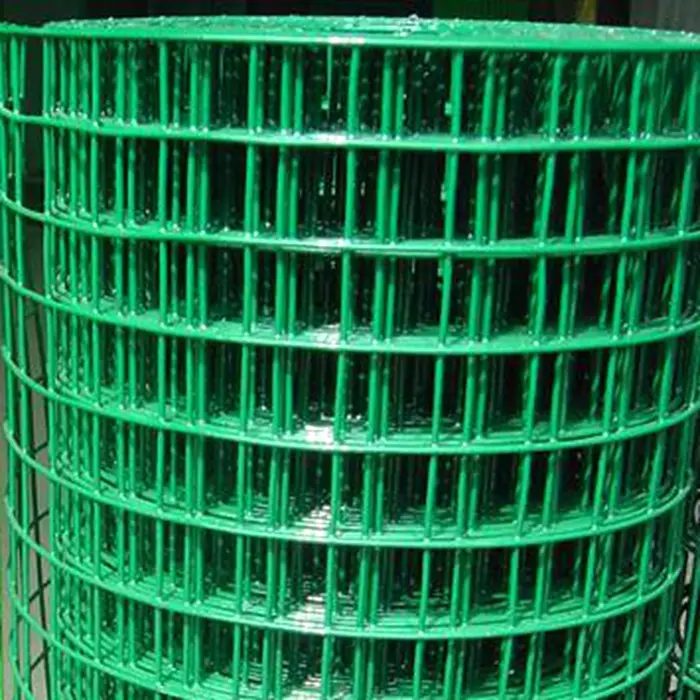
The total expenditure for a chain-link system is rarely a flat rate. The first major variable is the material choice. Galvanized steel is the industry standard for rust prevention, but PVC-coated options—while more expensive—offer better aesthetics and additional corrosion resistance in coastal areas. Secondly, the fence height significantly impacts the price; a 4-foot residential fence requires far less material and lighter posts than an 8-foot high-security industrial barrier. Additionally, the mesh gauge (wire thickness) determines the strength of the fence; a lower gauge number indicates a thicker, more expensive wire that provides superior security.
Pro Tip: To optimize your link fence cost, consider the environment. For dry inland areas, standard galvanized steel is sufficient, whereas salt-heavy coastal air necessitates PVC coating to avoid premature rust.
Material Comparison and Estimated Pricing
To get a better grasp of the market, it is helpful to compare different types of wire mesh and their relative costs. While labor costs vary by region, the material component remains relatively stable based on global steel prices. Below is a detailed breakdown of how different specifications affect the overall budget. Investing in a higher grade of material may increase the initial link fence cost, but it often reduces long-term maintenance and replacement expenses.
Labor and Installation Impact on Cost
Materials are only one half of the equation. The labor involved in installing a chain-link fence can sometimes equal or exceed the material price. Professional installation involves site surveying, digging post holes, pouring concrete footings, and stretching the mesh to a tight, professional tension. The link fence cost increases if the terrain is rocky or uneven, as this requires more effort to set the posts. Furthermore, the addition of gates—whether swinging or sliding—adds significant labor and hardware costs due to the precision required for alignment and hinge installation.
Comparing DIY vs. Professional Link Fence Cost
Many property owners wonder if they can save money by installing the fence themselves. While DIY reduces the labor cost, it increases the risk of structural failure. A professionally installed fence is stretched correctly, ensuring it doesn't sag over time. When calculating the link fence cost for a DIY project, you must account for the rental of specialized tools like post-hole diggers and fence stretchers. For small residential patches, DIY is viable; however, for large-scale commercial perimeters, professional installation is a necessity for security compliance.
Cost-Saving Tips:
• Buy materials in bulk directly from manufacturers.
• Choose standard heights (4ft, 6ft) to avoid custom manufacturing surcharges.
• Clear the perimeter of debris before the installation crew arrives to reduce labor hours.
Technical Specifications for Budget Planning
To provide an accurate quote, suppliers need specific technical details. The gauge of the wire (e.g., 9 gauge vs 11 gauge) and the diamond opening size (e.g., 2" x 2") directly influence the weight of the steel used, and thus the price. Below is a specification table that can help you communicate your needs to a supplier to get a precise link fence cost estimate.
Conclusion: Finding the Balance in Your Link Fence Cost
Calculating the link fence cost is a balancing act between security needs and budget constraints. While the cheapest option may seem attractive initially, selecting high-quality materials and professional installation often results in a lower "total cost of ownership" by eliminating frequent repairs. By focusing on the right gauge, coating, and height for your specific environment, you can secure your property efficiently. For those seeking a durable, long-lasting solution, sourcing high-grade wire mesh is the first step toward a successful project.
Frequently Asked Questions (FAQs)
Does PVC coating significantly increase the link fence cost?
Yes, PVC coating typically adds a premium to the material cost, often increasing the price by 20% to 50% compared to standard galvanized steel. However, this investment is highly recommended for properties near the ocean or in high-humidity regions. The PVC layer acts as a shield, preventing the underlying steel from reacting with moisture and oxygen, which prevents rust and extends the fence's lifespan by several years, ultimately saving you money on maintenance.
How does the gauge of the wire affect the total price?
In the fencing world, the gauge refers to the thickness of the wire. A lower gauge number (e.g., 9 gauge) means the wire is thicker and heavier than a higher gauge number (e.g., 11 gauge). Because thicker wire requires more raw steel per linear foot, it increases the link fence cost. Heavier gauges are essential for industrial sites or areas prone to impact, as they are much harder to cut or bend.
Which is more cost-effective in the long run: DIY or professional installation?
For very small, non-critical projects, DIY is more cost-effective in the short term. However, for any fence intended for security or long-term boundary marking, professional installation is more cost-effective. Professionals ensure the tension is correct and the posts are set deep enough to withstand wind and pressure. A poorly installed DIY fence often sags or leans within two years, requiring expensive corrections or a complete replacement, which outweighs the initial labor savings.
Can I reduce the link fence cost by choosing a different height?
Absolutely. Height is one of the most direct drivers of cost. A 4-foot fence uses significantly less wire mesh and requires shorter, thinner posts than a 6-foot or 8-foot fence. If your primary goal is simply to keep pets in or mark a boundary rather than providing high-level security, opting for a lower height can substantially reduce your overall budget. Always check local zoning laws to ensure your chosen height is permitted in your area.