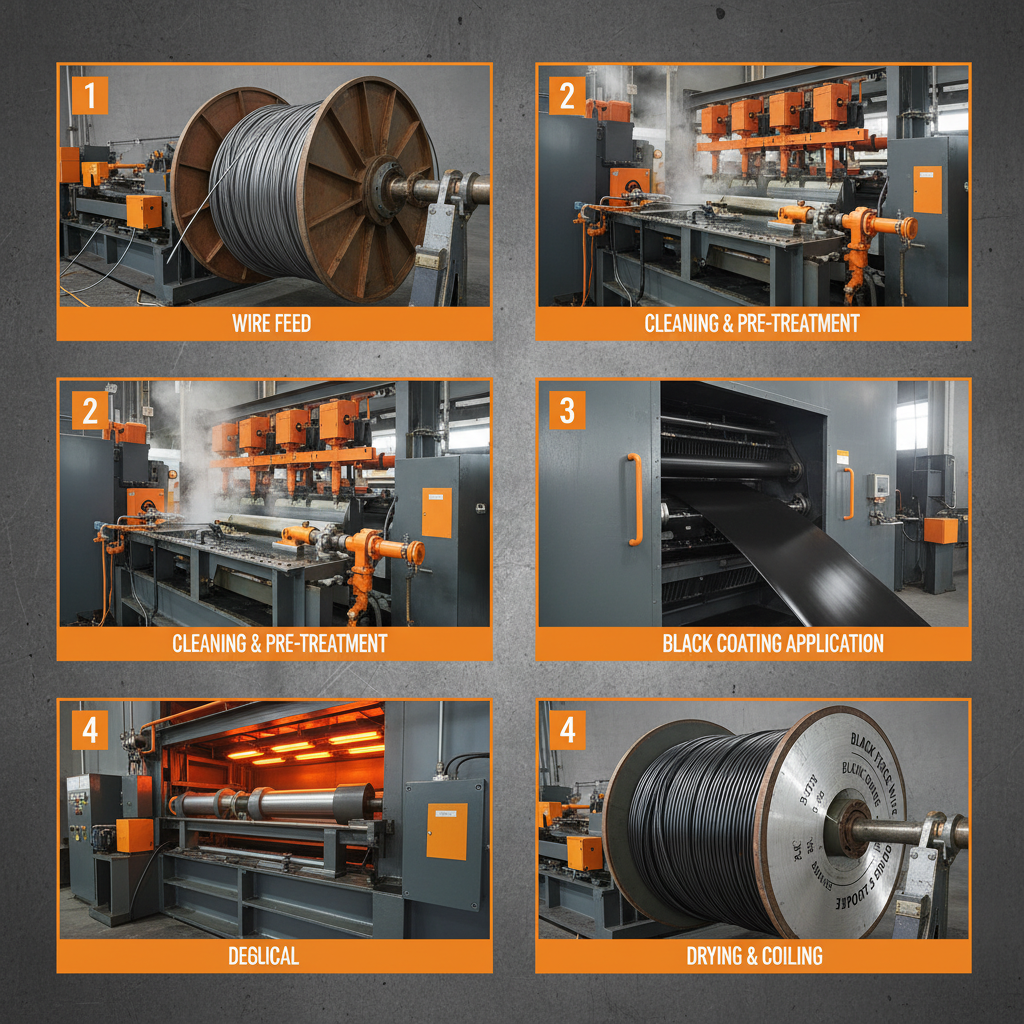
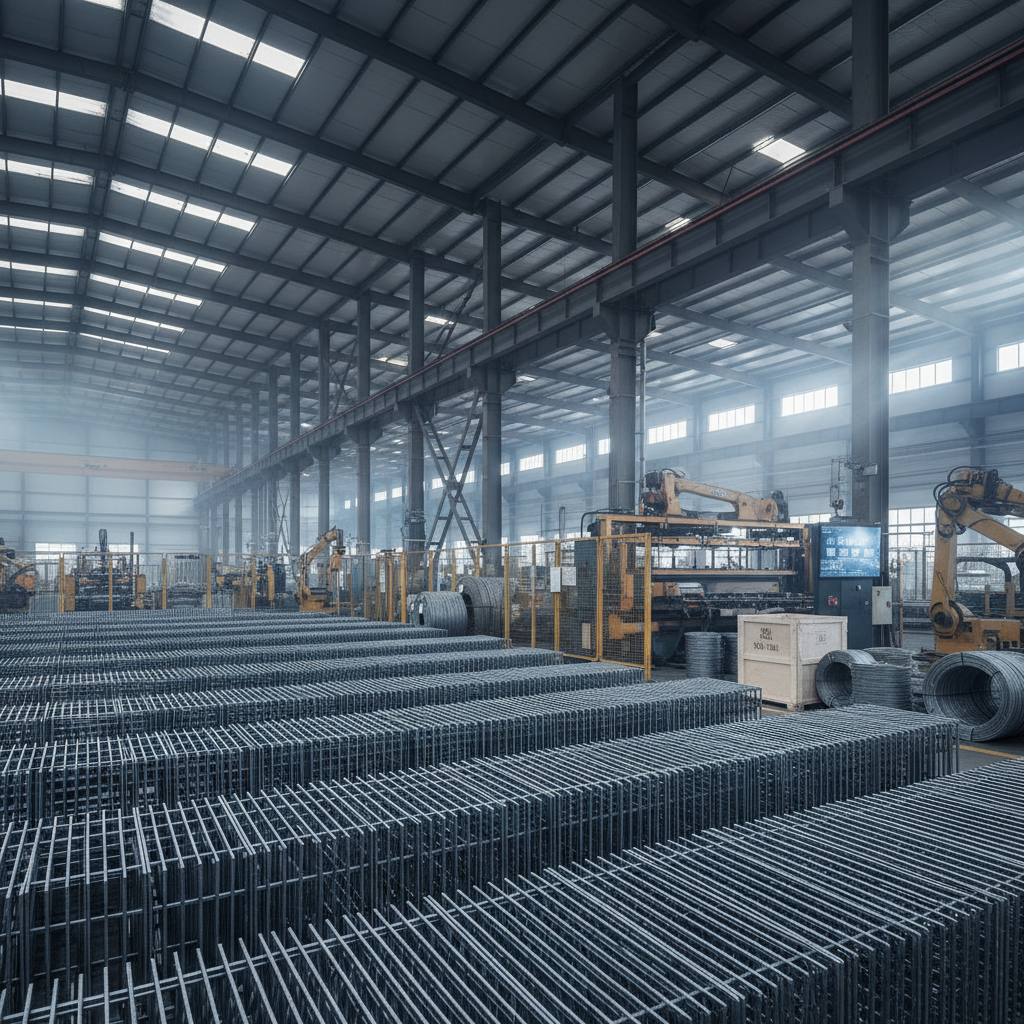
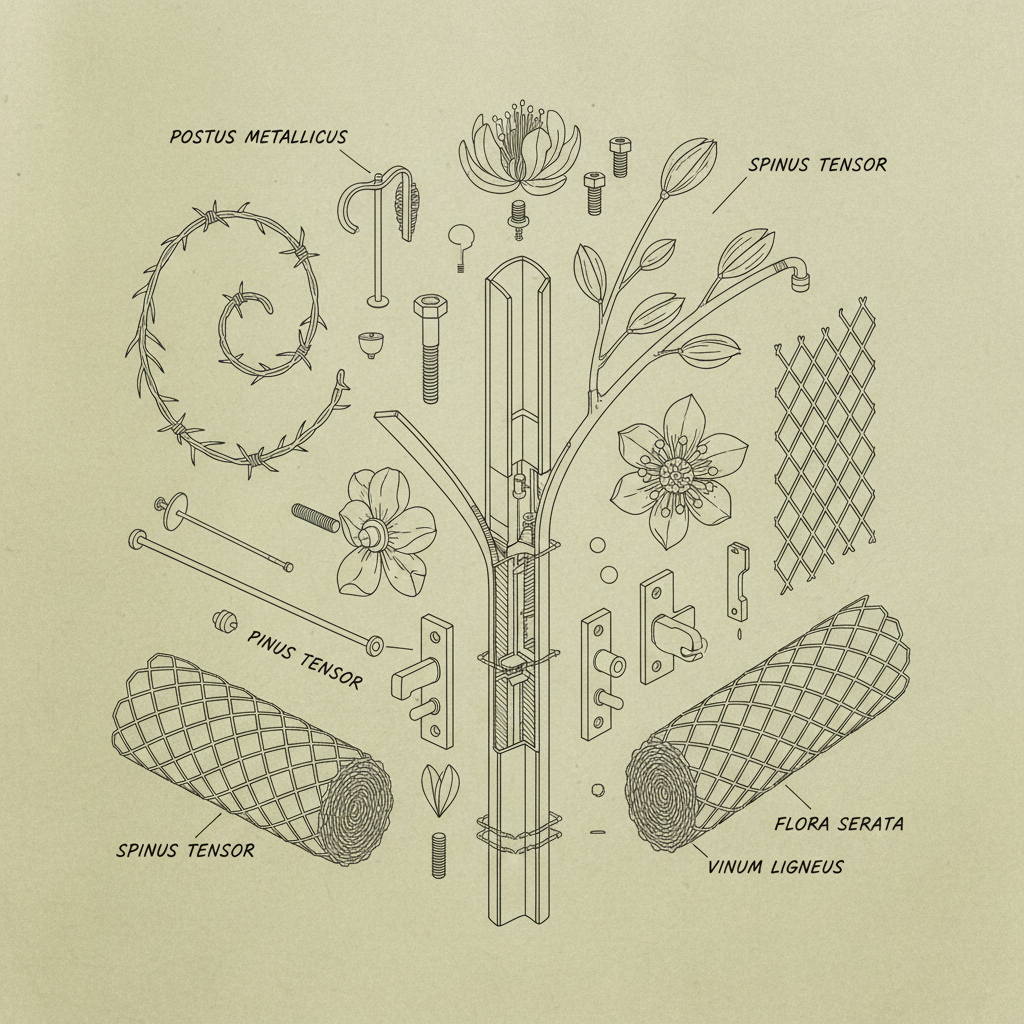
Honestly, things are moving fast in the metal fence world. Everyone's talking about powder coating now, trying to get that super durable finish. It's not new, but the tech’s improved a lot. Used to be a real mess, getting consistent coverage… Now they've got systems that practically do it for you. But believe me, even with all the fancy equipment, it's still about the prep work. Rust, grease, anything on the metal – that powder won't stick, and you'll be redoing it.
Have you noticed how everyone's chasing higher tensile strength? It sounds great on paper, stronger fences, right? But it often leads to materials that are just… harder to work with. Bending, welding, cutting – suddenly everything takes twice as long. That extra strength doesn’t mean much if the guys on site are fighting the material all day. We spend too much time designing for the lab and not enough thinking about the real world.
And speaking of the real world, let's talk materials. We mostly work with galvanized steel, obviously. There’s a smell to it, you know? Kind of metallic, slightly… oily. I encountered a batch at the Changzhou factory last time that had a weird zinc bloom. Looked like someone had dusted it with white powder. It wasn’t structurally unsound, but the customer wasn’t happy. Then there’s aluminum. Lightweight, doesn’t rust, but it dents easily. And the welding… forget about it. Requires a completely different skillset.
What’s Trending and Common Pitfalls
Strangely enough, a lot of designers focus on aesthetics before functionality. We had a project last year where they wanted this incredibly ornate design, all swirling patterns and fancy curves. Looked beautiful in the rendering. But trying to actually manufacture it… nightmare. The welding was a disaster. The powder coating wouldn’t cover evenly. It was a mess. Ended up simplifying the design considerably. It's always the same: form follows function, or you're just creating headaches.
Another pitfall? Underestimating the importance of proper surface preparation. I can’t stress this enough. Galvanizing is great, but if the steel isn't properly cleaned before galvanizing, you're going to have problems down the line. Bubbles, flaking… it all comes back to haunt you.
Material Deep Dive: Steel, Aluminum, and Beyond
We mostly deal in steel, of course, but we've been doing more with stainless steel lately. It's pricey, no question, but for coastal applications, it's worth the investment. Doesn’t corrode like a regular steel, which saves a lot of trouble in the long run. You can tell the good stuff just by looking at it. It’s got a certain… sheen. And it feels heavier, more substantial.
Aluminum is gaining traction for residential fences. Lighter weight, easier to install. But it’s also softer, as I said. You have to be careful with the gauge. Go too thin, and it'll bend like butter. And the welds? Forget about getting a clean, strong weld on aluminum without a skilled welder and the right equipment.
Then there’s composite fencing. I’m not a huge fan, to be honest. It looks good initially, but it doesn't hold up to abuse. We had a project where they used composite fencing around a construction site. It was demolished within a month.
Real-World Testing: Beyond the Lab
Lab testing is fine, but it doesn’t tell you everything. We do pull tests, bend tests, corrosion resistance tests… all that stuff. But the real test is seeing how the fence holds up on a busy construction site, or in a high-wind area. We’ve started sending prototypes to our clients to test in their actual environments. It's messy, it's uncontrolled, but it gives us far more valuable data.
Anyway, I think the best test is to just… hit it with a hammer. Seriously. How much force does it take to dent it? To break a weld? It sounds crude, but it tells you a lot. We often do that on site, much to the amusement of the workers.
We also pay close attention to feedback from installers. They're the ones who are actually working with the material every day. They’ll tell you if something is difficult to work with, if the holes aren't lined up properly, if the finish is chipping. Their insights are invaluable.
How Customers Actually Use Our Fences
You’d be surprised how often fences get used for things they’re not intended for. People lean on them, hang things on them, even try to climb over them. We've had clients use our fences as temporary supports for scaffolding. Not recommended, but it happens.
We designed a security fence for a data center a while back. They specifically asked for a fence that was difficult to climb. We went with a very tight mesh and added barbed wire at the top. Turns out, they were more concerned about preventing unauthorized vehicles from driving onto the property. They ended up installing bollards as well. It’s a good reminder to always ask about the real security concerns.
The Good, The Bad, and Customization Options
The biggest advantage of metal fencing is its durability. A properly installed and maintained metal fence can last for decades. And it’s relatively low maintenance. A coat of paint every few years, and you're good to go. The disadvantages? Cost, obviously. Metal fencing is generally more expensive than wood or vinyl. And it can be susceptible to rust if it’s not properly protected.
We offer a lot of customization options. Different heights, colors, mesh sizes, post spacing… We can even laser cut custom designs into the panels. Last month, that small boss in Shenzhen who makes smart home devices insisted on changing the interface to , and the result was a complete nightmare with the powder coating adhesion. It just didn’t work, and cost him a fortune. But that's the beauty of customization—sometimes you learn what doesn't work.
A Customer Story: and Unexpected Problems
Speaking of customization... last month, that small boss in Shenzhen who makes smart home devices insisted on changing the interface to , and the result was a complete nightmare. He wanted a specific, intricate pattern laser cut into the panels. No problem, we've done it before. But then he wanted it powder coated in a custom shade of blue. And that's where things went south. The laser cutting compromised the surface finish, and the powder coating wouldn’t adhere properly. He lost a whole batch of panels. A costly lesson learned.
He was furious, naturally. We ended up re-making the panels with a simpler design and a different powder coating process. It cost us a lot of money, but we learned a valuable lesson: sometimes, less is more. And always test new processes thoroughly before committing to a large production run.
He ultimately got his fence, and it looked great. But it was a painful process. I’m still having nightmares about that shade of blue.
The Bottom Line: It's About the Tightened Screw
Ultimately, there’s a lot of engineering, a lot of material science, and a lot of marketing hype that goes into metal fencing. We can talk about tensile strength, corrosion resistance, and powder coating all day long. But at the end of the day, it all comes down to how well the fence is installed.
A perfectly engineered fence is useless if it’s not properly secured to the posts. And a slightly flawed fence that's installed correctly will outperform a perfect fence that isn’t. It's about the attention to detail, the quality of the workmanship, and the worker knowing his job. Ultimately, whether this thing works or not, the worker will know the moment he tightens the screw.