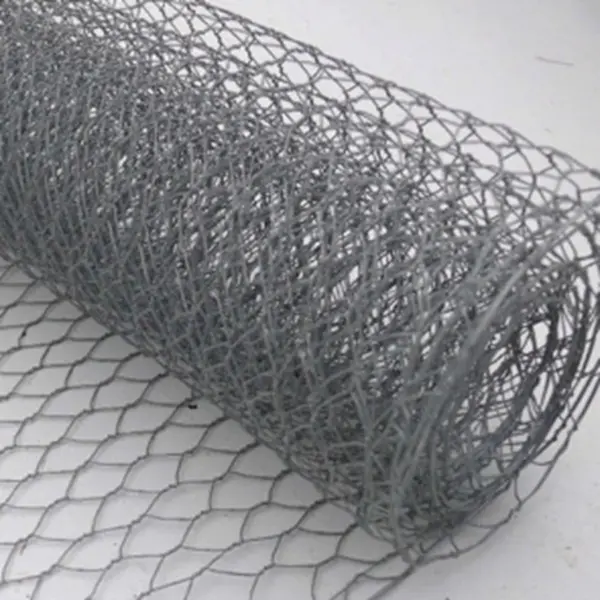

Attractive Chain Link Fence: Security, Aesthetics, and Practicality
When considering perimeter security and property delineation, an attractive chain link fence offers a compelling blend of functionality, affordability, and surprisingly versatile aesthetics. Far from the purely utilitarian image often associated with chain link, modern options provide a range of finishes and installation techniques to create a secure and visually appealing boundary. This article explores the benefits, variations, and considerations when choosing a chain link fence, helping you determine if it's the right solution for your needs. We'll cover everything from material selection to installation tips to help you make an informed decision.
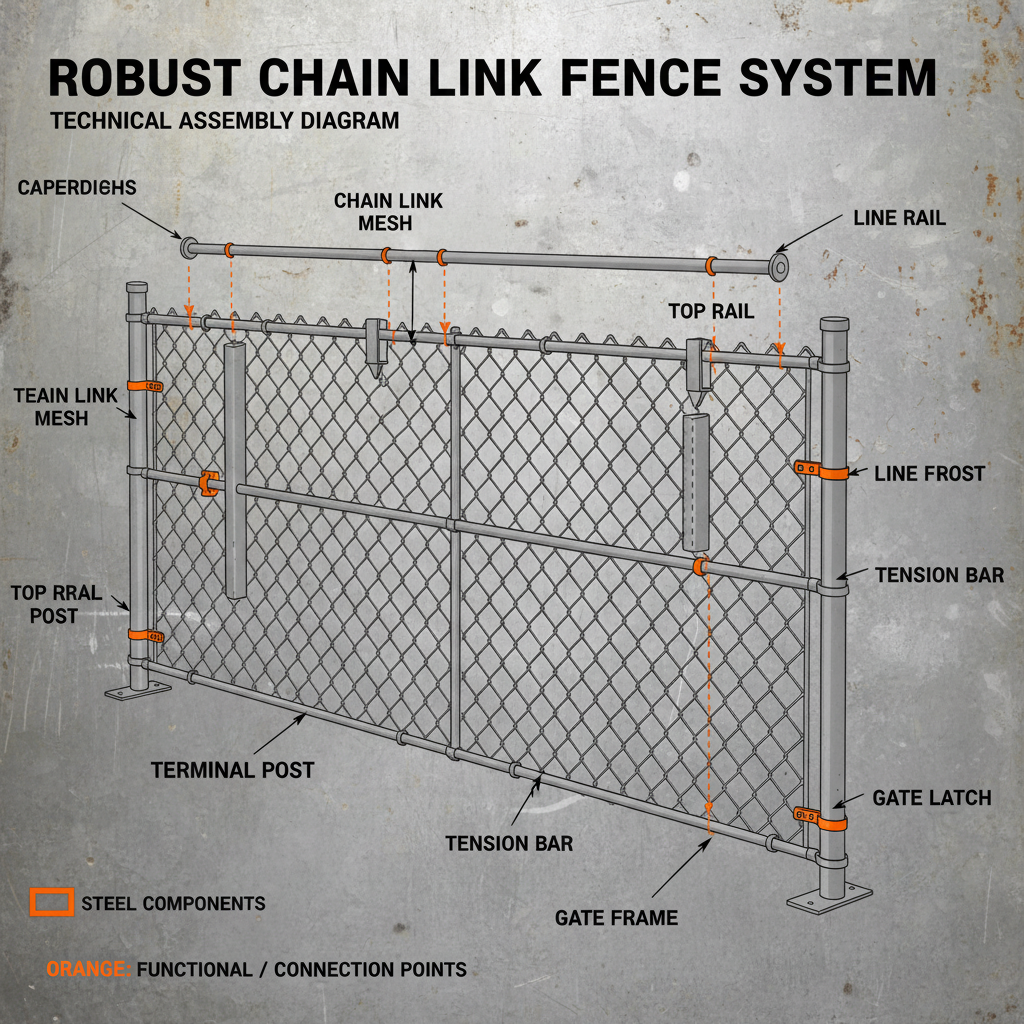
Understanding the Benefits of Chain Link Fencing
Chain link fencing remains a popular choice for a variety of applications due to its numerous advantages. First and foremost, it's incredibly cost-effective compared to materials like wood, wrought iron, or vinyl. Secondly, it provides excellent security, making it difficult for intruders to climb. Chain link is also remarkably durable and long-lasting, resisting rust and corrosion, especially when properly galvanized or coated. Beyond these core benefits, it requires minimal maintenance, offers good visibility (important for security and monitoring), and can be easily adapted to various terrains. It’s a solution that balances practicality with affordability, making it ideal for residential, commercial, and industrial applications.
Key Advantages: Cost-effective, high security, durable, low maintenance, good visibility, adaptable to various terrains.
Creating an Attractive Chain Link Fence: Beyond the Basics
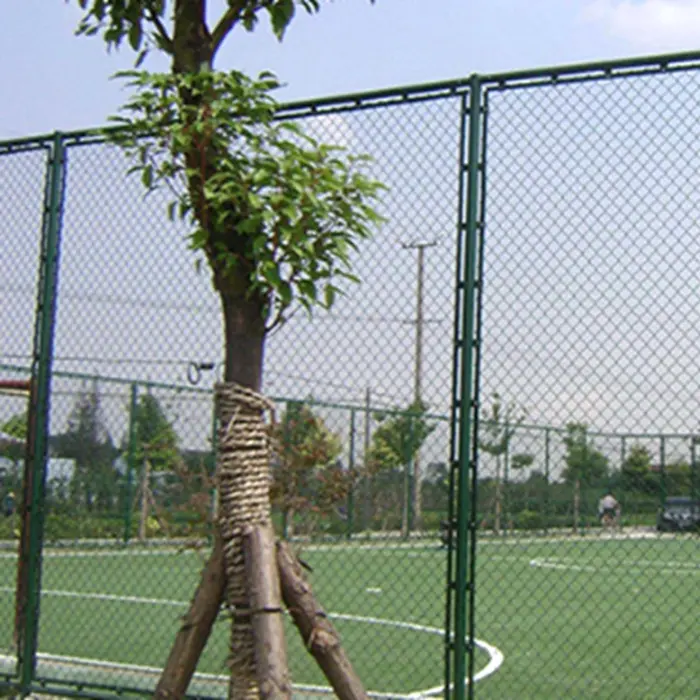
The perception of chain link as purely functional is quickly changing. Numerous techniques can enhance its aesthetic appeal. One popular option is vinyl coating, available in a wide range of colors – black, green, white, and more – to seamlessly blend with surrounding landscaping. Another method is to add privacy slats woven between the links, creating a visually solid barrier while maintaining airflow. Strategic landscaping, such as planting climbing vines or shrubs along the fence line, can also soften the appearance and add natural beauty. Consider the post caps and hardware too - choosing decorative options elevates the overall look. You can find a great selection of styles and materials at Fencing Wire Mesh.
Aesthetic Enhancement Options:
• Vinyl Coating (various colors)
• Privacy Slats
• Landscaping (vines, shrubs)
• Decorative Post Caps & Hardware
Chain Link Gauge and Height: Choosing the Right Specifications
Selecting the appropriate gauge and height of your chain link fence is crucial for both security and longevity. Gauge refers to the thickness of the wire; lower numbers indicate thicker, more robust wire. Common gauges are 9, 11, and 12.5. For residential applications, a 14-gauge fence might suffice, while 9-gauge is preferred for high-security commercial or industrial settings. Height also plays a significant role, with 4ft, 5ft, and 6ft being the most popular options. Higher fences offer greater security but may be subject to local height restrictions. Here’s a comparative overview:
Installation Considerations for a Long-Lasting Fence
Proper installation is paramount to ensure the longevity and effectiveness of your chain link fence. Post spacing should generally be no more than 8-10 feet apart for optimal support. Posts should be set in concrete footings deep enough to withstand frost heave and wind loads. Ensure the tension wire is properly installed and tightened to prevent sagging. Consider hiring a professional fence installer, especially for larger or more complex projects. Quality materials and proper installation are an investment that will pay off in years of reliable security and aesthetic appeal. You can find helpful guides and resources on installation techniques at Fencing Wire Mesh.
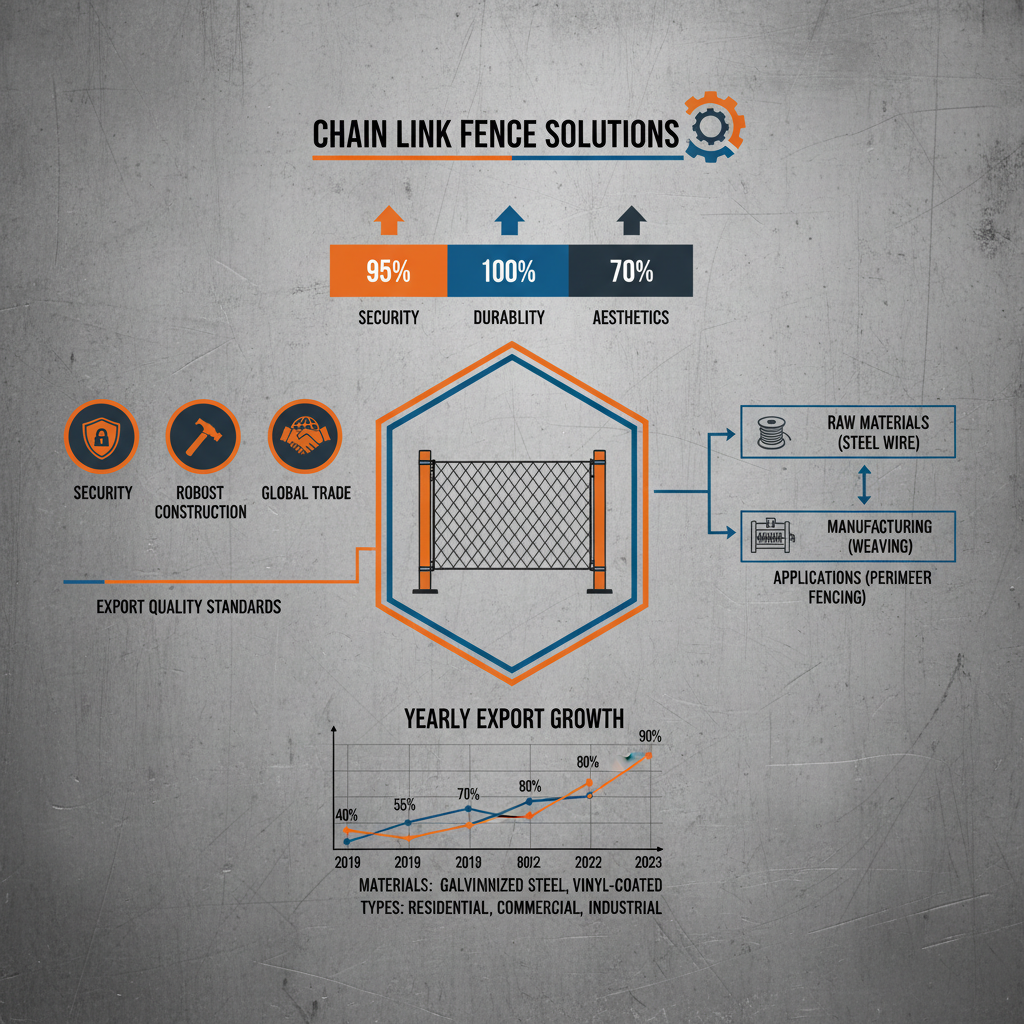
Conclusion: A Versatile and Reliable Fencing Solution
An attractive chain link fence is a versatile and reliable solution for a wide range of fencing needs. By understanding the available options for gauge, height, finishes, and installation techniques, you can create a secure, durable, and visually appealing boundary that enhances your property’s value and provides peace of mind. Don't underestimate the power of customization – with the right choices, chain link can be far more than just a functional barrier.
Frequently Asked Questions (FAQs)
What is the typical lifespan of a chain link fence?
With proper installation and maintenance, a chain link fence can easily last 15-20 years, or even longer. The lifespan is heavily influenced by the quality of the materials used, the coating applied (galvanization or vinyl), and the environmental conditions. Coastal areas with high salt content may require more frequent maintenance. Regularly inspect the fence for signs of rust or damage and address them promptly to extend its life. Replacing damaged sections quickly prevents further deterioration.
How much does a chain link fence typically cost?
The cost of a chain link fence varies widely depending on the height, gauge of the wire, length of the fence, coating type (galvanized, vinyl), and installation costs. As a general estimate, you can expect to pay between $10 and $30 per linear foot, including materials and labor. Vinyl-coated chain link is typically more expensive than galvanized. Professional installation will add to the overall cost, but it ensures proper installation and longevity.
Can chain link fences be used for pet containment?
Yes, chain link fences are commonly used for pet containment. However, consider the size of your pet. Smaller dogs or pets may be able to squeeze through larger mesh openings. For smaller animals, choosing a smaller mesh size (e.g., 2” x 2”) is recommended. Additionally, digging under the fence is a common issue; burying the bottom of the fence a few inches or adding a barrier at the base can prevent escapes.
What maintenance is required for a chain link fence?
Chain link fences require minimal maintenance. Regularly inspect the fence for any signs of rust, damage, or loose tension. Wash the fence with mild soap and water to remove dirt and debris. For galvanized fences, applying a rust-inhibiting coating every few years can prolong its life. Trim any vegetation growing around the fence to prevent damage or concealment.