
Understanding 0.5 mm Wire Mesh: Applications and Benefits
0.5 mm wire mesh is a versatile material finding extensive use across a diverse range of industries. Its relatively fine aperture offers a balance between filtration, screening, and structural support. This article will explore the properties, common applications, and advantages of using 0.5 mm wire mesh, providing a comprehensive overview for buyers and specifiers. From industrial filtration to security screening, understanding the capabilities of this mesh is crucial for effective project planning.
Key Properties of 0.5 mm Wire Mesh
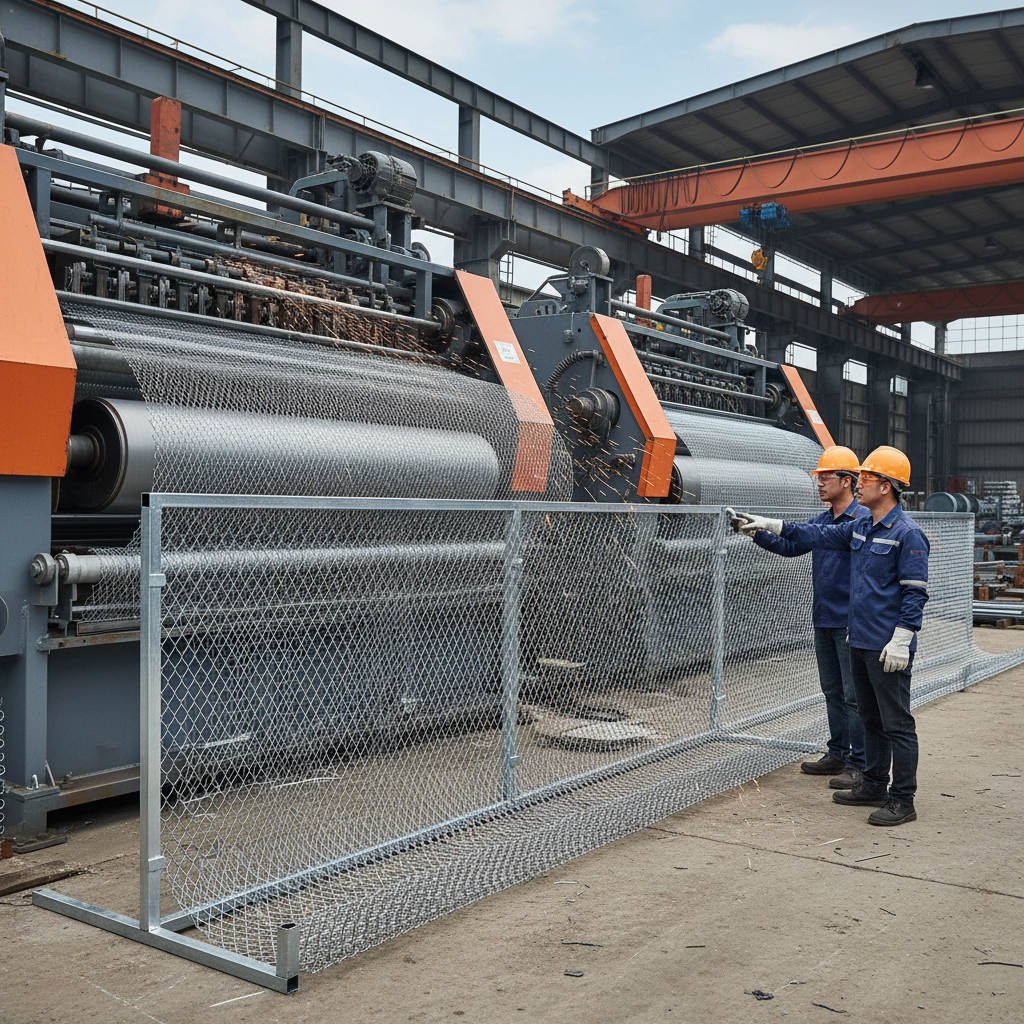
The defining characteristic of 0.5 mm wire mesh is the diameter of the wire used in its construction – 0.5 millimeters. This seemingly small dimension dictates many of its properties. A finer wire gauge generally results in a smoother surface and increased density. Common materials used in manufacturing include stainless steel (304, 316), galvanized steel, and various alloys, each offering different levels of corrosion resistance and strength. The mesh count, specifying the number of openings per inch, further defines its filtration or screening capabilities. The quality of the wire mesh significantly impacts its durability and longevity.
Key Highlights: The 0.5mm wire diameter delivers a balance between strength, flexibility, and filtration capability, making it ideal for a wide range of applications.
Common Applications of 0.5 mm Wire Mesh
0.5 mm wire mesh finds applications in numerous sectors. In filtration, it's used for filtering liquids and gases in various industrial processes. In security, it serves as a robust barrier in screens and cages. The material is popular in laboratories for sieving and particle analysis. It's also used in speaker grills to protect the components while allowing sound to pass through. Other applications include insect screening, ventilation systems, and even as a reinforcing material in composite structures.
Application Benefits:
• Effective Filtration: Removes particulate matter from liquids and gases.
• Robust Security: Provides a strong barrier against intrusion.
• Precise Screening: Separates materials based on particle size.
• Sound Transmission: Allows sound to pass through while protecting internal components.
0.5 mm Wire Mesh: Material Comparison
Selecting the right material for your 0.5 mm wire mesh application is crucial. Stainless steel offers excellent corrosion resistance, making it ideal for harsh environments. Galvanized steel provides a more cost-effective option for less demanding applications. Understanding the strengths and weaknesses of each material is key to choosing the optimal solution. Here’s a comparison:
Factors to Consider When Purchasing 0.5 mm Wire Mesh
Beyond material selection, several factors influence the suitability of 0.5 mm wire mesh for a specific application. Mesh count (aperture size) determines the size of the openings and influences filtration efficiency or screening capabilities. The weave pattern (plain, twill, dutch) affects the mesh's flexibility, strength, and opening shape. Finally, consider the required dimensions, ensuring the mesh can be supplied in the necessary width and length. Reliable suppliers, like Fencing Wire Mesh, offer custom fabrication services to meet specific requirements.
Product Specifications and Available Options
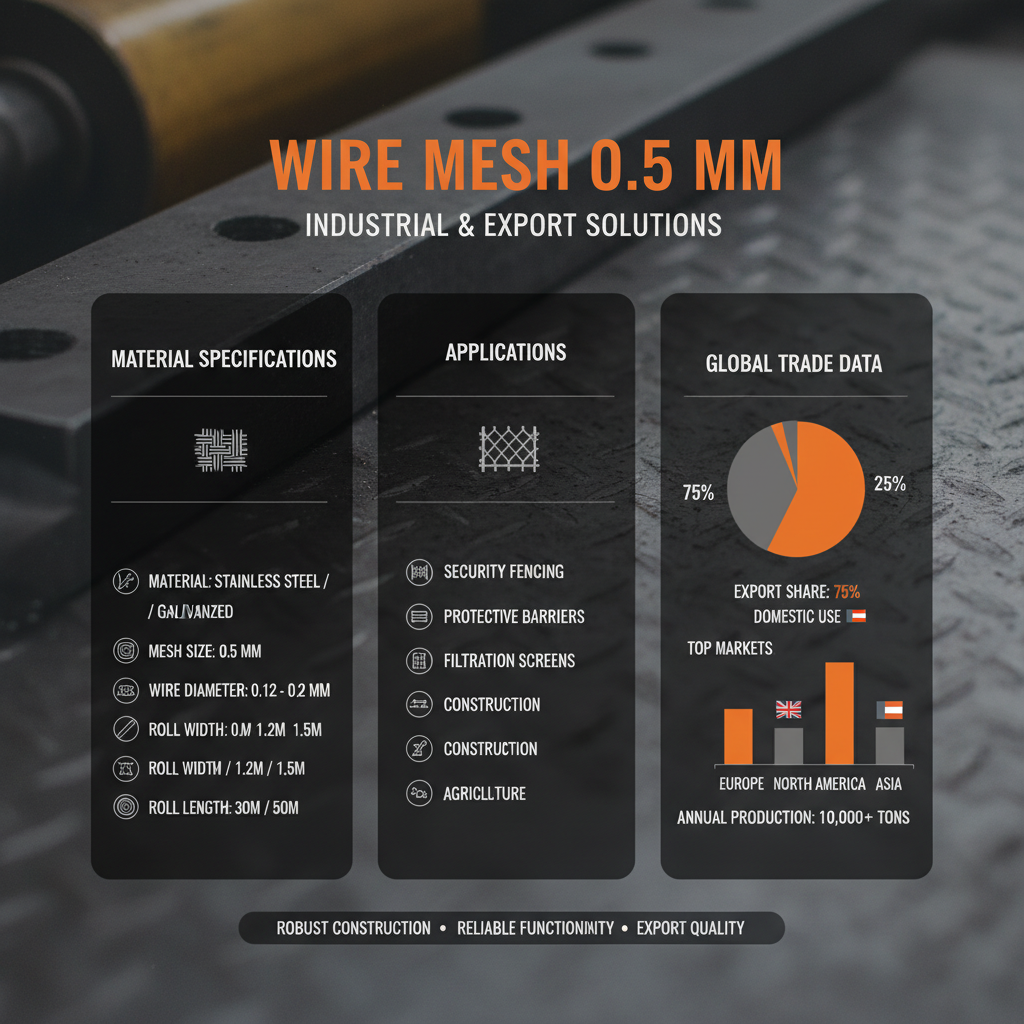
We offer a comprehensive range of 0.5 mm wire mesh products to suit diverse needs. Here are some key specifications:
Conclusion: Choosing the Right 0.5 mm Wire Mesh
Selecting the right 0.5 mm wire mesh requires careful consideration of the application, material, and specifications. Fencing Wire Mesh provides high-quality mesh products and expert guidance to ensure you find the optimal solution for your needs. Investing in the right mesh can improve efficiency, enhance safety, and ensure long-term durability.
Frequently Asked Questions (FAQs)
What is the typical lead time for custom 0.5 mm wire mesh orders?
Lead times for custom orders vary depending on the quantity, material, and weave pattern. Generally, standard orders can be fulfilled within 7-10 business days. More complex orders or those requiring specialized materials may take 2-4 weeks. We strive to provide accurate lead time estimates during the quotation process. Our experienced team at Fencing Wire Mesh works efficiently to minimize delays and ensure timely delivery of your order. We offer expedited services for urgent requirements.
Can 0.5 mm wire mesh be cut to custom sizes?
Yes, 0.5 mm wire mesh can be easily cut to custom sizes using various methods, including shears, wire cutters, or laser cutting. We offer custom cutting services to provide mesh sheets or shapes tailored to your exact specifications. Precise cutting ensures a clean finish and minimizes waste. For larger or more intricate cuts, we recommend professional cutting services for optimal results.
What is the difference between plain weave and twill weave?
Plain weave is the most common weave pattern, characterized by a simple over-under pattern of wires. It offers good stability and a relatively open aperture. Twill weave, on the other hand, features a diagonal pattern, creating a more flexible and drapable mesh. Twill weave also generally offers greater resistance to deformation. The choice between the two depends on the application's specific requirements.
How do I determine the appropriate mesh count for my application?
The appropriate mesh count depends on the size of the particles or objects you need to filter or screen. A higher mesh count means smaller openings, suitable for finer filtration. Conversely, a lower mesh count offers larger openings for coarser materials. If you are unsure, we recommend testing a sample of your material with different mesh counts to determine the optimal size. Our team at Fencing Wire Mesh can provide guidance and assistance in selecting the right mesh count for your specific needs.