
Understanding Steel Wire Fence Options: A Comprehensive Guide
When securing your property, livestock, or crops, a reliable fence is paramount. Steel wire fence offers a durable and cost-effective solution for a wide range of applications. This article will provide an in-depth look at the different types of steel wire fencing, their benefits, installation considerations, and common uses. Choosing the right steel wire fence will provide long-lasting security and peace of mind. We'll explore the variety of options available and help you determine the best fit for your needs.
Types of Steel Wire Fence
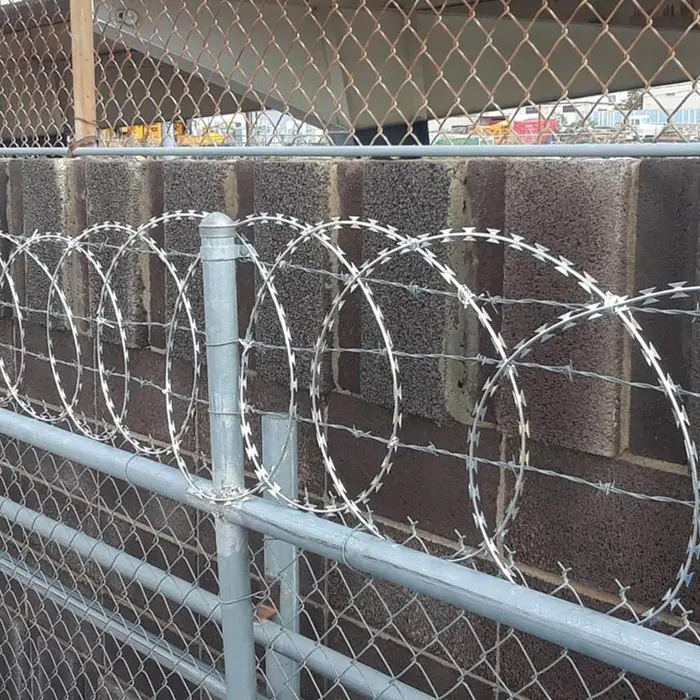
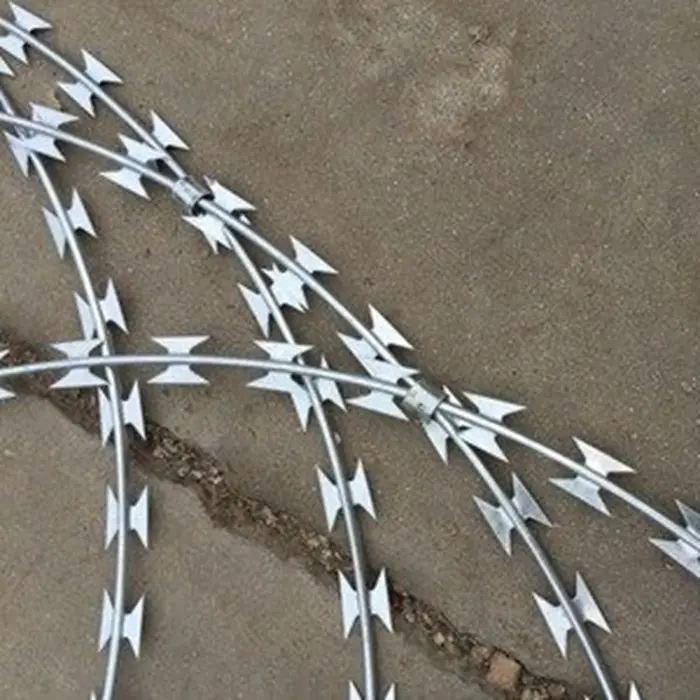
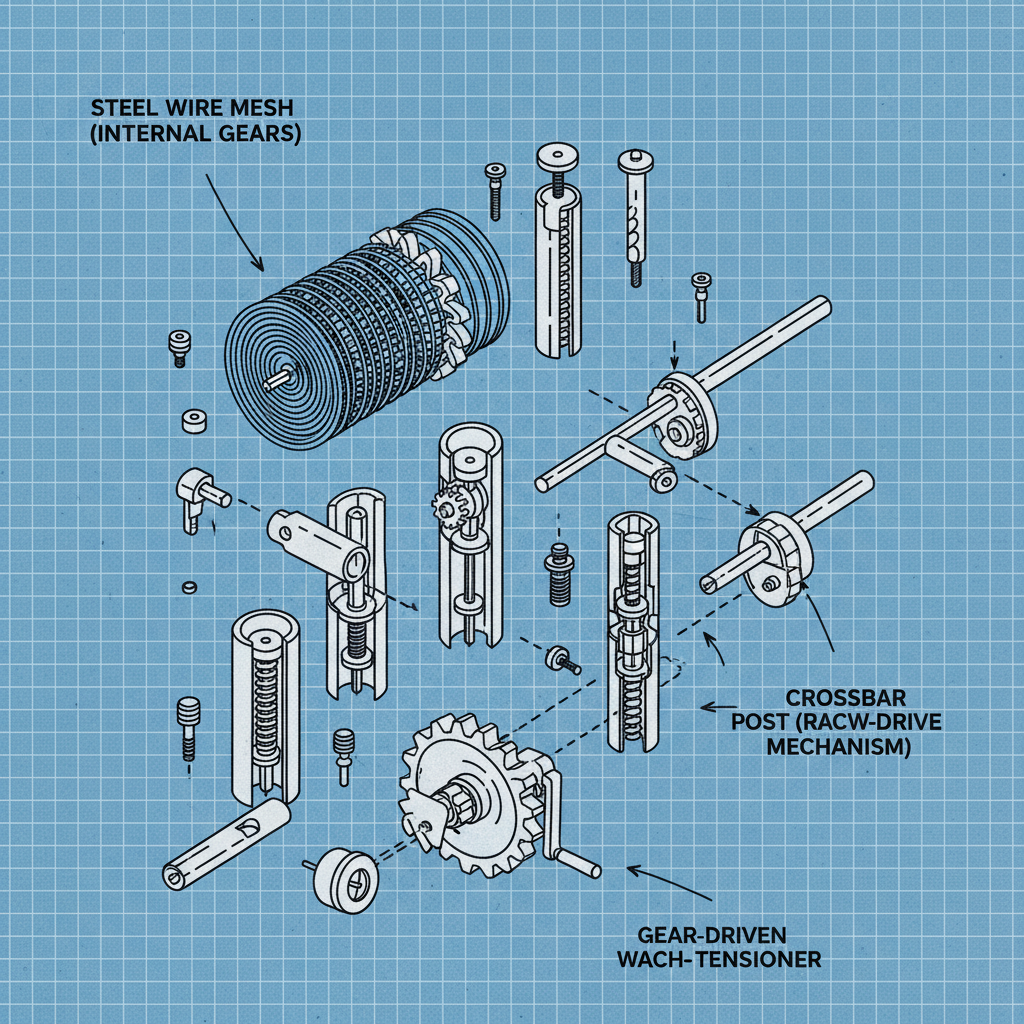
Several types of steel wire fencing cater to different needs. Woven wire fencing, also known as field fence, is a popular choice for agricultural applications, providing excellent containment for livestock. Barbed wire fencing, a classic security option, offers a deterrent to intruders and animals. Chain link fencing provides robust security and is commonly used for industrial and residential boundaries. High-tensile wire fencing is known for its strength and is ideal for large properties or areas requiring significant containment. The specific material grade and coating applied to the wire, such as galvanization or PVC coating, further influence the fence’s durability and resistance to corrosion. You can discover the perfect steel wire fence solution for your requirements at our website.
Key Highlights: Steel wire fencing offers durability, cost-effectiveness, and a range of options to suit diverse needs, from agricultural containment to high-security perimeter control.
Choosing the Right Steel Wire for Your Fence
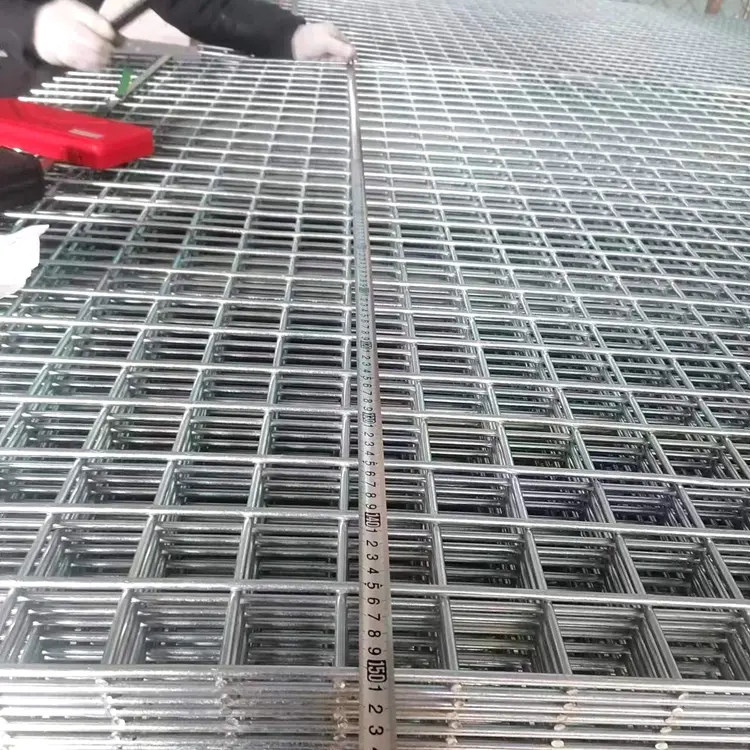
Selecting the appropriate steel wire is crucial for the longevity and effectiveness of your fence. The gauge (thickness) of the wire directly impacts its strength and durability. Lower gauge numbers indicate thicker wire. Consider the type of animals or security threats you're trying to contain. For example, smaller animals require smaller mesh sizes. The coating on the wire also plays a significant role. Galvanized steel offers corrosion resistance, while PVC-coated steel provides enhanced protection and aesthetic appeal. Factors like climate, soil conditions, and potential for abrasion should also influence your decision.
Wire Selection Considerations:
• Gauge: Lower gauge numbers = thicker, stronger wire.
• Mesh Size: Smaller mesh for smaller animals.
• Coating: Galvanized for corrosion resistance, PVC for enhanced protection and aesthetics.
• Climate & Soil: Consider environmental factors impacting durability.
Steel Wire Fence Comparison
Understanding the differences between various steel wire fence types can help you make an informed decision. Here's a comparison of common options:
Installation Tips for Steel Wire Fence
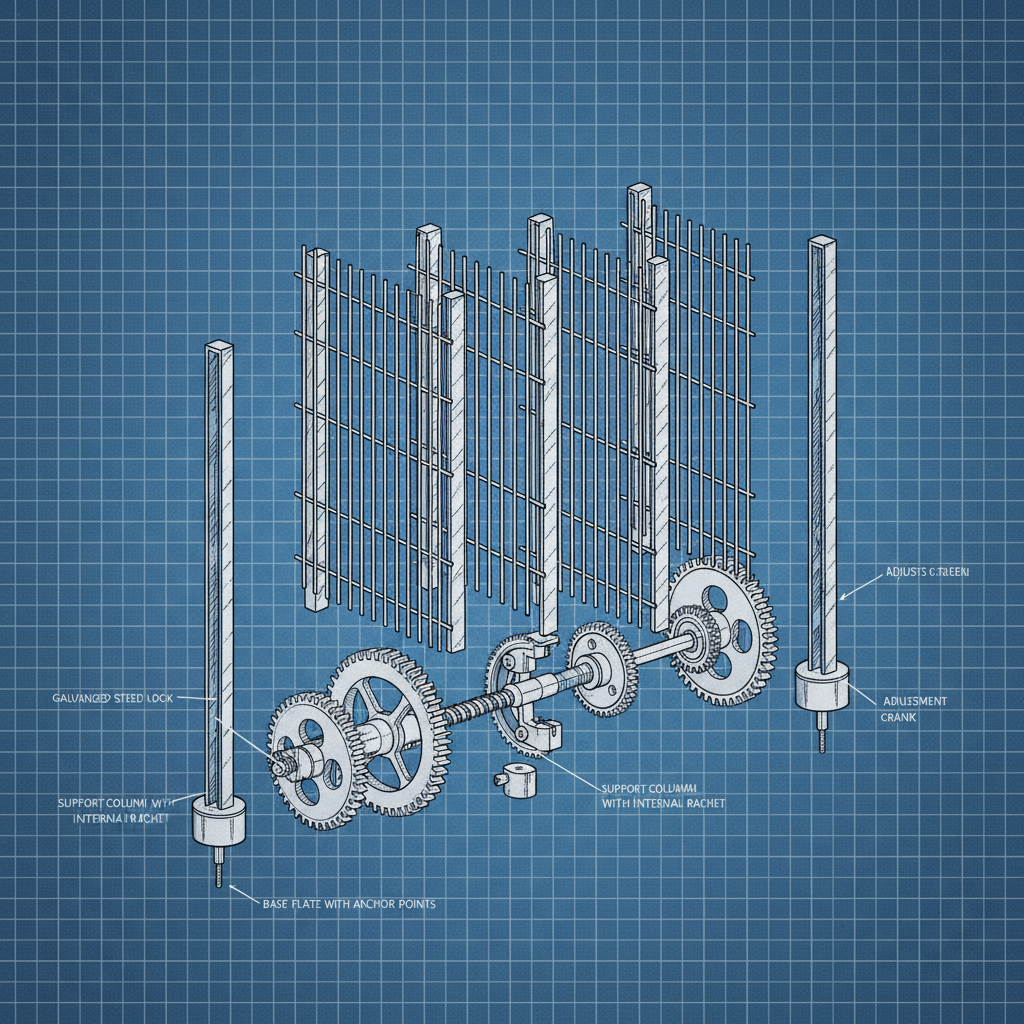
Proper installation is crucial for the longevity and effectiveness of your steel wire fence. Start by accurately marking the fence line and setting posts at appropriate intervals. Post spacing depends on the terrain and type of wire used. Ensure posts are deeply embedded in the ground and adequately braced. Stretch the wire tightly to prevent sagging, and securely attach it to the posts using appropriate fasteners. Consider using a tensioner for high-tensile wire. Always follow safety precautions when working with tools and materials. Consulting a professional installer can ensure a job well done.
Maintaining Your Steel Wire Fence
Regular maintenance will extend the life of your steel wire fence. Periodically inspect the fence for broken wires, loose fasteners, and signs of corrosion. Repair any damage promptly to prevent further deterioration. Clear vegetation growing around the fence line to prevent it from compromising the integrity of the structure. Re-tension wires as needed to maintain proper tightness. Applying a protective coating to the wire can also help prevent corrosion and extend its lifespan. Fencing Wire Mesh offers high-quality materials and resources to help you keep your fence in top condition.
Conclusion: Choosing the Right Steel Wire Fence
Investing in a quality steel wire fence is a smart decision for long-term security and property protection. By carefully considering your needs, selecting the right materials, and ensuring proper installation and maintenance, you can enjoy a durable and reliable fence for years to come. Explore our wide range of steel wire fencing options and find the perfect solution for your specific requirements.
Frequently Asked Questions (FAQs)
What is the typical lifespan of a steel wire fence?
The lifespan of a steel wire fence varies depending on the type of wire, coating, environmental conditions, and maintenance. Generally, a galvanized steel wire fence can last 20-30 years with proper maintenance. PVC-coated steel wire fencing can offer an even longer lifespan, potentially exceeding 30 years. Regular inspections and repairs are essential to maximize the fence's longevity. Factors like salt spray, extreme temperatures, and abrasion can accelerate corrosion and reduce the lifespan.
How often should I inspect my steel wire fence?
It's recommended to inspect your steel wire fence at least twice a year – once in the spring and once in the fall. During these inspections, check for broken wires, loose fasteners, sagging sections, and signs of corrosion. Pay particular attention to areas prone to damage, such as gates and corners. Addressing minor issues promptly can prevent them from escalating into more significant problems and extend the fence's life.
What is the best way to prevent corrosion on a steel wire fence?
Preventing corrosion is key to extending the life of your steel wire fence. Choosing a wire with a protective coating, such as galvanization or PVC, is the first step. Regularly cleaning the fence to remove dirt, debris, and salt spray can also help. Applying a corrosion-resistant coating or paint every few years can provide additional protection. Ensure good drainage around the fence line to prevent water from pooling and accelerating corrosion. You can find quality corrosion-resistant options at Fencing Wire Mesh.
Is barbed wire fencing legal in all areas?
The legality of barbed wire fencing varies depending on local regulations and zoning ordinances. Some areas may restrict its use, particularly in residential zones or near public spaces. It’s essential to check with your local authorities before installing barbed wire fencing to ensure compliance with all applicable laws and regulations. There may be specific requirements regarding height, spacing, and warning signs.