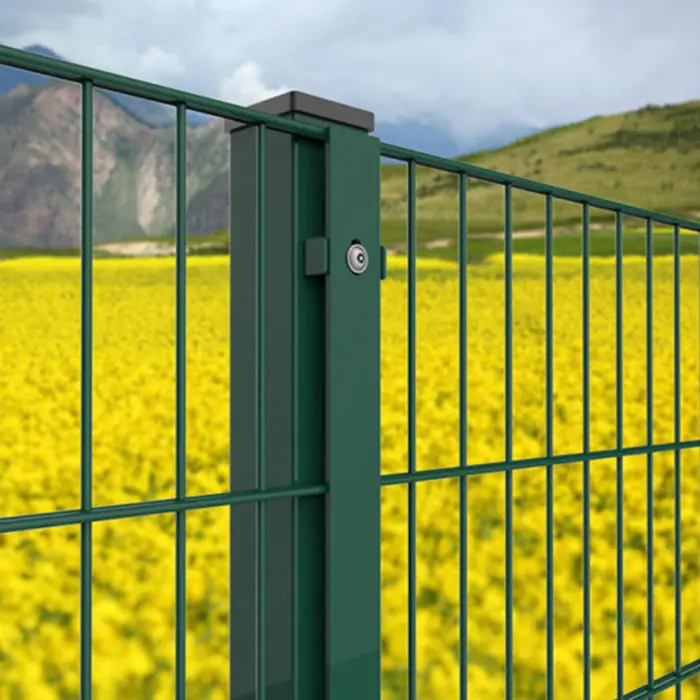

Chain Link Fence Poles: A Comprehensive Guide
When building a secure and durable fence, selecting the right chain link fence poles is paramount. These poles form the structural backbone of your fence, influencing its stability, longevity, and overall effectiveness. This article will delve into the various types of chain link fence poles, materials, sizing, installation considerations, and factors to consider when making your purchase. We’ll provide a detailed overview to help you choose the best poles for your specific fencing needs, ensuring a robust and lasting barrier.
Understanding the Different Types of Chain Link Fence Poles
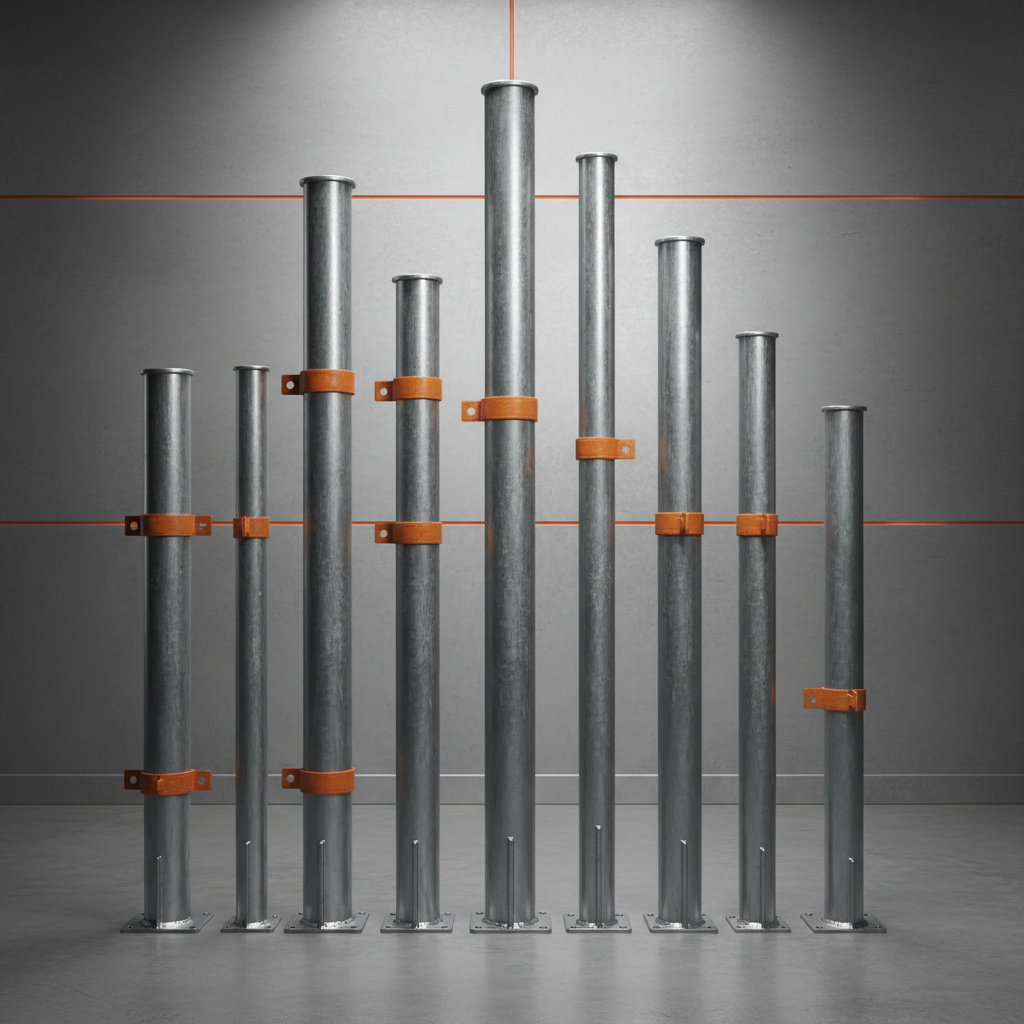
Chain link fence poles aren’t one-size-fits-all. They are categorized based on their function within the fence system. Line posts are the most common, placed at regular intervals to support the fabric. Terminal posts are located at the end of each run of fence and require extra strength to anchor the entire system. Gate posts are specifically designed to support the weight and stress of gates. Selecting the correct type for each position is essential for a secure and well-functioning fence. Furthermore, considerations for top rail type (conventional, swaged, or tubular) influence the pole's design.
Key Pole Types: Line posts, Terminal posts, and Gate posts. Each plays a specific role in ensuring the fence’s structural integrity.
Material Choices: Steel vs. Aluminum
The two primary materials used for chain link fence poles are steel and aluminum. Steel offers superior strength and is generally more cost-effective, making it ideal for high-security applications and large-scale projects. However, steel is susceptible to rust and corrosion, requiring protective coatings like galvanization or powder coating. Aluminum is lightweight, corrosion-resistant, and requires minimal maintenance. It’s a popular choice for residential fences, especially in coastal areas where salt spray can accelerate corrosion. The trade-off is that aluminum is typically more expensive than steel and may not be as strong for demanding applications.
Steel vs. Aluminum: A Quick Comparison
• Steel: High strength, cost-effective, requires corrosion protection.
• Aluminum: Lightweight, corrosion-resistant, higher cost.
Choosing the Right Pole Size and Gauge: A Critical Decision
The size and gauge (thickness) of the chain link fence poles are crucial factors determining the fence's stability. Pole diameter typically ranges from 1 3/8” to 2 3/8”, with larger diameters providing greater strength. The gauge, measured in numbers (e.g., 9 gauge, 11 gauge), indicates the steel thickness – lower numbers represent thicker steel. Higher fences, sloped terrain, or areas with strong winds require heavier gauge poles and potentially larger diameters. Consulting with a fencing professional is recommended to determine the appropriate size and gauge for your specific project.
Installation Best Practices for Chain Link Fence Poles
Proper installation is critical to the longevity of your fence. Typically, poles are set in concrete footings, ensuring stability and resistance to wind and ground movement. The depth of the footing depends on the fence height, soil conditions, and local wind loads. Digging holes deep enough and using the correct amount of concrete is paramount. Using a plumb bob to ensure the poles are perfectly vertical is essential before the concrete sets. Backfilling around the concrete with compacted soil adds additional support. Incorrect installation can lead to leaning or failing posts, compromising the entire fence.
Where to Buy High-Quality Chain Link Fence Poles
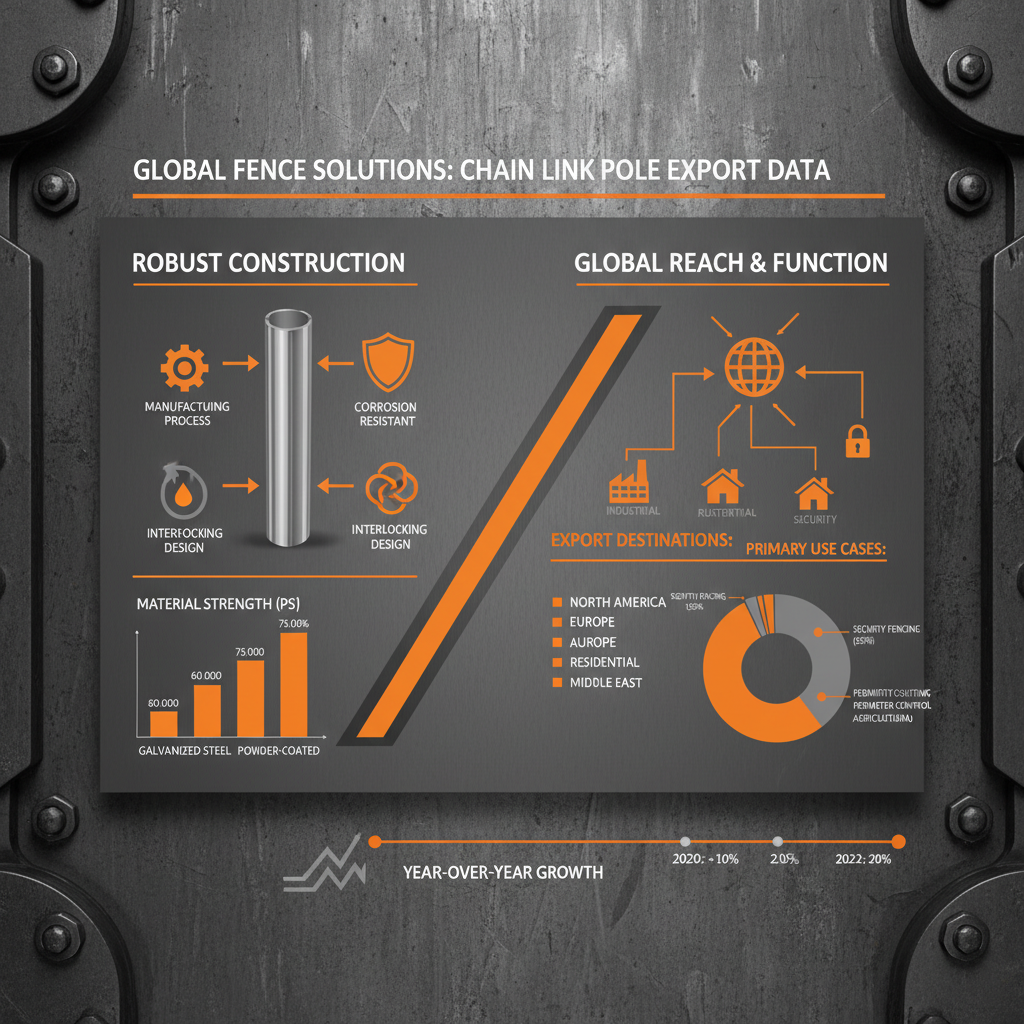
When sourcing chain link fence poles, choose a reputable supplier who offers a wide selection of materials, sizes, and gauges. Ensure they provide galvanization or powder coating for steel poles to prevent corrosion. Look for suppliers who offer detailed product specifications and can provide guidance on selecting the appropriate poles for your project. Fencing Wire Mesh provides a comprehensive range of high-quality chain link fence poles, with options to suit diverse needs and budgets.
Conclusion: Building a Lasting Fence with the Right Poles
Choosing the right chain link fence poles is a crucial investment in the security and longevity of your fence. By understanding the different types, materials, sizing considerations, and installation best practices, you can build a fence that will provide years of reliable service. Prioritize quality materials and proper installation for a fence that stands the test of time.
Frequently Asked Questions (FAQs)
What is the typical lifespan of a chain link fence pole?
The lifespan of a chain link fence pole varies depending on the material, climate, and maintenance. Galvanized steel poles can last 20-30 years with proper maintenance, while aluminum poles often have a longer lifespan due to their corrosion resistance. However, factors like soil acidity, exposure to salt spray, and physical damage can significantly affect longevity. Regular inspections and re-coating of steel poles can extend their lifespan. Proper installation, including sufficient concrete footing depth, is also crucial.
How much concrete is needed for each fence post?
The amount of concrete required per post depends on the fence height, pole diameter, and local soil conditions. A general rule of thumb is to use approximately 10-12 inches in diameter and 24-36 inches deep for a 6-foot fence. This equates to roughly 0.5-1 cubic foot of concrete per post. For taller fences or softer soils, you may need to increase the depth and concrete volume. Always consult local building codes and a fencing professional for specific requirements.
Can chain link fence poles be repaired if they become damaged?
Minor damage, such as surface rust, can often be repaired with cleaning, rust removal, and re-coating. However, severely damaged or bent poles should be replaced. Compromised poles weaken the entire fence structure and pose a safety risk. Attempting to repair a severely damaged pole is generally not recommended. Always prioritize safety and structural integrity when addressing damage to chain link fence poles. Contacting a professional fencing contractor is advised.