
Understanding Metal Expanding Fence: Applications & Benefits
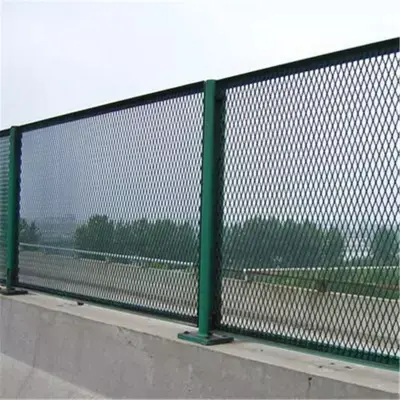
Metal expanding fence, also known as expanded metal fencing, is a versatile and durable security solution for a variety of applications. Its unique open mesh design offers visibility, ventilation, and security, making it ideal for perimeter fencing, industrial enclosures, and more. This article will explore the benefits of using metal expanding fence, its applications, key features, and considerations when selecting the right type for your needs. A robust and cost-effective solution, expanding metal fencing provides long-lasting security and aesthetic appeal.
Key Benefits of Metal Expanding Fence
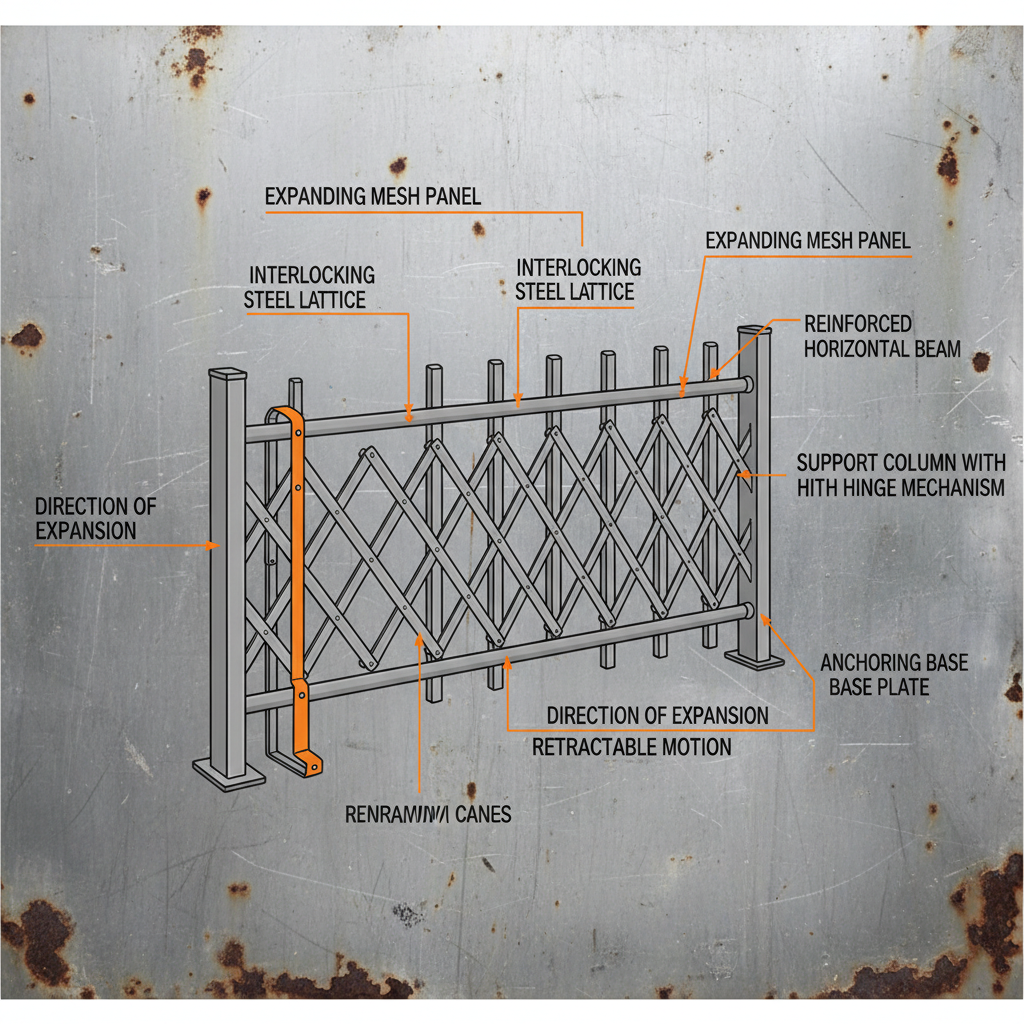
Metal expanding fence offers numerous advantages over traditional fencing materials. Its inherent strength and rigidity provide excellent security against intrusion. The open mesh design allows for clear visibility, crucial for security surveillance and aesthetic considerations. Furthermore, the design allows for airflow, reducing wind load and preventing the build-up of debris. It's also relatively lightweight, simplifying installation and reducing overall costs. The durability of metal expanding fence ensures a long service life with minimal maintenance.
Key Highlights: Offers superior security, clear visibility, reduced wind load, easy installation, and long-lasting durability.
Applications of Metal Expanding Fence
The versatility of metal expanding fence makes it suitable for a broad range of applications. Common uses include securing construction sites, protecting industrial facilities, creating perimeter fencing for residential properties, and constructing animal enclosures. It’s also frequently used for stair treads, walkways, and safety screens. Its robust nature makes it an ideal choice for high-security areas and environments prone to vandalism. The aesthetic appeal of expanding metal also lends itself well to architectural applications, offering a modern and industrial look.
Application Areas:
• Construction Site Security
• Industrial Facility Perimeter Fencing
• Residential Property Security
• Animal Enclosures
Metal Expanding Fence: Material Options & Specifications
Metal expanding fence is commonly available in various materials, each offering different benefits. Carbon steel is the most cost-effective option, providing excellent strength and durability. Stainless steel offers superior corrosion resistance, ideal for coastal areas or harsh environments. Aluminum is a lightweight and rust-resistant option, suitable for applications where weight is a concern. The mesh size, metal thickness, and sheet size can be customized to meet specific requirements. Choosing the right material and specifications is critical for ensuring optimal performance and longevity.
Comparing Metal Expanding Fence to Other Fencing Options
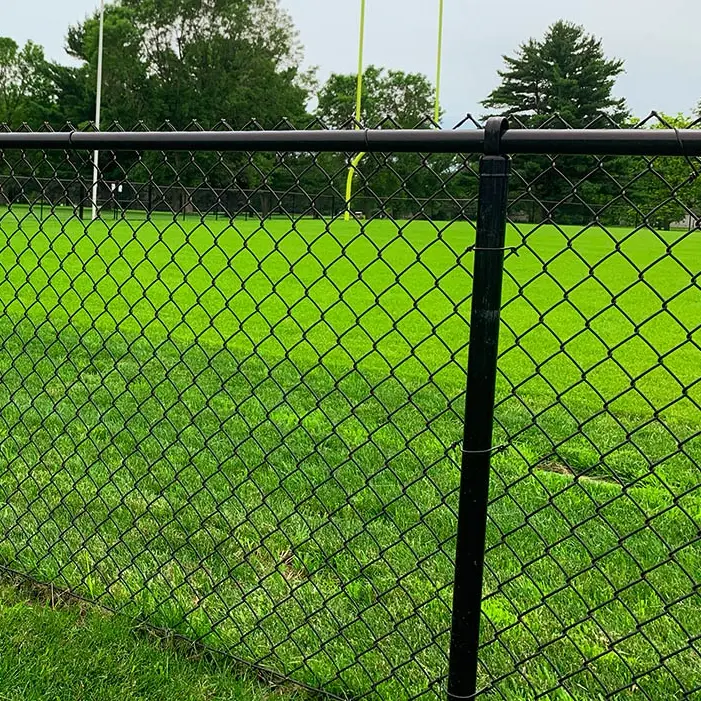
When considering fencing options, it’s important to compare metal expanding fence to alternatives like chain-link, wrought iron, and wood. Chain-link is less visually appealing and offers lower security. Wrought iron is more expensive and requires significant maintenance. Wood is susceptible to rot and requires regular treatment. Metal expanding fence strikes a balance between security, cost, durability, and aesthetics, making it a compelling choice for a wide range of applications.
Choosing the Right Metal Expanding Fence from FencingWireMesh.com
Selecting the appropriate metal expanding fence requires careful consideration of your specific needs. FencingWireMesh.com offers a comprehensive range of expanding metal fencing options, including various materials, mesh sizes, and sheet dimensions. Our expert team can assist you in determining the best solution for your application, ensuring optimal security, durability, and cost-effectiveness. We pride ourselves on providing high-quality products and exceptional customer service.
Conclusion: Secure Your Perimeter with Metal Expanding Fence
Metal expanding fence is a versatile and robust security solution for a multitude of applications. Its unique design offers a compelling combination of security, visibility, and durability. Choosing the right material and specifications from a reputable supplier like FencingWireMesh.com ensures a long-lasting and effective perimeter security solution.
Frequently Asked Questions (FAQs)
What is the typical lifespan of metal expanding fence?
The lifespan of metal expanding fence varies depending on the material and environmental conditions. Carbon steel, if properly maintained with regular coatings, can last 10-20 years. Stainless steel offers a significantly longer lifespan, often exceeding 30 years, due to its inherent corrosion resistance. Aluminum is also very durable, lasting 20-30 years. Regular inspection and maintenance, such as cleaning and recoating, are crucial for maximizing the lifespan of your fence.
How easy is it to install metal expanding fence?
Installation difficulty depends on the size of the panels and the terrain. Generally, metal expanding fence is relatively easy to install compared to other fencing types. It typically involves attaching the panels to posts using appropriate fasteners. However, professional installation is recommended for larger projects or complex terrains to ensure structural integrity and proper alignment. FencingWireMesh.com can provide guidance on installation techniques and recommend qualified installers.
Can metal expanding fence be painted or coated?
Yes, metal expanding fence can be painted or coated to enhance its appearance and provide additional corrosion protection. Proper surface preparation is essential for ensuring good adhesion. This includes cleaning the metal surface and applying a primer before painting. Choose a paint or coating specifically designed for metal to ensure long-lasting results. Powder coating is a particularly durable option, offering excellent resistance to weathering and corrosion.
What maintenance is required for metal expanding fence?
Metal expanding fence requires minimal maintenance. Regular cleaning to remove dirt and debris is recommended. For carbon steel fences, periodic inspection for rust and reapplication of protective coatings are necessary. Stainless steel and aluminum fences require less frequent maintenance. Inspect fasteners regularly to ensure they are secure. Addressing minor issues promptly will help extend the life of your fence.