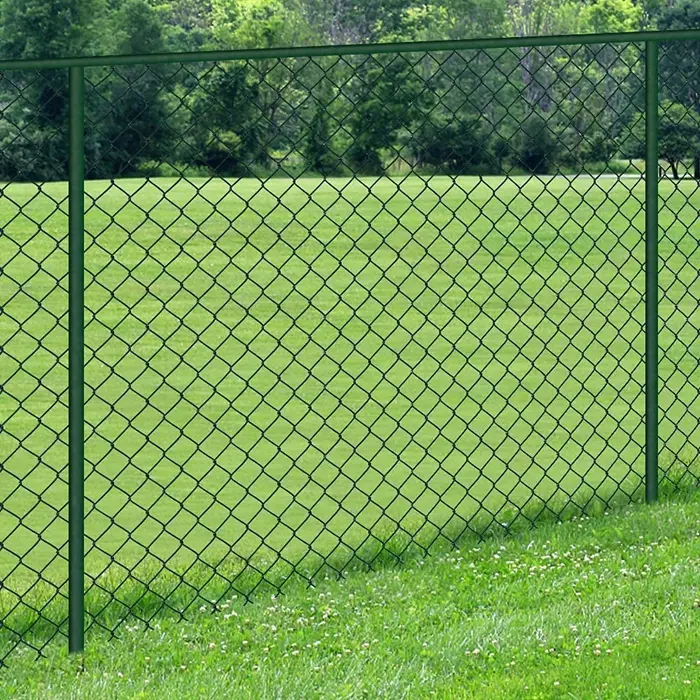

Understanding Chain Link Wire Fencing: A Comprehensive Guide
Chain link wire fencing is a versatile and cost-effective security solution widely used in residential, commercial, and industrial applications. Its durability, ease of installation, and relatively low cost make it a popular choice for defining property lines, securing perimeters, and containing animals. This article delves into the various aspects of chain link wire fencing, including its types, materials, applications, installation, and maintenance. Understanding these factors will help you make an informed decision when selecting the right fencing for your needs.
Types of Chain Link Fencing
Chain link fencing isn't one-size-fits-all. Different types cater to varying security levels and aesthetic preferences. The most common types include galvanized chain link, PVC-coated chain link, and aluminized chain link. Galvanized chain link offers basic corrosion resistance, while PVC-coated chain link provides enhanced durability and color options. Aluminized chain link combines the strength of steel with a layer of aluminum for superior rust protection. Choosing the right type depends on your environment and budget. For coastal areas or locations with high humidity, PVC or aluminized chain link is highly recommended.
Key Highlights: Different chain link types provide varying levels of corrosion resistance and aesthetic appeal. PVC-coated and aluminized options are ideal for harsh environments.
Materials Used in Chain Link Wire Fencing
The primary material used in chain link fencing is steel wire. However, the quality and treatment of this wire significantly impact the fence’s lifespan. Low carbon steel wire is typically used due to its affordability and malleability. The wire undergoes galvanization, a process of coating the steel with zinc to prevent rust. For added protection, the galvanized wire can be further coated with PVC or aluminum. The posts, rails, and fittings are usually made of steel pipe, also galvanized or powder-coated for durability. The gauge (thickness) of the wire and the diameter of the posts are crucial factors determining the fence's strength and stability. A heavier gauge wire and thicker posts provide greater resistance to damage and intrusion.
Chain Link Wire Fencing Applications
The applications for chain link fencing are incredibly diverse. It's commonly used for securing residential properties, enclosing backyards, and protecting gardens. In commercial settings, it’s used to secure warehouses, construction sites, and parking lots. Industrial facilities utilize chain link for high-security perimeters and material storage areas. It’s also ideal for animal enclosures, such as dog runs and livestock pens. Furthermore, chain link is often used for sports fields, tennis courts, and playgrounds. Its versatility and affordability make it a practical solution for a wide range of needs.
Application Benefits:
• Cost-effective security
• Versatile for various uses
• Durable and long-lasting
• Relatively easy to install
Comparing Chain Link Gauge and Height: Choosing the Right Size
Selecting the appropriate gauge and height for your chain link wire fencing is crucial for its effectiveness and longevity. The gauge refers to the thickness of the wire, with lower numbers indicating thicker wires. Height determines the level of security and privacy provided. Below is a comparison to help you make an informed decision:
Installation and Maintenance Tips
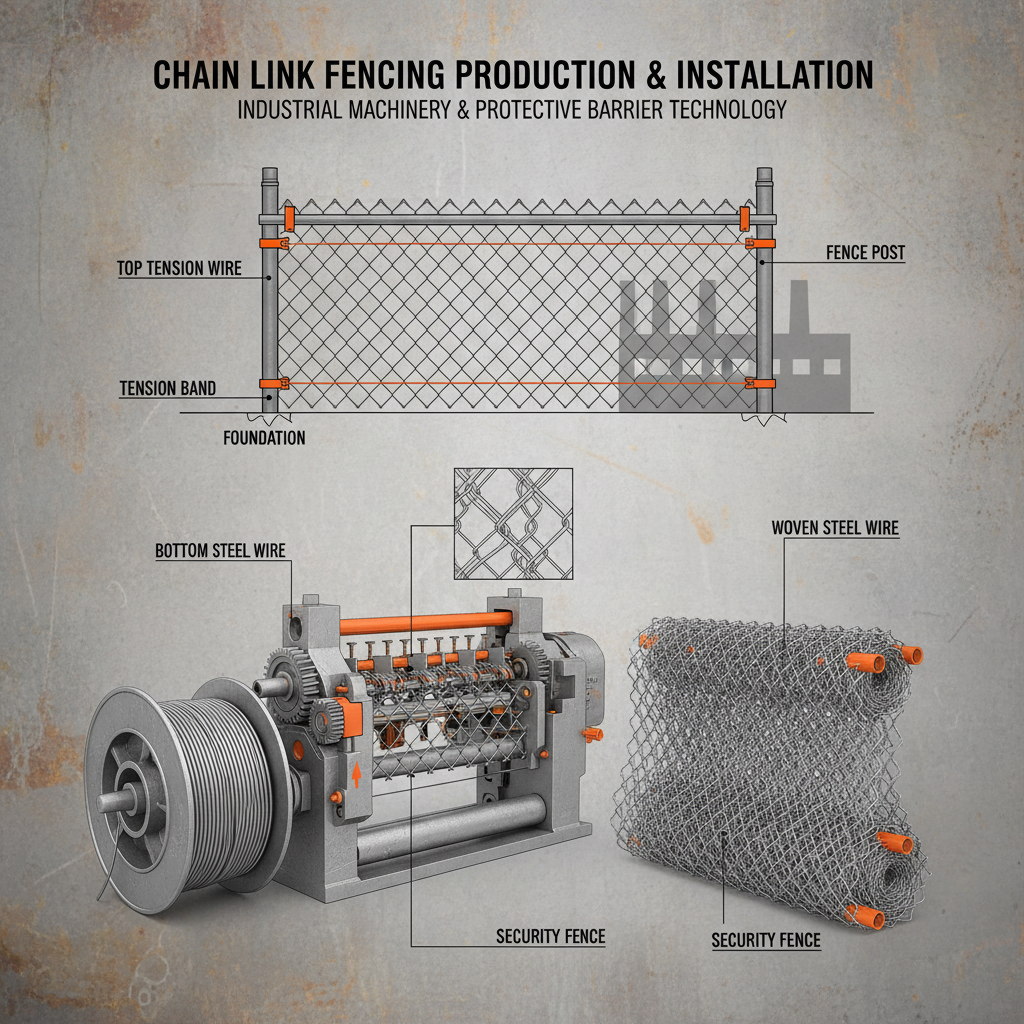
Proper installation is key to ensuring the longevity and effectiveness of your chain link fence. It typically involves setting posts in concrete, stretching the fabric, and securing it to the posts with tension bands and brace bands. Maintenance is relatively straightforward, primarily involving periodic cleaning to remove dirt and debris. Inspect the fence regularly for signs of corrosion or damage. Address any issues promptly to prevent further deterioration. Applying a rust preventative coating can extend the fence's lifespan, especially in corrosive environments.
Conclusion: A Reliable and Versatile Fencing Solution
Chain link wire fencing remains a popular choice for a reason: its affordability, durability, and versatility. By understanding the different types, materials, and installation techniques, you can select the perfect fencing solution for your needs. For high-quality chain link wire fencing and expert advice, visit FencingWireMesh.com today!
Frequently Asked Questions (FAQs)
How long does a chain link fence typically last?
The lifespan of a chain link fence varies depending on the material and environment. Galvanized chain link typically lasts 10-20 years, while PVC-coated and aluminized chain link can last 20-30 years or more. Regular maintenance, such as cleaning and rust prevention, can significantly extend the fence’s life. Coastal areas and environments with high salt content can accelerate corrosion, shortening the lifespan if proper protective measures aren’t taken. Factors like the gauge of the wire and the quality of the galvanization also play a crucial role.
What is the best way to prevent rust on a galvanized chain link fence?
Preventing rust on a galvanized chain link fence involves several steps. Regularly clean the fence with a mild detergent and water to remove dirt and debris. Apply a rust preventative coating or galvanized paint annually. Inspect the fence for any damaged areas where the galvanization has been compromised and repair them promptly. In coastal areas, consider using a sacrificial anode to protect the fence from corrosion. Proper installation, including avoiding direct contact with dissimilar metals, can also help prevent rust.
Can chain link fencing be used for security purposes?
Yes, chain link fencing can be an effective security solution, particularly when combined with appropriate accessories. Using a heavier gauge wire (9 gauge) and a taller fence height (6-8 feet) increases security. Adding top rail extensions, razor ribbon, or security locks to the gates further deters intruders. For high-security applications, consider using a smaller mesh size to make climbing more difficult. Properly installed and maintained chain link fencing provides a visible deterrent and a physical barrier against unauthorized access.
Is chain link fencing environmentally friendly?
Chain link fencing can be considered relatively environmentally friendly compared to some other fencing materials. Steel is recyclable, and many chain link components can be salvaged and reused. The manufacturing process does have an environmental impact, but the longevity and durability of the fence reduce the need for frequent replacements. Choosing PVC-coated options introduces plastic into the equation, so consider the environmental impact of PVC production and disposal.