
Understanding GI Wire Net: A Comprehensive Guide
GI wire net, or galvanized iron wire netting, is a versatile and robust material with widespread applications across industries. From agricultural fencing to industrial screening, its durability and cost-effectiveness make it a popular choice. This article provides a comprehensive overview of GI wire net, exploring its manufacturing process, types, applications, and important considerations for purchasing. We’ll delve into the benefits of using GI wire mesh and help you determine if it's the right solution for your needs.
What is GI Wire Net and How is it Made?
GI wire net is created from carbon steel wire that undergoes a galvanization process. This process involves coating the steel wire with a protective layer of zinc. The zinc coating prevents rust and corrosion, significantly extending the lifespan of the wire even when exposed to harsh environmental conditions. The wire is then woven or welded into a mesh, creating a durable and versatile netting. Different weaving patterns and wire gauges are used to tailor the net to specific applications. The galvanization process is critical for the performance of galvanized iron wire mesh, ensuring longevity and reliability.
Key Highlights: The galvanization process forms a sacrificial layer of zinc, protecting the underlying steel from corrosion. This makes GI wire net ideal for outdoor and demanding applications.
Types of GI Wire Net: Woven vs. Welded
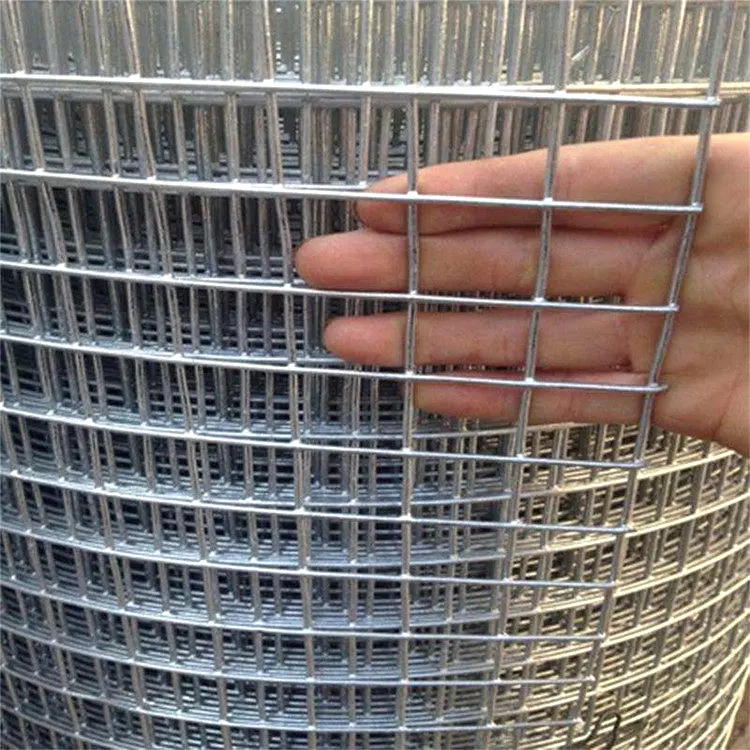
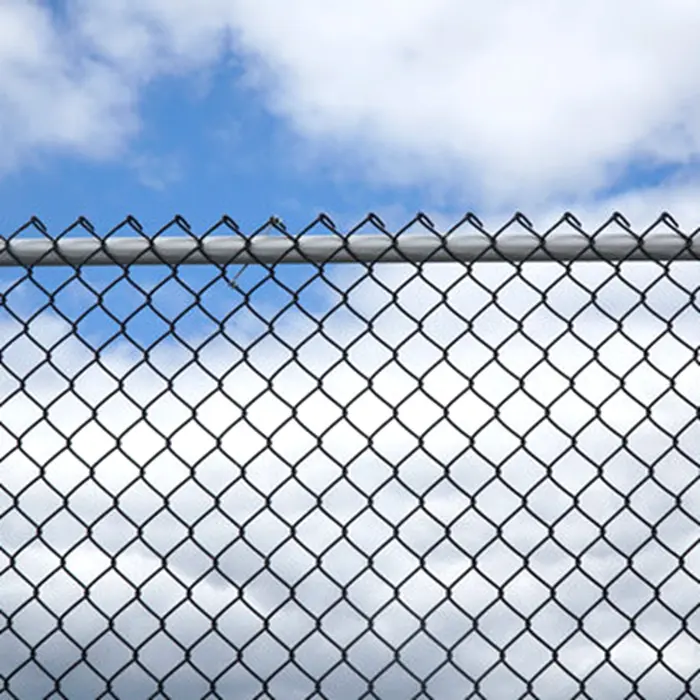
GI wire net comes in two primary forms: woven and welded. Woven wire net is created by interlacing wires in a repeating pattern, offering flexibility and good tensile strength. Welded wire net, on the other hand, is formed by joining wires at their intersections using an electric current. This results in a more rigid and stable structure. The choice between woven and welded depends on the specific application and desired characteristics. Woven wire is preferred for applications needing flexibility, while welded wire excels in maintaining shape and providing structural support.
Woven vs. Welded: A Quick Comparison
• Woven: Flexible, good tensile strength, cost-effective.
• Welded: Rigid, stable, excellent structural support.
• Applications: Woven for fencing, welded for cages and screening.
Common Applications of GI Wire Net
The versatility of GI wire net makes it suitable for a wide array of applications. These include agricultural fencing to contain livestock, poultry netting to protect birds, industrial screening for safety and containment, construction reinforcement, and even crafting projects. Its resistance to corrosion makes it ideal for outdoor use, and its relatively low cost makes it an attractive option for large-scale projects. From protecting crops to securing perimeters, GI wire netting is a practical and reliable solution.
Factors to Consider When Purchasing GI Wire Net
Selecting the right GI wire net involves considering several factors. Wire gauge determines the strength and durability of the net – thicker gauges are better suited for heavy-duty applications. Mesh size dictates the openings in the net, influencing its suitability for different animals or screening needs. The type of weave (woven or welded) affects its flexibility and structural integrity. Finally, the zinc coating thickness impacts its corrosion resistance. When choosing a supplier, prioritize quality and reliability.
Maintaining and Extending the Life of Your GI Wire Net
While GI wire net is corrosion-resistant, proper maintenance can further extend its lifespan. Regularly inspect the netting for damage, such as breaks or bends. Clean the netting periodically to remove dirt and debris that can trap moisture. Avoid harsh chemicals or abrasive cleaners. In areas with particularly harsh weather conditions, consider applying a protective coating to enhance corrosion resistance. Investing in quality GI wire mesh from a reputable supplier is the first step, but consistent maintenance will ensure long-term performance.
Conclusion: Choosing the Right GI Wire Net for Your Needs
Choosing the right GI wire net is a crucial decision that impacts the effectiveness and longevity of your project. By understanding the different types, applications, and factors to consider, you can select the ideal netting for your specific needs. Remember to prioritize quality, corrosion resistance, and proper maintenance to maximize the lifespan of your investment.
Frequently Asked Questions (FAQs)
What is the difference between galvanized and PVC-coated wire net?
While both offer corrosion protection, PVC-coated wire net provides an additional layer of protection from the elements and can be more resistant to certain chemicals. Galvanized wire relies on the zinc coating, which is a sacrificial layer that corrodes before the steel. PVC coating provides a physical barrier against moisture and chemicals. PVC-coated wire is often preferred in highly corrosive environments or applications where aesthetics are important, as it comes in various colors.
How do I repair damaged GI wire net?
Small breaks in woven wire can be repaired with wire connectors or by weaving new wire through the mesh. For welded wire, patching with similar gauge wire and welding it in place is the most effective repair. In some cases, replacing the entire section of netting may be necessary, especially for larger damages. Always wear appropriate safety gear, such as gloves and eye protection, when making repairs.
What is the typical lifespan of GI wire net?
The lifespan of GI wire net varies depending on environmental conditions and maintenance. Generally, it can last 10-20 years or more with proper care. Factors like humidity, salinity, and exposure to chemicals can accelerate corrosion. Regularly inspecting and maintaining the netting can significantly extend its lifespan.
Is GI wire net safe for use around animals?
Yes, GI wire net is generally considered safe for use around animals, provided the mesh size is appropriate to prevent injury. Ensure the mesh openings are small enough to prevent animals from getting their heads or limbs stuck. Sharp edges or burrs should also be addressed to avoid cuts or abrasions.
.webp "ODM Slip Resistant Steel Plate Anti Skid Plate Factory")