
GI Wire for Fencing: A Comprehensive Guide
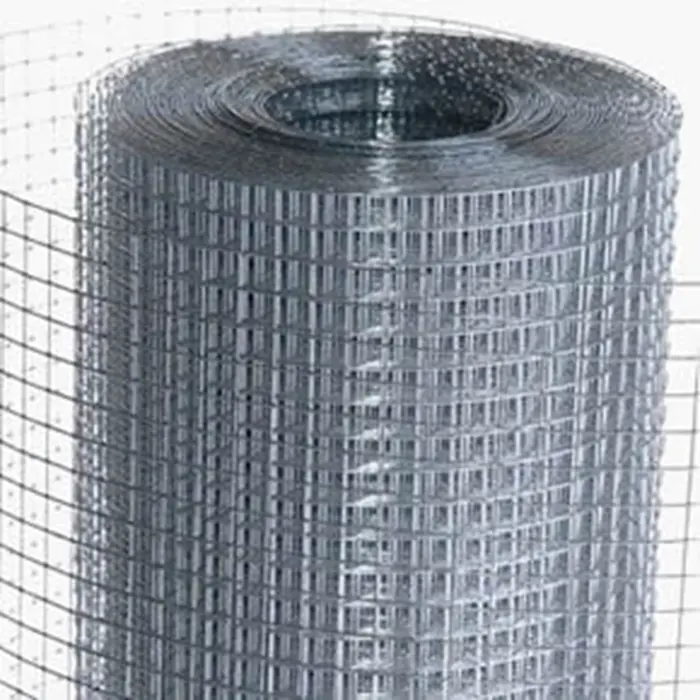
Galvanized Iron (GI) wire is a cornerstone material in the fencing industry, prized for its strength, durability, and cost-effectiveness. Whether you're securing a rural property, containing livestock, or creating a secure perimeter, understanding the different types of GI wire for fencing is essential. This article will delve into the various aspects of GI wire, from its manufacturing process to its applications, helping you make informed decisions for your fencing needs. Choosing the correct wire will guarantee longevity and effective security.
Understanding Galvanization: The Key to Durability
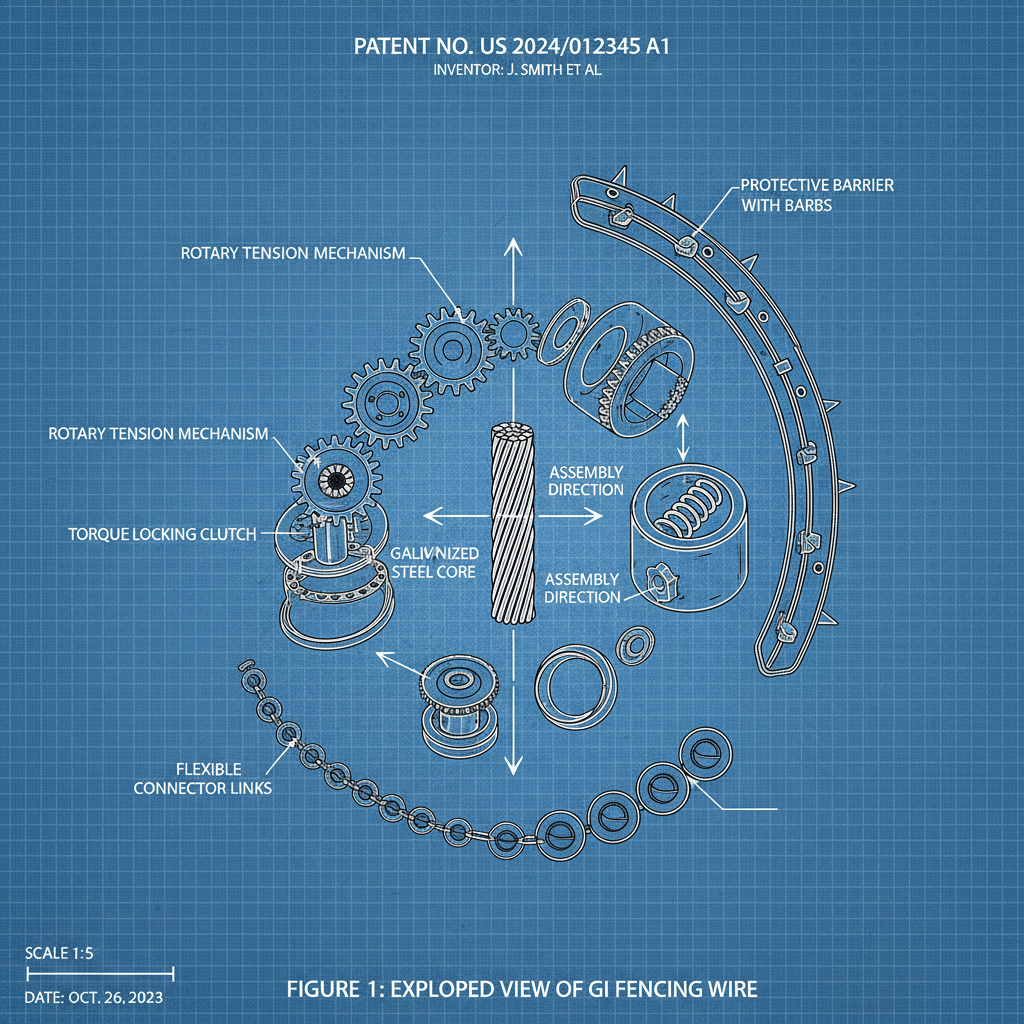
The “GI” in GI wire stands for Galvanized Iron. Galvanization is a process of coating iron or steel with a layer of zinc to prevent rusting. This protective zinc layer acts as a barrier against corrosion, significantly extending the lifespan of the wire, even when exposed to harsh weather conditions. There are different galvanization methods, each offering varying levels of protection. Hot-dip galvanizing, where the wire is submerged in molten zinc, provides the thickest and most durable coating, making it ideal for demanding applications. Electro-galvanization offers a thinner coating and is commonly used for less exposed or indoor applications.
Key Highlights: Galvanization prevents rusting, extending the lifespan of the wire. Hot-dip galvanizing provides the most durable protection, while electro-galvanization is suitable for less exposed environments.
Types of GI Wire for Fencing
Several types of GI wire are commonly used for fencing. These include: High Tensile Wire – known for its exceptional strength and ability to withstand significant tension, ideal for creating secure and long-lasting fences. Mild Steel Wire – more flexible and easier to work with, suitable for general fencing applications where high tensile strength isn't crucial. Barbed Wire – GI wire with sharp barbs along its length, providing an extra layer of security. PVC Coated GI Wire – GI wire coated with PVC for added corrosion resistance and aesthetic appeal. The choice depends on the intended application and desired level of security and longevity.
GI Wire Type Benefits:
• High Tensile: Exceptional strength, long-lasting.
• Mild Steel: Flexible, easy to work with.
• Barbed: Enhanced security, deterrent effect.
• PVC Coated: Extra corrosion resistance, aesthetic appeal.
GI Wire for Fencing: A Comparison of Different Gauges
The gauge of GI wire determines its thickness and strength. A lower gauge number indicates a thicker wire. For fencing, common gauges range from 12 to 18. Thicker wires (lower gauges) are more robust and suitable for high-security applications or areas with heavy livestock. Thinner wires (higher gauges) are more economical but offer less strength. Selecting the appropriate gauge is vital for ensuring the fence can withstand the intended pressure and environmental factors. Consider the type of animals or security needs when choosing the gauge.
Applications of GI Wire in Different Fencing Styles
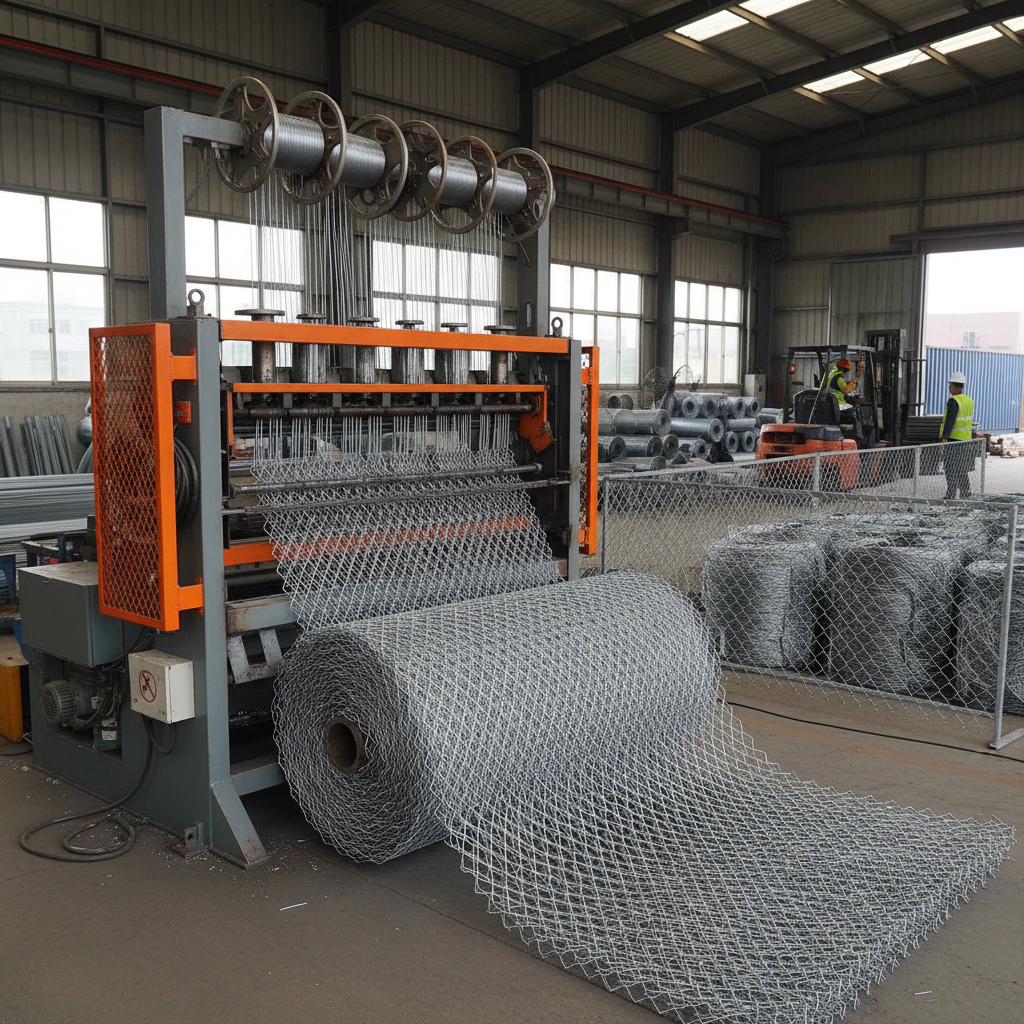
GI wire finds application in a wide variety of fencing styles. Woven wire fencing relies heavily on GI wire for its strength and flexibility. Chain-link fencing uses GI wire for the interconnected links, providing a robust and secure barrier. Barbed wire fencing, as mentioned earlier, utilizes GI wire as its core material. Even in more sophisticated fencing systems, such as electric fences, GI wire is often used as a conductor. The versatility of GI wire ensures it remains a staple in the fencing industry.
Factors to Consider When Purchasing GI Wire
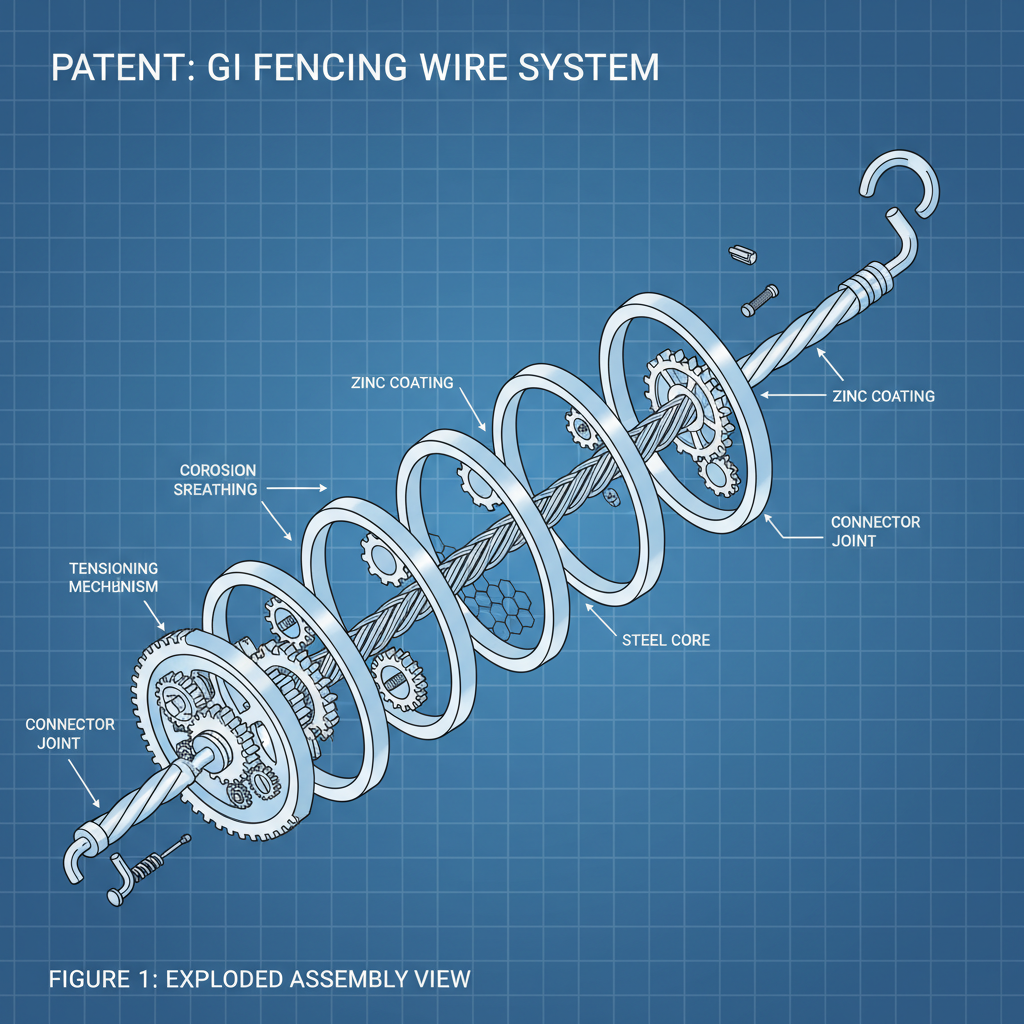
When purchasing GI wire for fencing, consider factors like the wire gauge, type of galvanization, intended application, and the overall climate. Ensure the wire is sourced from a reputable supplier like Fencing Wire Mesh to guarantee quality and durability. Proper installation is also crucial for maximizing the lifespan and effectiveness of the fence. A well-chosen and properly installed GI wire fence will provide years of reliable service.
Conclusion: Choosing the Right GI Wire for Your Needs
Investing in high-quality GI wire is a crucial step towards building a durable and effective fence. By understanding the different types, gauges, and galvanization methods, you can make an informed decision tailored to your specific needs. For reliable sourcing and expert advice, consider Fencing Wire Mesh as your trusted supplier. A well-constructed fence provides security, containment, and peace of mind.
Frequently Asked Questions (FAQs)
What is the expected lifespan of a GI wire fence?
The lifespan of a GI wire fence varies depending on the quality of the galvanization, the gauge of the wire, the climate, and maintenance. Generally, a well-maintained GI wire fence can last between 10 and 20 years, or even longer in mild climates. Regular inspections for rust and timely repairs are essential to extend its lifespan. PVC coating can significantly increase longevity by providing an additional layer of protection against corrosion.
How can I prevent my GI wire fence from rusting?
Preventing rust is crucial for maximizing the life of your fence. Regular cleaning to remove dirt and debris helps. Applying a protective coating, such as paint or sealant, can also help. Inspecting the fence regularly for signs of rust and addressing them promptly is vital. Choosing a high-quality GI wire with a thick galvanization layer provides the best initial protection. Consider PVC coated wire for enhanced resistance in harsh environments.
What is the best type of GI wire for coastal areas?
Coastal areas present a particularly challenging environment for fencing due to salt spray and high humidity. For coastal applications, PVC-coated GI wire is highly recommended. The PVC coating provides an extra barrier against corrosion, significantly extending the fence’s lifespan. Alternatively, a high-tensile GI wire with a very thick galvanization layer can also be used, but it will require more frequent maintenance.
Where can I purchase high-quality GI wire?
You can purchase high-quality GI wire from reputable fencing suppliers. Fencing Wire Mesh offers a wide selection of GI wire products, including various gauges, types, and coatings. Ensure the supplier provides detailed product specifications and offers competitive pricing. Don't hesitate to ask about warranties and certifications to ensure you're getting a quality product.