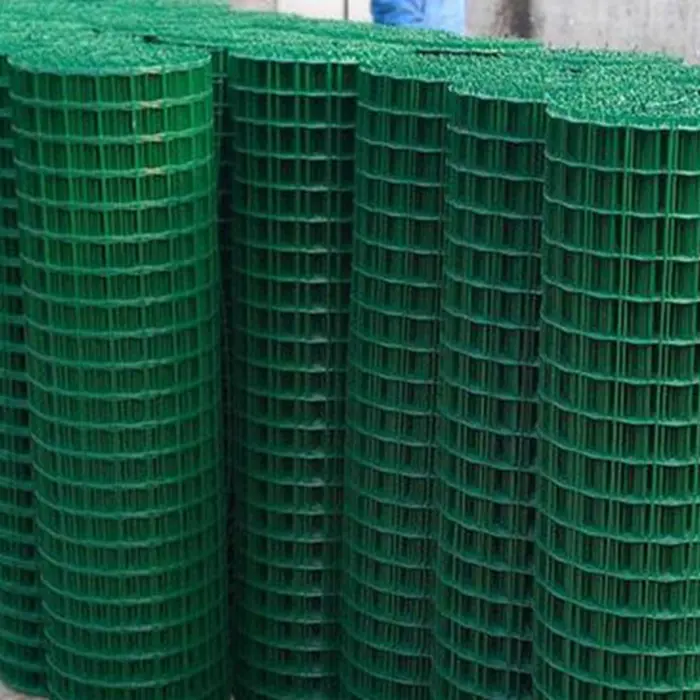

Choosing the Right Chain Link Pool Fence for Your Needs
Protecting your pool area with a secure and aesthetically pleasing fence is crucial for safety and peace of mind. A chain link pool fence offers an excellent combination of affordability, durability, and visibility. This article will guide you through everything you need to know about chain link pool fences, including regulations, materials, installation, and maintenance. We’ll help you determine the best solution to safeguard your loved ones and comply with local safety standards. Investing in a quality fence is an investment in safety.
Understanding Pool Fence Regulations
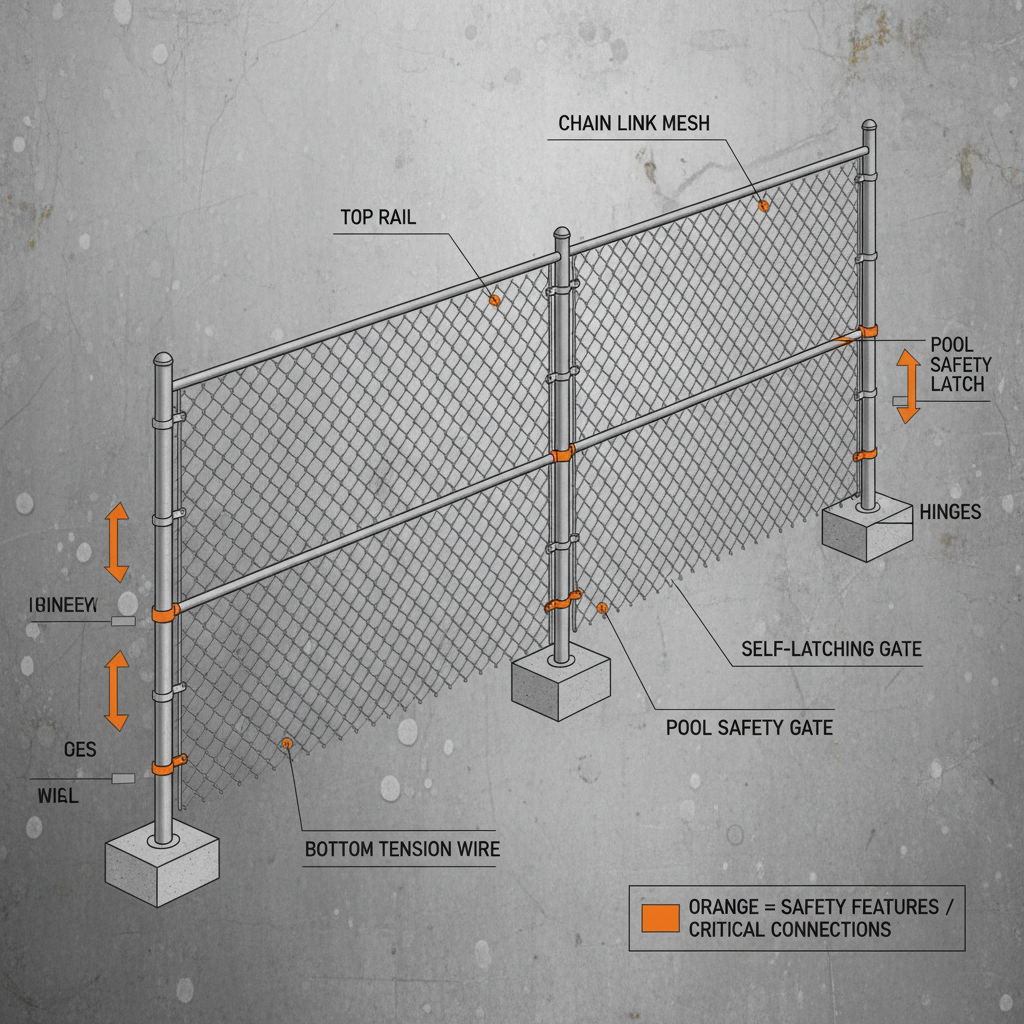
Before installing a chain link pool fence, it's essential to understand the local regulations in your area. Most municipalities have specific requirements regarding fence height, gate self-closing mechanisms, latching systems, and barrier openings. These regulations are designed to prevent accidental drownings and ensure the safety of children and pets. Common requirements include a minimum fence height of 4 feet, self-closing and self-latching gates, and limited spacing between fence posts. Failure to comply with these regulations can result in fines and potential liability. You can find information regarding these regulations from your local building department or homeowner's association.
Key Takeaway: Always check and adhere to local pool fence regulations before beginning installation to ensure compliance and safety.
Materials and Components of a Chain Link Pool Fence
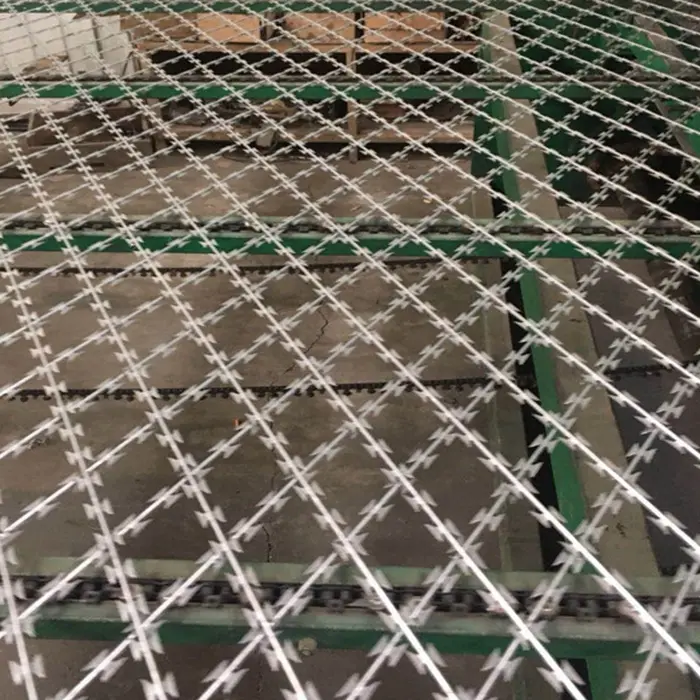
A typical chain link pool fence consists of several key components. The posts, typically made of galvanized steel, provide the structural support. The fabric, or chain link mesh, is woven from galvanized steel wire and comes in various gauges and heights. Top rails run horizontally along the top of the fence, adding stability. Tension bands, tension bars, and brace bands secure the fabric to the posts. Gates, equipped with self-closing hinges and self-latching mechanisms, provide access. Finally, hardware like ties and caps complete the installation. Choosing high-quality materials is crucial for longevity and durability, especially in harsh weather conditions.
Essential Components:
• Galvanized Steel Posts
• Chain Link Fabric
• Top Rail
• Tension Hardware
Chain Link Pool Fence Options: Gauges and Heights
When selecting a chain link pool fence, you'll need to consider the gauge and height of the fence. Gauge refers to the thickness of the wire – lower gauge numbers indicate thicker, more durable wire. Common gauges for pool fences include 9, 11, and 11.5. For added security and longevity, a heavier gauge is recommended. The height of the fence should meet local regulations, with 4 feet being a common requirement. However, taller fences may provide an extra layer of safety, especially if you have young children or pets. Visit Fencing Wire Mesh for a full selection of options.
Professional Installation vs. DIY
Installing a chain link pool fence can be a DIY project for experienced homeowners. However, proper installation is critical to ensure safety and compliance with regulations. Incorrectly installed fences can be unstable or have gate malfunctions, compromising safety. A professional fence installer will have the experience, tools, and knowledge to complete the job correctly and efficiently. They can also advise on local regulations and ensure the fence meets all safety requirements. While DIY may seem more cost-effective upfront, the potential risks and costs of improper installation can outweigh the savings. Contact us today for a free quote!
Maintaining Your Chain Link Pool Fence
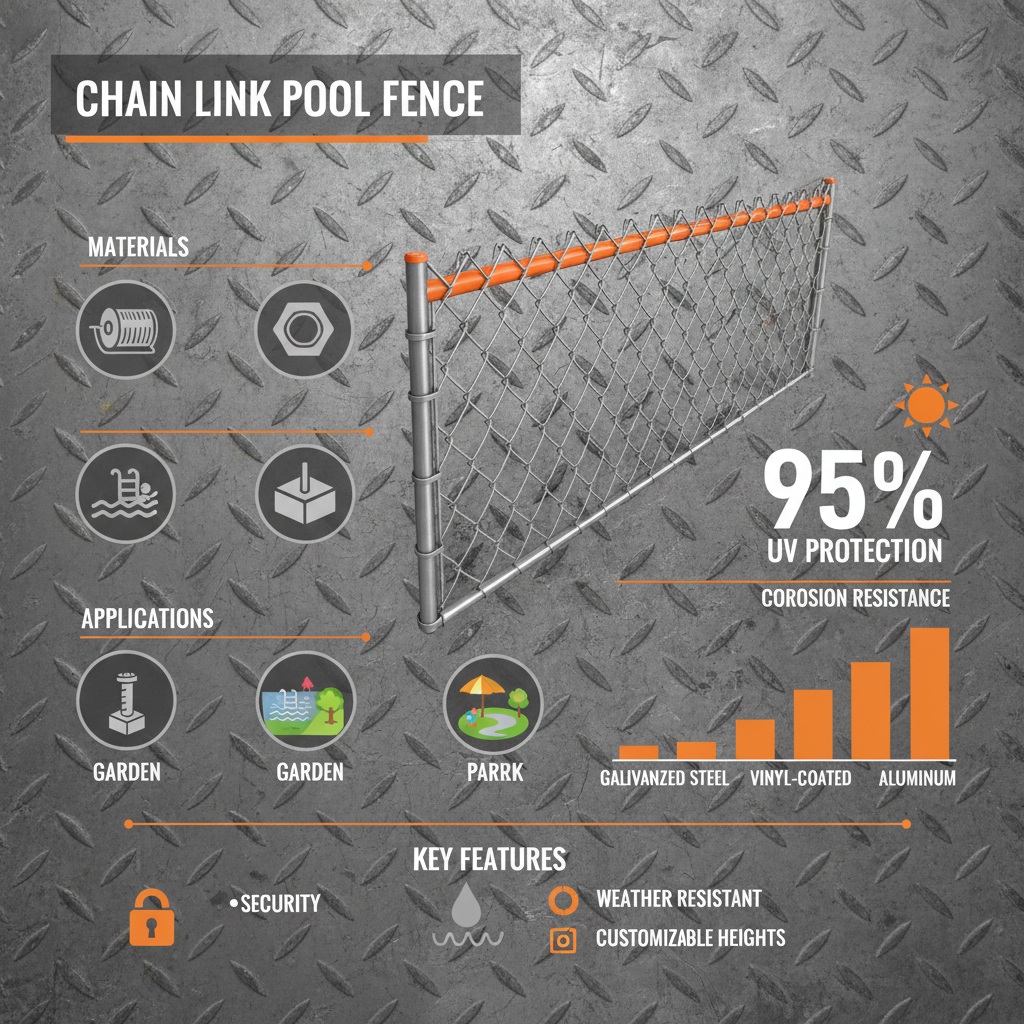
Regular maintenance will extend the life of your chain link pool fence. Inspect the fence regularly for signs of rust or damage. Clean the fence periodically with mild soap and water to remove dirt and debris. Tighten any loose hardware, such as tension bands and brace bands. Lubricate gate hinges to ensure smooth operation. Address any rust spots promptly with rust-inhibiting paint. With proper care, your chain link pool fence will provide years of reliable safety and security.
Conclusion: Ensuring Safety with a Chain Link Pool Fence
A chain link pool fence is a practical, affordable, and effective solution for ensuring the safety of your pool area. By understanding the regulations, choosing the right materials, and performing regular maintenance, you can create a secure barrier that provides peace of mind. Invest in quality materials and consider professional installation to guarantee a long-lasting and reliable fence. Your family’s safety is worth it.
Frequently Asked Questions (FAQs)
What is the typical lifespan of a chain link pool fence?
With proper maintenance, a chain link pool fence can last 15-20 years or even longer. Galvanized steel is corrosion-resistant, but exposure to salt air or harsh chemicals can accelerate rust. Regularly cleaning the fence and applying a protective coating can significantly extend its lifespan. Check for signs of damage, such as broken chain link or bent posts, and address them promptly to prevent further deterioration. Consider upgrading the coating if you live in a harsh environment.
How much does a chain link pool fence typically cost?
The cost of a chain link pool fence varies depending on the height, gauge of the wire, length of the fence, and installation costs. On average, you can expect to pay between $10 and $25 per linear foot for materials and installation. DIY installation can reduce costs, but requires time and effort. Factors like terrain and gate requirements can also affect the overall price. For accurate pricing, it's best to get quotes from multiple fence contractors. Contact us for a competitive estimate.
Can a chain link fence be customized with privacy slats?
Yes, chain link fences can be customized with privacy slats. These slats are inserted vertically into the chain link mesh, providing varying degrees of privacy. Slats come in different colors and materials, allowing you to customize the look of your fence. However, it's important to check local regulations regarding privacy fence height and materials. Adding privacy slats may also increase the wind load on the fence, so ensure the posts and framework are strong enough to withstand the added stress.