
Understanding Chain Mesh Fencing Cost Per Metre: A Complete Pricing Guide
When securing a perimeter for a residential backyard, an industrial site, or a sports complex, understanding the chain mesh fencing cost per metre is the first critical step in budgeting. Chain link fencing is renowned for its durability, transparency, and cost-effectiveness, making it a go-to choice for property owners worldwide. However, the price is rarely a single flat rate; it fluctuates based on material gauge, coating types, and height requirements. In this guide, we will break down the variables that influence pricing and help you calculate the most accurate estimate for your specific project needs.
Core Factors Influencing Chain Mesh Fencing Cost Per Metre
Several technical specifications directly impact the chain mesh fencing cost per metre. First is the wire gauge; a thicker wire (lower gauge number) provides more strength but increases the material cost. Second is the mesh size; smaller diamonds require more wire per square metre, driving the price up. Finally, the fence height plays a role, as taller fences require heavier-duty posts and more fabric. By choosing the right balance between strength and budget, you can optimize your investment without compromising security.
Pro Tip: For standard residential boundaries, a 1.2m to 1.8m height with a 50mm mesh size typically offers the best value for money.
Material Comparison: Galvanized vs. PVC Coated
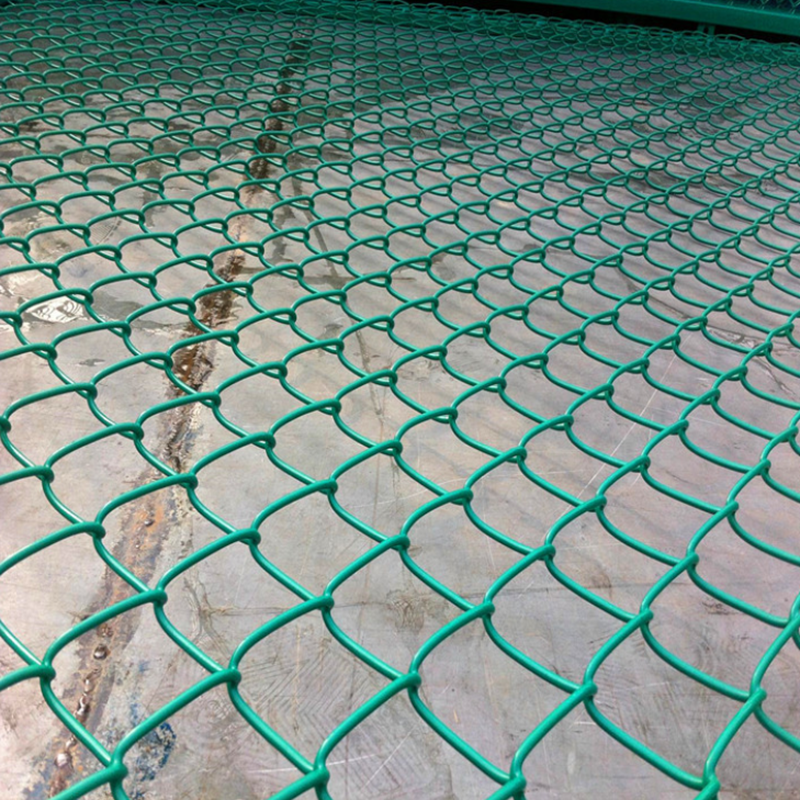
The choice of finish is perhaps the most significant driver of the chain mesh fencing cost per metre. Galvanized steel is the industry standard, offering excellent rust protection via a zinc coating. However, PVC coating adds an extra layer of protection and aesthetic versatility (available in green, black, etc.), which is ideal for coastal areas with high salt spray. While PVC increases the initial cost, it often reduces long-term maintenance expenses by preventing corrosion more effectively than galvanization alone.
Calculating Total Investment Beyond Cost Per Metre
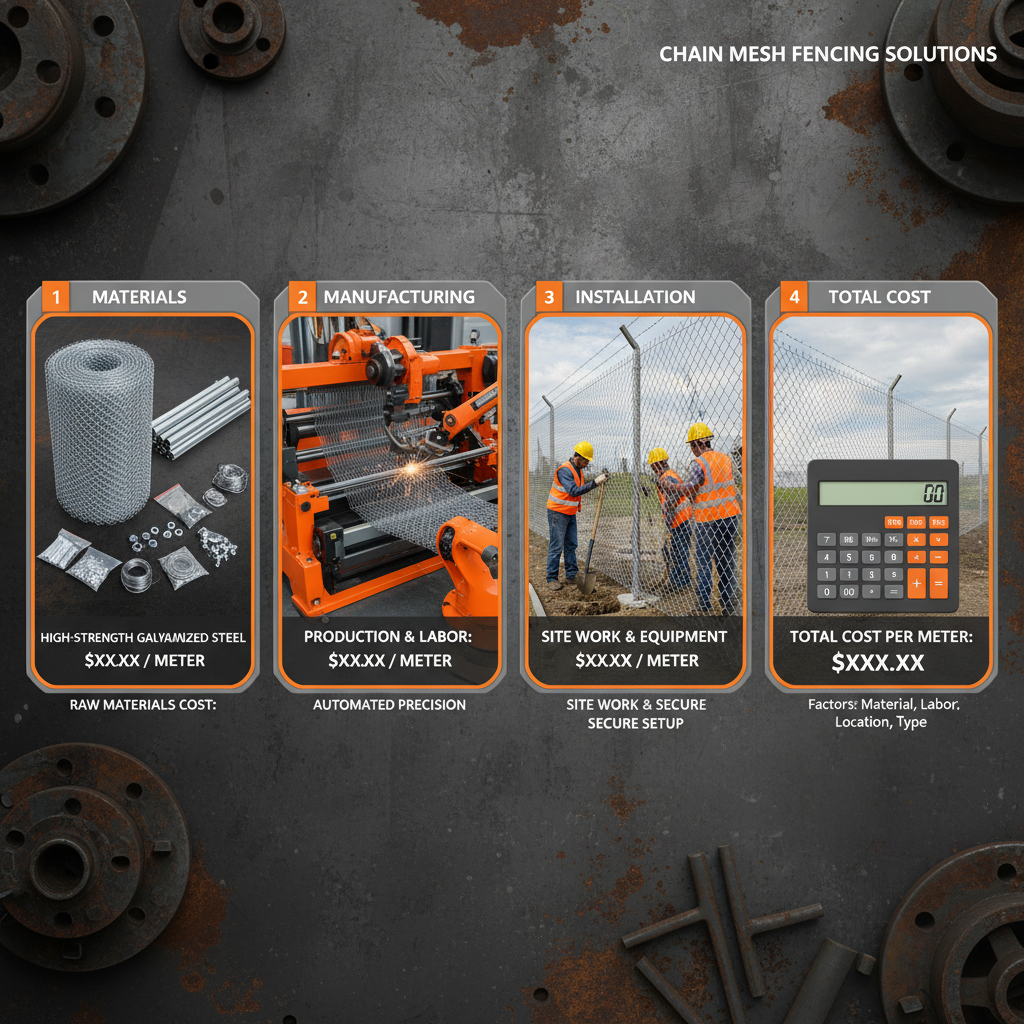
To get a realistic picture of your budget, you must look beyond the raw chain mesh fencing cost per metre. A complete installation includes several critical components: Line Posts, Corner Posts, Tension Bars, and Tension Bands. For instance, every 3 metres usually requires a line post, and each corner requires a reinforced terminal post. Additionally, labor costs can vary significantly based on the terrain—rocky soil increases the cost of digging post holes, while flat ground keeps installation fees lower.
Product Specifications and Pricing Tiers
Depending on your security needs, you may choose from different product tiers. Light-duty fencing is suitable for gardens, while heavy-duty options are required for industrial warehouses. Below is a detailed specifications table to help you identify which grade aligns with your projected chain mesh fencing cost per metre.
Ways to Reduce Your Total Fencing Expenditure
While you cannot change the market rate for the chain mesh fencing cost per metre, you can reduce the overall project cost through strategic planning. First, consider bulk purchasing directly from manufacturers to eliminate middleman markups. Second, opt for a standard height; custom heights often require specialized fabrication, which increases the price. Lastly, evaluate if certain sections of your perimeter require less security, allowing you to mix a heavy-duty mesh for the front and a more economical residential mesh for the sides.
Selecting the Right Supplier for Quality and Value
The lowest quote isn't always the best value. A cheap chain mesh fencing cost per metre may hide the use of underweight wire or inferior coatings that rust within two years. When selecting a supplier, verify their certifications and check the thickness of their galvanization. A reputable supplier will provide transparent pricing that includes the cost of all necessary hardware, ensuring there are no hidden surprises halfway through your installation project.
Conclusion: Balancing Cost and Security
Calculating the chain mesh fencing cost per metre is about more than just finding the cheapest price; it is about finding the right specification for your environment. Whether you prioritize the budget-friendly nature of galvanized steel or the long-term resilience of PVC coating, the key is to invest in quality materials that ensure lasting security. By considering gauge, height, and comprehensive hardware, you can build a perimeter that is both affordable and indestructible.
Frequently Asked Questions (FAQs)
How do I calculate the total amount of fencing I need?
To calculate the total material needed, start by measuring the total linear perimeter of the area you wish to enclose. Once you have the total length, multiply it by the chain mesh fencing cost per metre. Don't forget to add roughly 5-10% extra for waste and overlapping. Additionally, count the number of corners and gates, as these require specific terminal posts and hardware that are priced differently than standard line posts.
Does PVC coating significantly increase the price?
Yes, PVC coating generally increases the cost per metre compared to basic galvanized fencing. This is due to the additional manufacturing step of applying the polymer layer and the cost of the PVC material itself. However, the price increase is often justified for properties in humid or coastal climates, as PVC prevents the zinc layer from oxidizing, potentially doubling the lifespan of the fence and saving you money on replacement costs in the long run.
Which wire gauge is best for a high-security commercial fence?
For high-security commercial or industrial applications, we recommend a 6-gauge or 9-gauge wire. These are significantly thicker and more resistant to cutting or bending than the 11-gauge wire used in residential settings. While this will increase your chain mesh fencing cost per metre, it provides the structural integrity necessary to deter intruders and withstand heavy impacts, making it a necessary investment for critical infrastructure.
Can I install chain mesh fencing myself to save money?
Yes, it is possible to install it yourself, which eliminates labor costs. However, proper tensioning is the most difficult part of the process; if the mesh is too loose, it will sag, and if it is too tight, it can warp the posts. If you have the right tools—such as a fence stretcher and a post-hole digger—DIY installation can save you a significant amount. Otherwise, hiring a professional ensures the fence remains taut and secure for years to come.