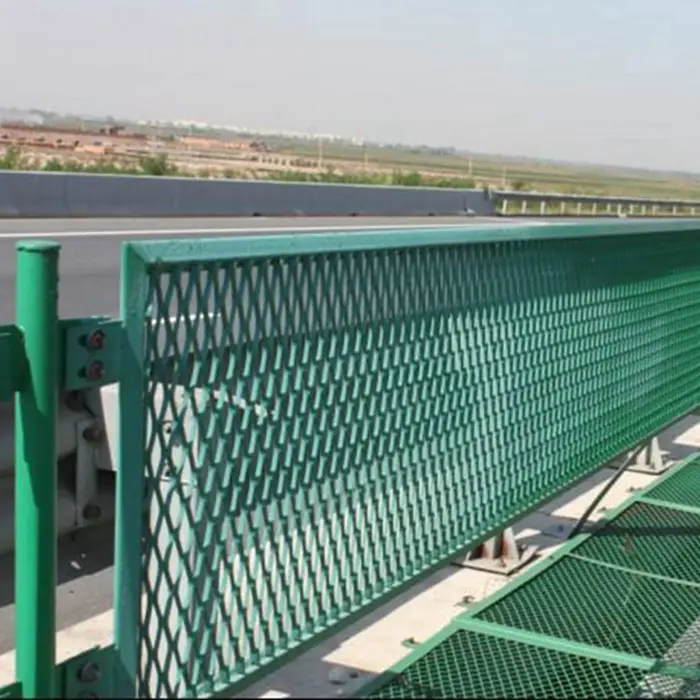

Understanding Chain Link Fence Extension Options
Expanding the height of your existing chain link fence is a cost-effective alternative to complete replacement. Whether you need added privacy, enhanced security, or simply want to contain pets more effectively, a chain link fence extension can be the perfect solution. This article will guide you through the various methods, materials, and considerations for extending your chain link fence, ensuring a secure and aesthetically pleasing result. We’ll explore the benefits, installation methods, and factors influencing the overall cost, offering you a comprehensive understanding of this valuable fencing upgrade.
Common Methods for Chain Link Fence Extension
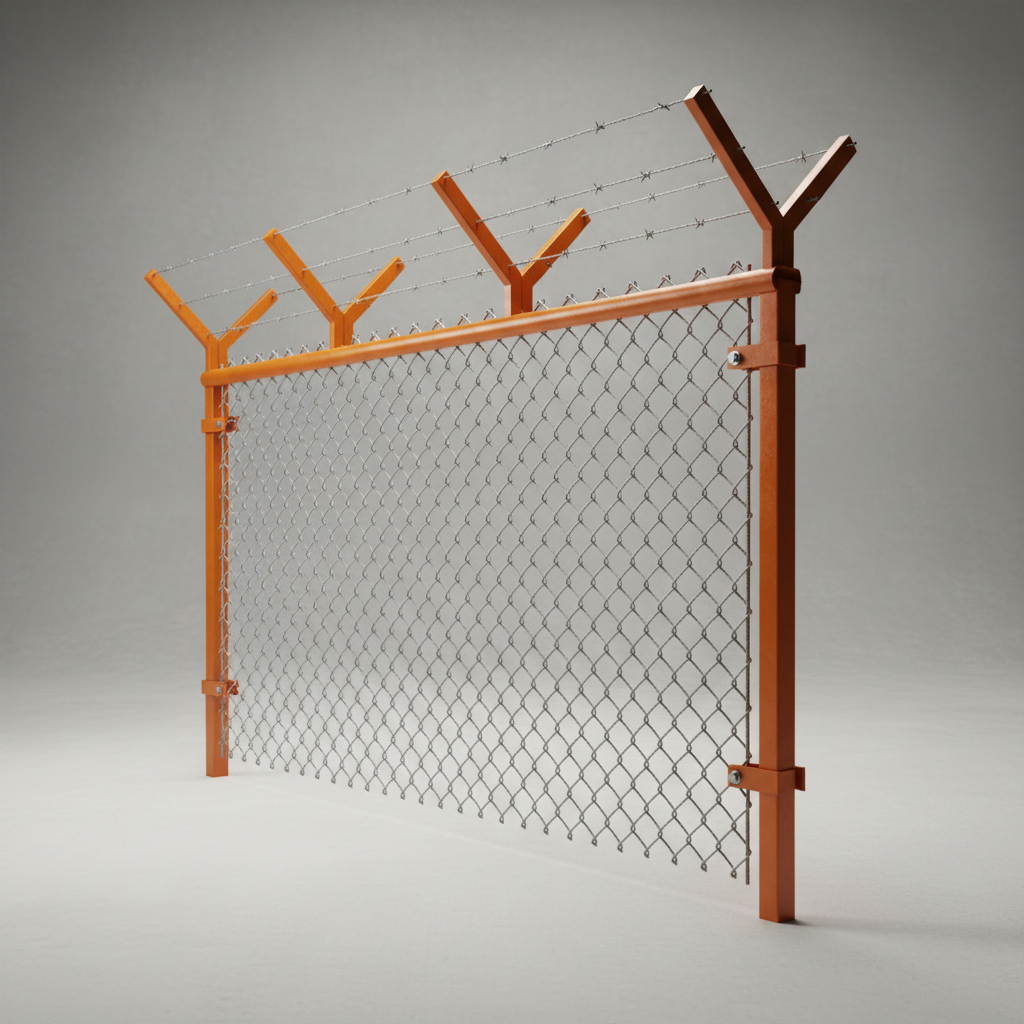
There are several ways to extend a chain link fence, each with its own advantages and disadvantages. The most common methods include using top rail extensions, adding a frame and mesh extension, and utilizing privacy slats. Top rail extensions are the simplest and most affordable option, but offer limited height increases. Frame and mesh extensions provide a more substantial height boost and maintain the chain link appearance. Privacy slats, while not strictly an extension, effectively increase perceived privacy and can visually heighten the fence. The best method depends on your specific needs and budget.
Key Considerations: Choosing the right method for your chain link fence extension hinges on the desired height increase, budget, and aesthetic preference.
Top Rail Extensions: A Simple Solution
Top rail extensions are metal sleeves that slide over your existing top rail, adding a few inches to the fence’s height. These are ideal for minor height adjustments (typically 12-24 inches) and are relatively easy to install. They are the most budget-friendly option, but they do not offer significant height increases. The extensions are usually galvanized steel to match the existing fence and are secured with set screws. Proper installation requires ensuring the extensions are level and securely fastened to prevent movement.
Advantages of Top Rail Extensions:
• Cost-effective
• Easy installation
• Minimal disruption to existing fence
• Maintains original fence appearance
Frame and Mesh Extensions: A Robust Chain Link Fence Extension
For more significant height increases, a frame and mesh extension is the preferred method. This involves constructing a new frame using chain link posts, top rails, and tension wire, then attaching chain link mesh to this frame. This new frame is then securely attached to the existing fence posts. This method provides a sturdy and aesthetically consistent extension. This option is more labor-intensive and expensive than top rail extensions, but it offers a substantial height increase and maintains the functionality of a traditional chain link fence.
Materials and Installation Considerations
When undertaking a chain link fence extension, using materials compatible with your existing fence is crucial. Galvanized steel is the standard choice, ensuring corrosion resistance and a consistent appearance. Proper installation requires securing the extension to the existing posts using bracing or additional supports. It's essential to maintain the tension in the chain link mesh to prevent sagging. Consider consulting with a professional fence installer if you're unsure about any aspect of the installation process.
Frequently Asked Questions (FAQs)
How much does a chain link fence extension typically cost?
The cost of a chain link fence extension varies significantly depending on the method used, the length of the fence, and the materials chosen. Top rail extensions are the most affordable, costing around $2-$5 per foot. Frame and mesh extensions are more expensive, ranging from $8-$15 per foot, including materials and labor. Labor costs will also vary by region. It's best to get quotes from multiple fencing contractors to compare pricing.
Can I extend a chain link fence on uneven ground?
Extending a chain link fence on uneven ground requires careful planning. You may need to step the extension posts to follow the contours of the land, creating a slightly terraced effect. Alternatively, you can adjust the height of the extension posts to maintain a consistent height above the existing fence line. Professional installation is highly recommended to ensure a safe and visually appealing result. Proper bracing and anchoring are essential to prevent instability.
What permits are required for extending a chain link fence?
Permit requirements vary by location. It's essential to check with your local building department to determine if a permit is required for extending your chain link fence. Factors that may trigger a permit requirement include the height of the extension, proximity to property lines, and local zoning regulations. Failure to obtain necessary permits can result in fines or the requirement to remove the extension.