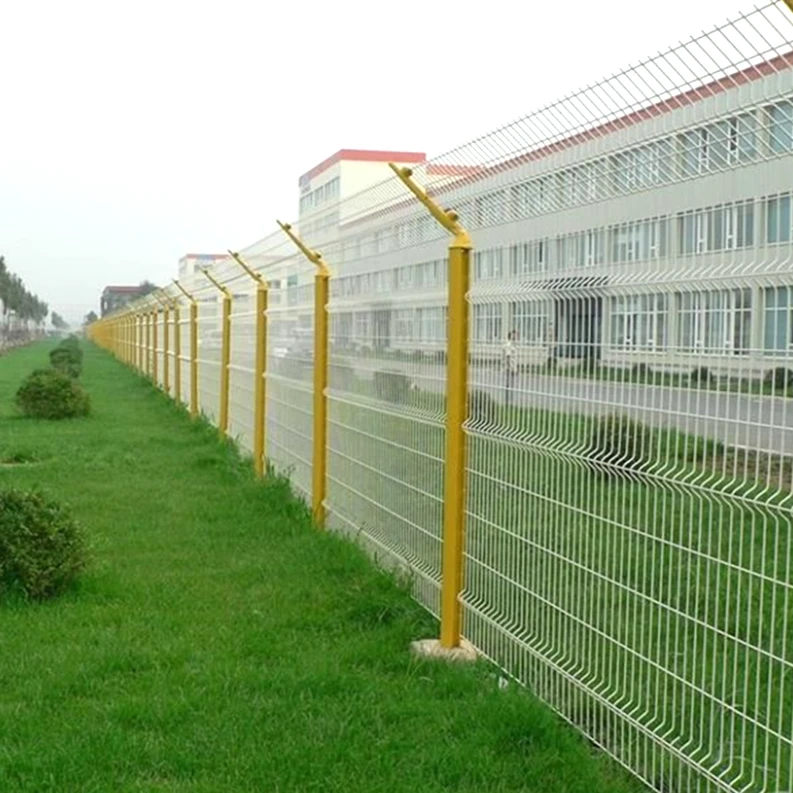

Premium 358 mesh fence Solutions for Libya


Apr 21,2026

Premium 358 mesh fence Solutions for Libya

High-security perimeter protection engineered for the demanding industrial and architectural landscapes of the Libyan market.

Premium 358 mesh fence Solutions for Libya

Providing advanced metal wire fencing systems designed to withstand extreme climates while ensuring maximum security for critical infrastructure across Libya.

{Product List Placeholder 1}

The Current State of Metal Fencing in Libya

Analyzing the impact of environmental stressors and security needs on Libyan wire mesh infrastructure.

In Libya, the demand for robust metal wire fence systems is driven by the need to protect oil installations, government buildings, and residential complexes. The region's coastal salinity and desert humidity create a highly corrosive environment, making standard galvanized coatings insufficient for long-term durability.

Current market trends show a shift away from traditional barriers toward high-security wire mesh fence options. There is an increasing emphasis on "anti-climb" and "anti-cut" specifications to prevent unauthorized access in sensitive border areas and industrial zones.

Furthermore, the reconstruction of urban centers has spiked the requirement for construction wire mesh, where structural integrity and precision in reinforcement are paramount for the longevity of new architectural projects in Tripoli and Benghazi.
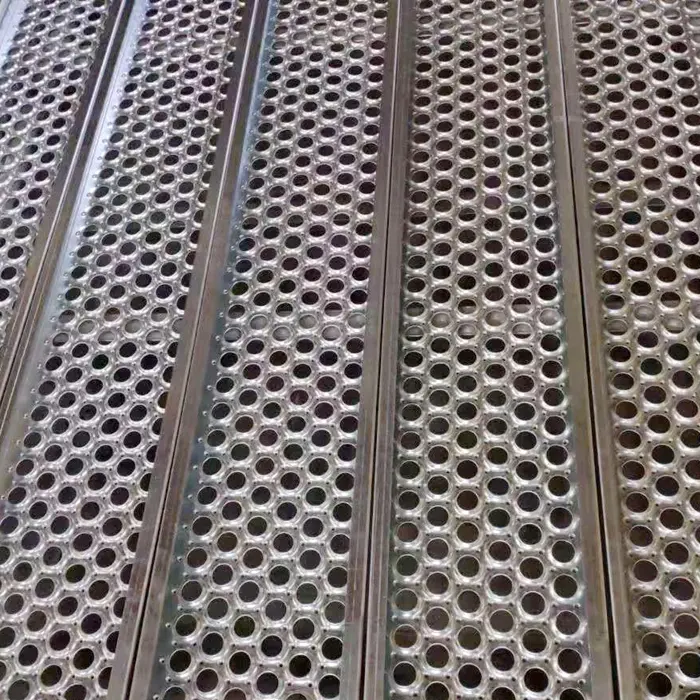
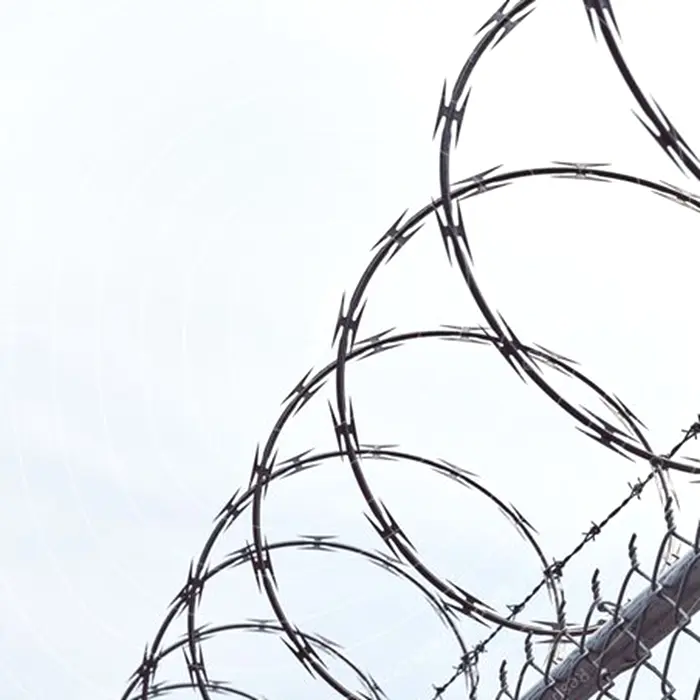
Evolution of Fencing Technology in Libya

From basic boundaries to high-tech security barriers: a technical trajectory.

Market Development History

During the early industrialization phase (pre-2000s), Libya primarily relied on simple woven mesh fence solutions, which offered basic demarcation but limited security and low resistance to the harsh Saharan climate.

Between 2010 and 2020, the transition toward specialized safety products began. The introduction of hot-dip galvanization and PVC coating allowed fences to resist salt spray, while the need for higher security led to the adoption of denser mesh patterns.

From 2021 to the present, the focus has shifted to "Smart Perimeter Protection," integrating high-tensile steel and precise welding technologies to create barriers that are virtually impossible to penetrate without heavy machinery.

Future Development Trends

Anti-Corrosive Nano-Coatings

Expect a move toward polymer-based nano-coatings that provide a permanent shield against the Libyan desert's abrasive sandstorms and coastal salt.

Modular Installation Systems

The adoption of rapid-deployment modular panels will reduce installation time for remote oil field sites, minimizing labor costs in harsh environments.

Integrated Sensor Mesh

Integration of fiber-optic sensors within the wire structure to provide real-time intrusion alerts for high-value assets.

Industry Trends and Future Outlook

Strategic projections for the Libyan security and construction wire market.

Extreme Durability Standards
Shift towards ZAM coatings and high-zinc alloys to counter Libyan salinity.
Anti-Climb Specialization
Growing demand for tight-aperture mesh to prevent tool insertion.
Eco-Friendly Sourcing
Increased use of recycled steel for sustainable construction projects.
Automated Fabrication
CNC welding to ensure zero-defect joints for critical security fences.

Industry Outlook

Based on Google search trends for security infrastructure in North Africa, there is a clear trajectory toward "high-security" and "weather-resistant" keywords. Libya's focus on stabilizing its oil sector will likely accelerate the adoption of specialized perimeter systems over the next 3-5 years.

We anticipate that the convergence of physical barriers and digital surveillance will become the standard, moving the industry from passive fencing to active security ecosystems.

Localized Application Scenarios in Libya

Real-world deployments of our mesh systems across Libyan territories.

1. Oil Refinery and Terminal Security

Deploying high-security mesh to protect critical energy assets from unauthorized entry and sabotage in the Sirte Basin.

2. Coastal Infrastructure Protection

Using salt-resistant coatings on metal wire systems to secure ports and desalination plants along the Mediterranean coast.

3. Urban Residential Gating

Implementing elegant yet strong woven mesh for private villas and luxury developments in Tripoli.

4. Industrial Warehousing

Installing heavy-duty perimeter fences for logistics hubs to ensure secure storage of imported goods.

5. Concrete Reinforcement for Bridges

Utilizing precision-engineered mesh for the reconstruction of key transport bridges and highways connecting Libyan cities.

Brand Story

Global Development Journey of Anping Dongjie Wire Mesh Products Co., Ltd.

Foundation of Excellence

Established in the heart of China's wire mesh capital, focusing on the purity of materials and the precision of the weave.

Technical Innovation

Investing in automated welding and coating technologies to solve the industry's most persistent corrosion problems.

Global Expansion

Extending our reach to Africa, specializing in the extreme climates of the MENA region with tailored product lines.

Strategic Partnerships

Collaborating with international contractors to deliver large-scale security projects for government and energy sectors.

Commitment to Safety

Our mission remains clear: to provide impenetrable security solutions that safeguard people and assets worldwide.

Comprehensive Fencing Portfolio for Libya

A full suite of wire products engineered for the Libyan market's unique requirements.

{Product List Placeholder 2}

Common Questions for Libyan Clients

Expert answers regarding the selection and maintenance of wire mesh systems.

Which wire mesh fence is best for salt-heavy coastal areas in Libya?

For coastal regions, we recommend hot-dip galvanized mesh with an additional PVC or powder coating to provide a dual layer of protection against saline corrosion.

Is 358 mesh fence actually anti-climb?

Yes, its extremely small apertures prevent finger and toe holds, making it one of the most secure anti-climb options available for high-security zones.

What is the lifespan of a woven mesh fence in the Libyan desert?

Depending on the coating quality, a high-grade galvanized woven mesh can last 15-25 years, provided it is inspected for sand-abrasion damage periodically.

How do I choose the right gauge for construction wire mesh?

The gauge should be selected based on the load-bearing requirements of the concrete structure; we provide detailed technical charts to match gauge with structural specs.

Can a metal wire fence be customized for specific heights in Libya?

Absolutely. We offer full customization of height and width to meet the specific security protocols of your site.

What is the lead time for shipping high-security mesh to Libya?

Lead times vary by order volume, but we optimize our logistics chain to ensure timely delivery to major Libyan ports.

Secure Your Perimeter Today

Get expert consultation for your high-security fencing projects in Libya. Our engineers are ready to provide a tailored solution.

Contact Us Now
Prev
Next
request a quote

Complete control over the product enables us to ensure Customers receive the highest quality prices and services. we Take pride in everything we do to serve our customers.

steel fencing suppliers

If you are interested in our products, you can choose to leave your information here, and we will be in touch with you shortly.