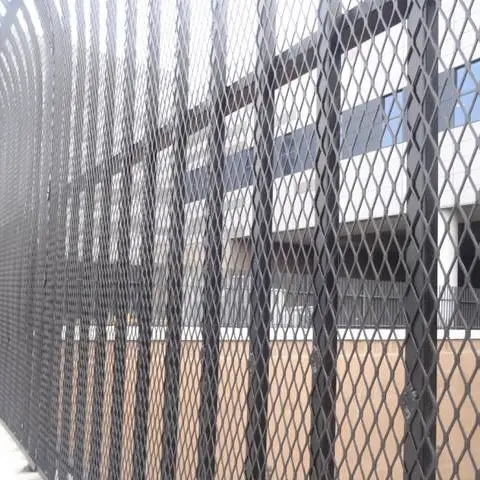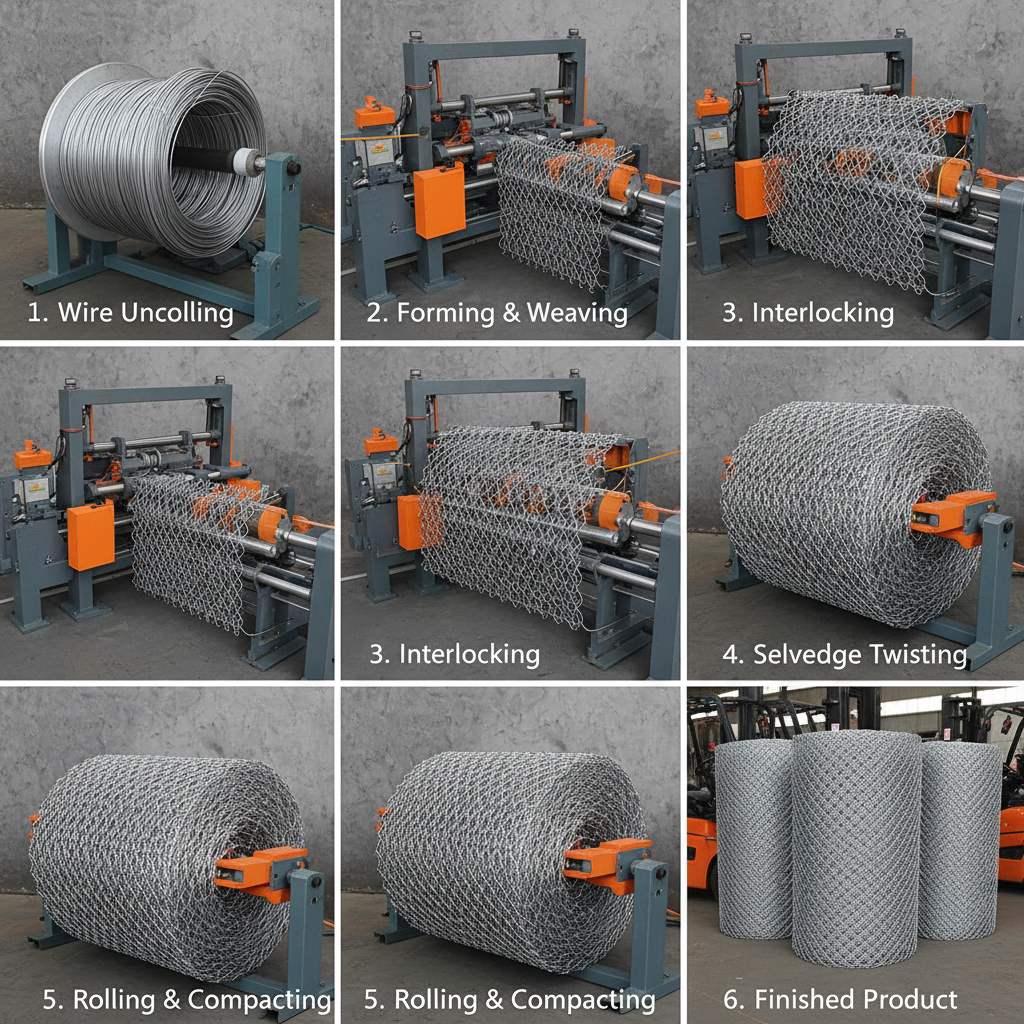

HighSecurity 358 mesh fence Solutions for Iran Infrastructure


Apr 21,2026

High-Security 358 mesh fence Solutions for Iran Infrastructure

Providing industrial-grade security and construction reinforcement tailored for the diverse climatic and geological demands of the Iranian market.

High-Security 358 mesh fence Solutions for Iran Infrastructure

Specializing in anti-climb and anti-cut metal barriers that ensure maximum protection for critical assets and construction sites across Iran.

{Product List Placeholder 1}

Current State of Security Fencing in Iran

Analyzing the intersection of environmental challenges and security needs in the Iranian metal products sector.

Iran's geographical landscape, ranging from humid coastal areas to arid central deserts, creates a severe corrosive environment for metal wire fence systems. The industry is currently shifting from basic galvanized options to high-performance coatings to combat salt-spray corrosion and extreme temperature fluctuations.

In the industrial hubs of Tehran and Isfahan, there is an increasing demand for high-security barriers. The transition toward wire mesh fence products with smaller apertures is driven by the need to secure energy plants and government installations against unauthorized access.

Furthermore, the booming infrastructure sector has revitalized the use of construction wire mesh. Local contractors are moving away from manually tied wires toward machine-welded precision grids to increase the structural integrity of concrete reinforcements in seismic-prone regions.
Evolution of Metal Wire Technology in Iran

From traditional hand-woven grids to automated high-security mesh systems.

Market Development History

During the 1990s, the Iranian market relied heavily on traditional woven mesh fence, primarily used for agricultural boundaries and basic livestock containment, characterized by low tensile strength and simple galvanization.

By the mid-2000s, the industrialization of the oil and gas sectors triggered a shift toward welded mesh. This era saw the introduction of heavier gauge wires and the first wave of standardized security fencing to protect strategic energy assets.

From 2015 to the present, there has been a leap toward "prison-grade" security. The adoption of the "358" standard (meaning 3" x 0.5" x 8 gauge) has become the benchmark for anti-climb requirements in urban security projects.

Future Development Trends

Smart Integration

Integration of fiber-optic sensors directly into the mesh to provide real-time intrusion detection for border and critical facility security.

Nano-Coating Evolution

Adoption of nano-ceramic coatings to replace traditional PVC, offering superior UV resistance against the intense Iranian sun.

Sustainable Metallurgy

A shift toward recycled high-tensile steel to reduce the carbon footprint of large-scale construction projects without compromising strength.

Industry Trends and Future Outlook

Strategic forecasts for the metal wire and security fencing sector in the Middle East.

High-Tensile Specialization
Increased demand for steel with higher yield strength to reduce material volume while maintaining structural rigidity.
Anti-Corrosive Innovation
Transitioning to zinc-aluminum-magnesium (ZAM) coatings to handle the saline environment of the Caspian and Persian coasts.
Modular Installation
Development of quick-lock panel systems to reduce on-site labor costs and installation time for large perimeters.
Urban Aesthetic Integration
Balancing high-security specifications with architectural designs for luxury residential and commercial zones.

Industry Outlook

Based on Google search trends in the Middle East, there is a growing volume of queries relating to "anti-climb" and "high-security fencing," indicating a shift from basic boundary marking to active security deterrence.

Over the next 3-5 years, we expect the Iranian market to prioritize integrated systems where metal wire fence is combined with biometric access control and AI-driven surveillance, creating a holistic security perimeter.

Local Application Scenarios in Iran

Real-world implementations of our wire products across various Iranian sectors.

01. Oil & Gas Facility Perimeter Security

Utilizing high-density 358 mesh to protect refineries and pipeline stations from intrusion, ensuring that the small apertures prevent finger-holds and tool insertion.

02. Tehran Urban Infrastructure Projects

Implementation of heavy-duty construction wire mesh for seismic reinforcement in high-rise residential buildings and subway expansions.

03. Industrial Zone Zoning in Isfahan

Deploying galvanized wire mesh fence to demarcate plots and secure machinery warehouses in large-scale manufacturing parks.

04. Agricultural Border Protection in Mazandaran

Installation of durable woven mesh fence designed to withstand high humidity and protect high-value crops from livestock and wildlife.

05. Military and Government Installations

Deploying top-of-fence security enhancements and reinforced metal barriers to ensure maximum deterrence for high-security government zones.

Brand Story

Global Development Journey of Anping Dongjie Wire Mesh Products Co., Ltd.

Foundational Excellence

Established in the heart of China's wire mesh capital, focusing on the precision manufacture of industrial metal grids.

Technical Diversification

Expanding production lines to include high-security 358 mesh and specialized construction reinforcement products.

Global Market Entry

Successfully penetrating the Middle Eastern market by adapting products to extreme heat and corrosive environments.

Quality Standardization

Achieving international certifications to ensure that every roll of mesh meets rigorous global safety and strength standards.

Future-Ready Vision

Committing to smart-fencing research and sustainable steel sourcing to lead the next generation of security barriers.

Comprehensive Product Portfolio for the Iran Market

A full range of metal wire solutions designed for security, construction, and industrial demarcation.

{Product List Placeholder 2}

Common Questions for Wire Mesh in Iran

Expert answers to the most frequent technical and logistical queries from our Iranian partners.

Which 358 mesh fence coating is best for coastal areas in Iran?

For coastal regions like Bandar Abbas, we recommend a Hot-Dip Galvanized finish combined with a high-grade PVC or powder coating to prevent salt-air corrosion.

How does construction wire mesh improve seismic resistance in buildings?

Our welded mesh provides uniform load distribution and prevents concrete shrinkage cracks, which is critical for structural stability during seismic events common in Iran.

What is the difference between woven mesh fence and welded mesh for industrial use?

Woven mesh is more flexible and better for agricultural use, whereas welded mesh offers superior rigidity and security, making it the preferred choice for industrial perimeters.

Can a metal wire fence be customized for extreme heat?

Yes, we utilize UV-stabilized polymers for coatings that do not crack or peel under the intense solar radiation found in central Iranian plateaus.

What are the standard delivery lead times for bulk orders to Iran?

Lead times vary by volume, but typically range from 15 to 30 days, including precision manufacturing and specialized export packaging for long-distance transit.

Is the anti-climb mesh truly effective against professional intruders?

Absolutely. The 358 mesh design eliminates footholds and is too narrow for most cutting tools to gain leverage, significantly increasing the time required for any breach attempt.

Secure Your Infrastructure Today

Contact our engineering team for customized security and construction wire solutions tailored for Iran.

Contact Us Now
Prev
Next
request a quote

Complete control over the product enables us to ensure Customers receive the highest quality prices and services. we Take pride in everything we do to serve our customers.

steel fencing suppliers

If you are interested in our products, you can choose to leave your information here, and we will be in touch with you shortly.