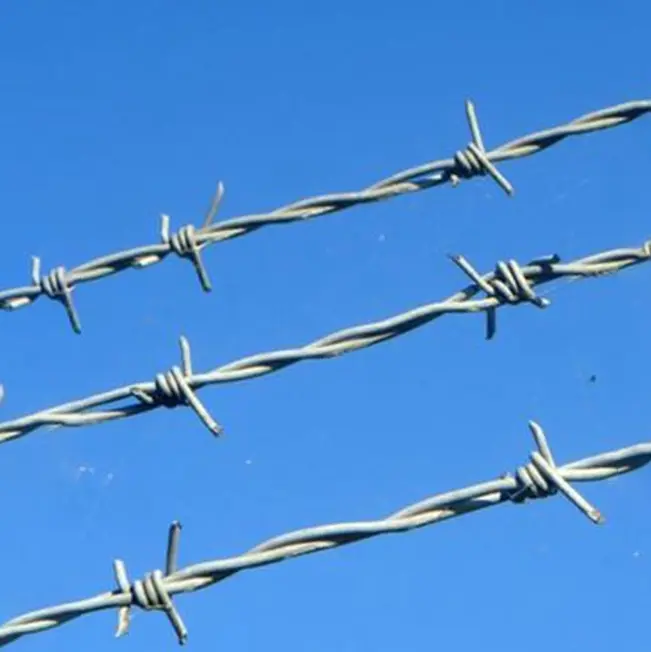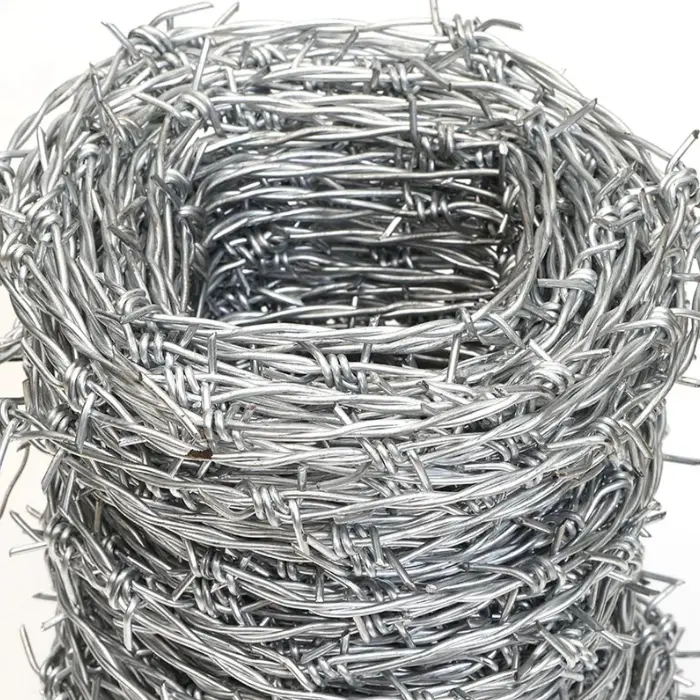

Understanding galvanized wire netting: The backbone of versatile industrial fencing
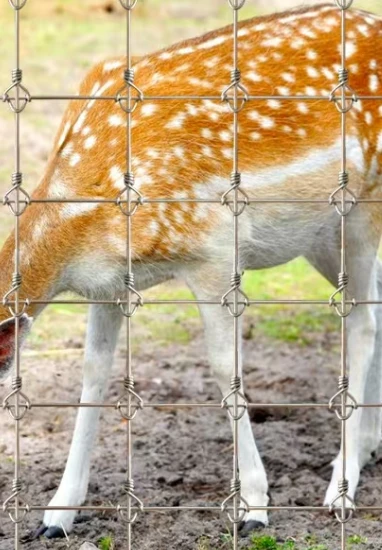
After spending over a decade in the industrial equipment sector, I’ve grown to truly appreciate the humble strength of galvanized wire netting. At first glance, it might seem like just another wire mesh, but oddly enough, it’s a product that quietly holds countless applications together. From construction sites to agricultural fencing, the versatility and resilience galvanized wire netting offers is nothing short of impressive.
What really stands out about galvanized wire netting is its coating process. The steel wire undergoes galvanization — typically by hot-dip methods — where zinc covers the surface to protect it against rust and corrosion. Honestly, in field conditions where exposure to moisture and harsh weather is practically guaranteed, this coating is a lifesaver. You rarely get to see the detrimental effects of rust if the galvanization is done right, which isn’t an exaggeration.
One thing I noticed early on is how the mesh size and wire gauge can completely change the end use. For example, tighter weaves with thinner wire usually serve well for insect-proof enclosures or fine sieving, whereas heavier gauge with wider spacing is often suited for heavy-duty fencing or concrete reinforcement. This customization is both a blessing and a slight headache — ordering the right specs means you really need to know your application.
Galvanized Wire Netting Product Specifications
| Specification | Details |
|---|---|
| Material | Low carbon steel wire |
| Galvanization | Hot-dip zinc coating (40-275 g/m²) |
| Wire gauge | 18 to 12 SWG (1.22mm to 2.64mm) |
| Mesh sizes | 6mm to 50mm openings (square or rectangular) |
| Roll lengths | 10m to 50m per roll |
| Finish | Bright and dull options available |
One customer I recall was in the poultry business, needing a durable yet lightweight solution to keep their coops secure. We settled on a galvanized wire netting with a fine 12mm mesh and a mid-range wire gauge. It’s these small nuances that matter because it guaranteed plenty of airflow while resisting pecking damage and the elements for years. It’s a seemingly simple choice, but in real terms, these decisions spell the difference between ongoing maintenance headaches and smooth operations.
Comparing Leading Galvanized Wire Netting Vendors
| Vendor | Galvanization Method | Wire Gauge Range | Mesh Size Options | Custom Orders |
|---|---|---|---|---|
| FencingWireMesh.com | Hot-dip galvanization | 18-12 SWG | 6mm–50mm | Yes |
| SteelMESH Inc. | Electro-galvanization | 20-14 SWG | 10mm–40mm | Limited |
| WirePro Solutions | Hot-dip galvanization | 19-13 SWG | 8mm–45mm | Yes |
Honestly, brand selection comes down to a few factors: depth of customization, consistency in galvanizing thickness, and delivery. In my experience, FencingWireMesh.com nails those with really solid production controls and plenty of size options. Many engineers I know swear by their reliability plus prompt support — critical if you’re on a tight schedule.
On the testing front, galvanized wire netting usually undergoes salt spray tests to ensure corrosion resistance. It’s one of those quiet assurances you get that what you’re installing won’t just rust out after a season or two. I suppose it feels good knowing your fencing isn’t just cheap plastic imitation, but built to last with industry-standard quality.
So, what’s the takeaway here? If you’re picking galvanized wire netting for your next project, choose wisely, gauge your needs carefully, and don’t overlook the coating quality. It might not be flashy, but it’s a workhorse that keeps fences strong, animals safe, and sites secure. And frankly, in this line of work, that kind of reliability goes a long way.
References:
1. ASTM A641-20 – Zinc-Coated Steel Wire Specifications
2. International Zinc Association – Corrosion Protection Guidelines
3. "Wire Mesh and Industrial Applications," Industrial Equipment Journal, 2022