
Chain Link Installation: A Comprehensive Guide
Installing a chain link fence is a cost-effective and secure way to protect your property. From residential yards to commercial boundaries, a properly installed chain link fence offers durability and long-lasting performance. This guide covers everything you need to know about chain link installation, ensuring a successful project. We’ll detail the necessary materials, step-by-step instructions, and important considerations for a strong and reliable fence. Understanding the process will empower you to tackle the installation yourself or effectively oversee a professional installation team.
Essential Materials for Chain Link Installation
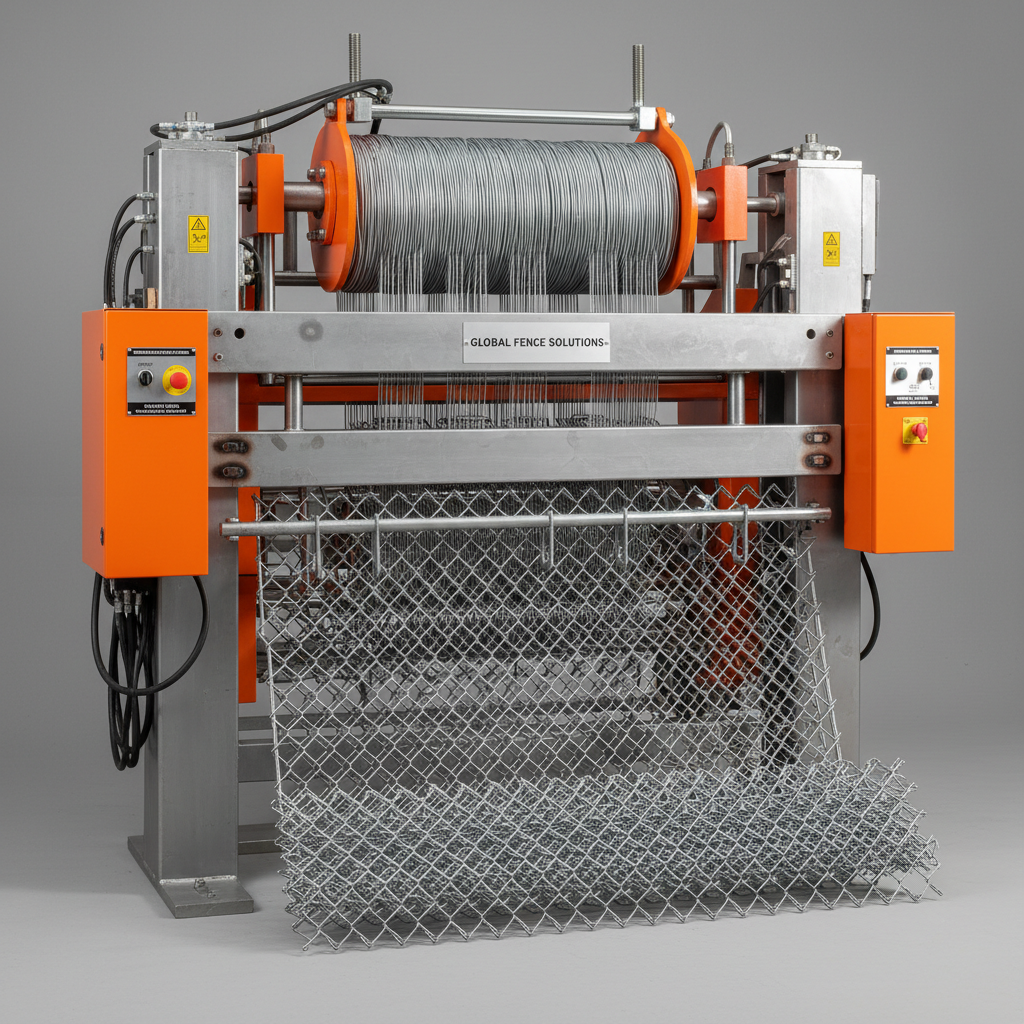
Before beginning your chain link fence project, gather all necessary materials. These include chain link fabric, line posts, terminal posts, top rail, tension bands, tension bars, brace bands, tie wires, and hardware for gate installation if applicable. Don't forget concrete mix for setting the posts. The quality of materials directly impacts the fence's lifespan and stability, so choosing reputable suppliers like Fencing Wire Mesh is crucial. Accurate material calculation is vital to avoid shortages or waste.
Key Considerations: Choosing the right gauge of chain link fabric and the appropriate post size based on fence height and terrain conditions is essential for a secure and durable installation.
Step-by-Step Chain Link Installation Guide
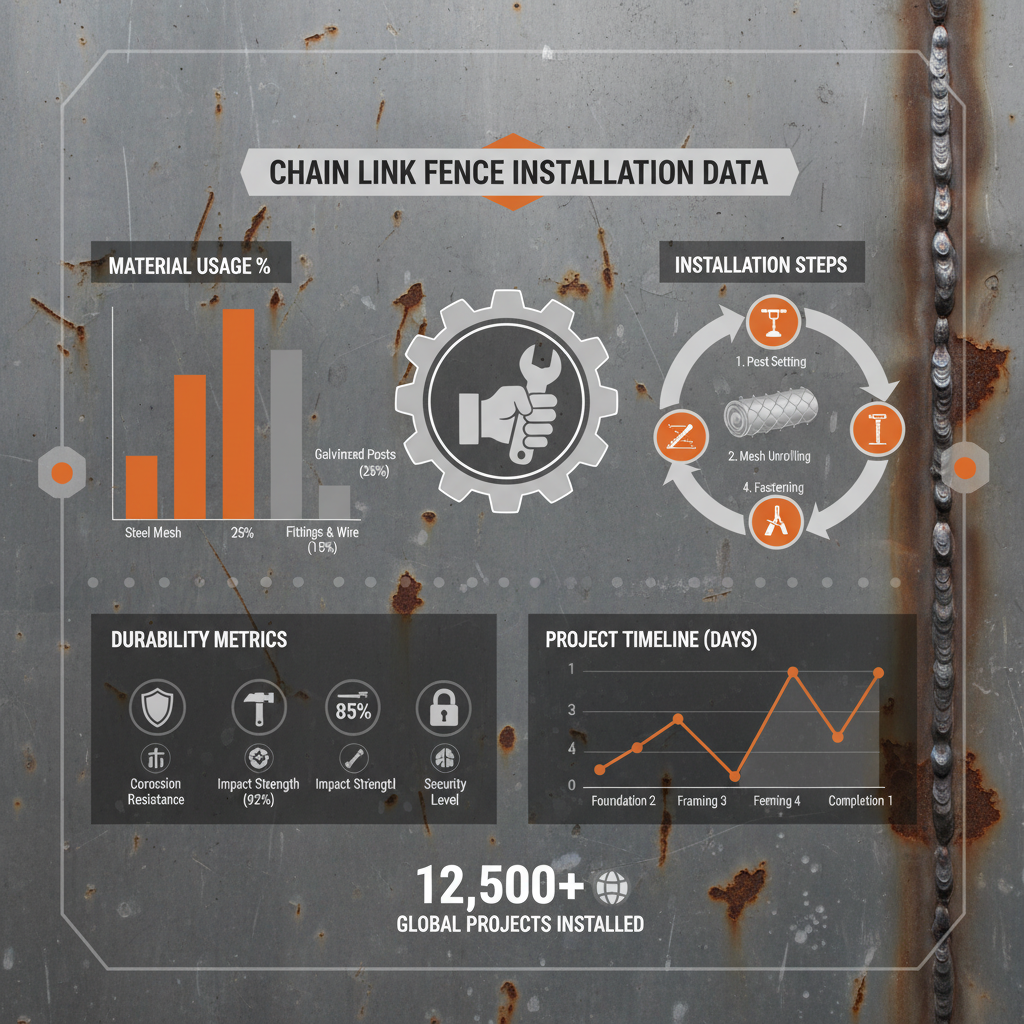
The installation process begins with setting the posts. Dig holes for line posts and terminal posts, ensuring they are deep enough to provide stability (typically 2-3 feet). Pour concrete around the posts, ensuring they are plumb. Once the concrete sets, install the top rail, securing it to the posts with brace bands. Next, unroll the chain link fabric and attach it to the tension bars. Use tension bands to stretch the fabric taut, securing it to the terminal posts. Finally, install any gates, ensuring they swing smoothly and latch securely. Proper tensioning of the fabric is crucial for preventing sagging and maintaining the fence's integrity.
Installation Checklist:
• Dig post holes to the correct depth.
• Set posts in concrete and ensure they are plumb.
• Install top rail and secure with brace bands.
• Attach chain link fabric to tension bars and stretch taut.
• Install gates and ensure proper operation.
Chain Link Installation: Post Spacing & Height Guide
Proper post spacing is crucial for a stable chain link fence. Typically, line posts are spaced 8-10 feet apart. Terminal posts, which bear the brunt of the tension, require greater strength and should be spaced no more than 12 feet apart. Fence height dictates post size – taller fences require larger diameter posts and deeper concrete footings. Refer to the table below for a general guide:
Comparing Chain Link to Other Fencing Options
When considering fencing options, chain link offers a unique balance of cost, security, and durability. Compared to wood fences, chain link requires less maintenance and is more resistant to rot and insect damage. While wrought iron provides a more decorative aesthetic, it's significantly more expensive. Vinyl fencing offers low maintenance but can be brittle and more susceptible to impact damage. Choosing the right fence depends on your specific needs and budget.
Maintaining Your Chain Link Fence
Regular maintenance will extend the lifespan of your chain link fence. Periodically inspect the fence for rust, especially in coastal areas. Apply a rust-resistant coating as needed. Check tension bands and tie wires, replacing any that are damaged or loose. Clear vegetation growing around the fence line to prevent corrosion and maintain visibility. With proper care, your chain link fence will provide years of reliable service. For high-quality materials and expert advice, explore the offerings at Fencing Wire Mesh.
Conclusion: A Secure Investment
Investing in a properly installed chain link fence offers a practical and effective solution for securing your property. With careful planning, the right materials, and adherence to proper installation techniques, you can enjoy a durable and reliable fence for years to come. Don’t hesitate to consult with professionals or utilize the resources available at Fencing Wire Mesh for guidance throughout the process.
Frequently Asked Questions (FAQs)
What is the average cost of chain link fence installation?
The cost of chain link fence installation varies depending on several factors, including the length of the fence, the height of the fence, the gauge of the chain link fabric, and the terrain. Generally, you can expect to pay between $15 and $30 per linear foot for materials and installation. Labor costs can also vary by region. Getting quotes from multiple installers is recommended to ensure a competitive price. Remember that choosing high-quality materials from a reputable supplier like Fencing Wire Mesh can save you money in the long run by reducing the need for repairs or replacements.
How long does a chain link fence typically last?
With proper installation and maintenance, a chain link fence can last for 20-30 years or even longer. Galvanized steel chain link is highly resistant to rust and corrosion, contributing to its longevity. Regular inspections and timely repairs can further extend the fence's lifespan. Factors such as climate, exposure to salt air (in coastal areas), and the quality of materials used will all influence the fence’s durability.
Can a chain link fence be installed on sloped terrain?
Yes, a chain link fence can be installed on sloped terrain, but it requires careful planning and execution. Stepped installations, where the fence follows the contours of the slope, are common. Alternatively, racking (angling the fence panels to follow the slope) can be used, but this may require additional support posts. Proper post depth and concrete footings are crucial on sloped ground to ensure stability. Consulting with a professional fence installer is recommended for complex slopes.
What permits are required for chain link fence installation?
Permit requirements for fence installation vary depending on your location and local regulations. It’s essential to check with your city or county planning department before starting any fence project. Factors such as fence height, proximity to property lines, and zoning regulations can all influence permit requirements. Failure to obtain the necessary permits can result in fines or the need to remove the fence.