
Soundproof Barrier: A Comprehensive Guide to Noise Reduction
In today’s increasingly noisy world, effective noise control is essential for protecting health, improving productivity, and ensuring a peaceful environment. A soundproof barrier is a crucial solution for mitigating noise pollution in various settings. This article will explore the benefits, applications, types, and key considerations when choosing a soundproof barrier. Whether you're addressing highway noise, industrial sounds, or commercial disturbances, understanding these barriers is the first step towards creating a quieter, more comfortable space.
Why Invest in a Soundproof Barrier?
The benefits of installing a soundproof barrier are numerous. Beyond simply reducing noise levels, these barriers contribute significantly to overall well-being. Exposure to excessive noise can lead to stress, sleep disturbances, and even long-term health problems. By minimizing noise intrusion, you create a more conducive environment for work, rest, and recreation. For businesses, reduced noise can boost employee productivity and decrease the risk of noise-related compensation claims. In residential areas, it enhances quality of life and potentially increases property values. Investing in a barrier is investing in peace and health.
Key Benefits: Improved health & well-being, increased productivity, enhanced quality of life, potential property value increase, reduced stress levels.
Types of Soundproof Barriers
Soundproof barriers come in a variety of materials and designs, each offering different levels of noise reduction and suitability for specific applications. Common types include concrete barriers, earth berms, timber walls, and noise barrier fences made from materials like fiberglass, acrylic, or recycled rubber. The effectiveness of a barrier depends on its height, length, density, and construction. Factors like the frequency of the noise and the distance to the source also play a role. Choosing the right material and design is critical for optimal performance. Fencing Wire Mesh offers a variety of options tailored to different noise reduction needs.
Common Sound Barrier Materials:
• Concrete: High density, excellent noise reduction, but can be visually imposing.
• Earth Berms: Natural, cost-effective, but require significant land space.
• Timber: Aesthetically pleasing, moderate noise reduction, requires regular maintenance.
• Fiberglass/Acrylic: Lightweight, high performance, often used in urban areas.
Understanding Sound Transmission Loss (STL)
A key metric for evaluating soundproof barriers is Sound Transmission Loss (STL). STL measures the reduction in sound energy that passes through a barrier. Higher STL values indicate better noise reduction. The STL of a barrier is influenced by its material, thickness, and construction. Different frequencies of sound are attenuated to varying degrees, so STL is usually measured across a range of frequencies. When selecting a soundproof barrier, consider the specific frequencies of the noise you are trying to block. For example, low-frequency noise from traffic requires a denser barrier than high-frequency noise from machinery.
Applications of Soundproof Barriers
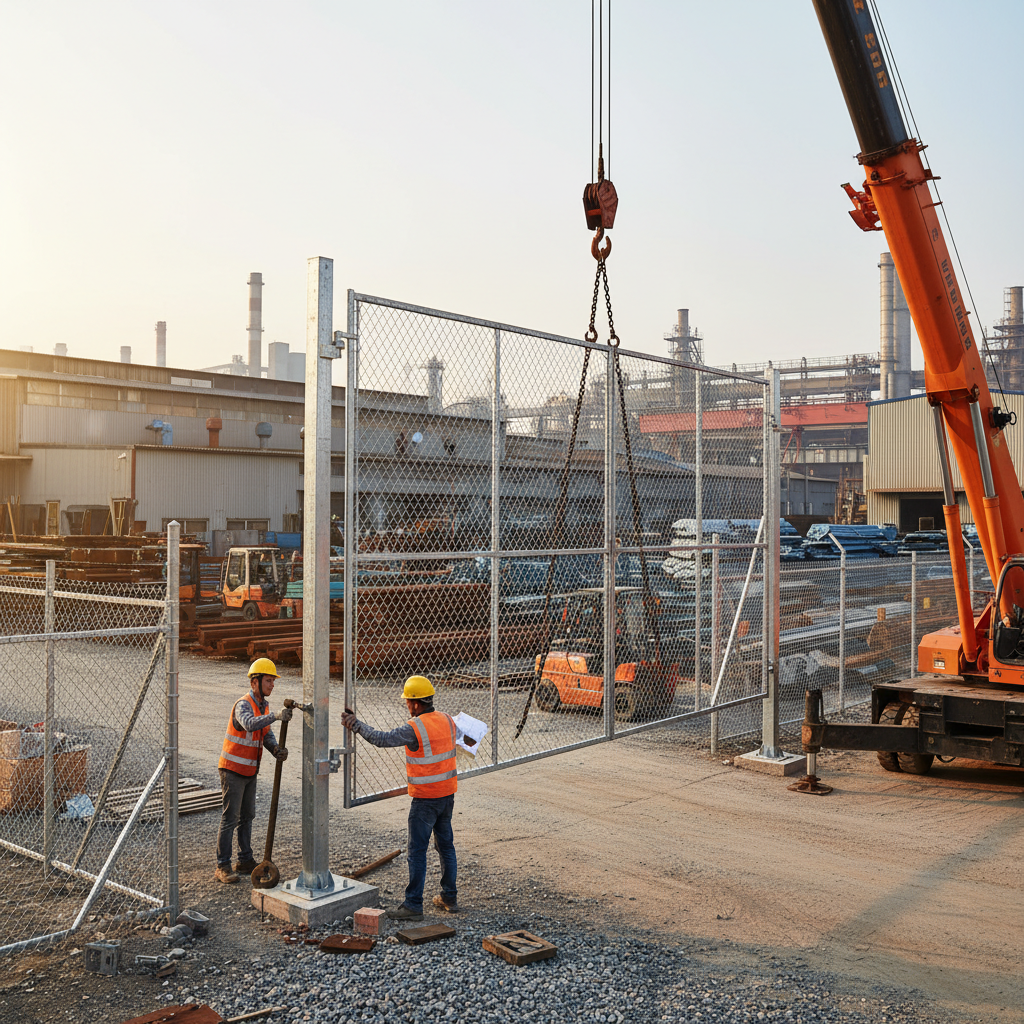
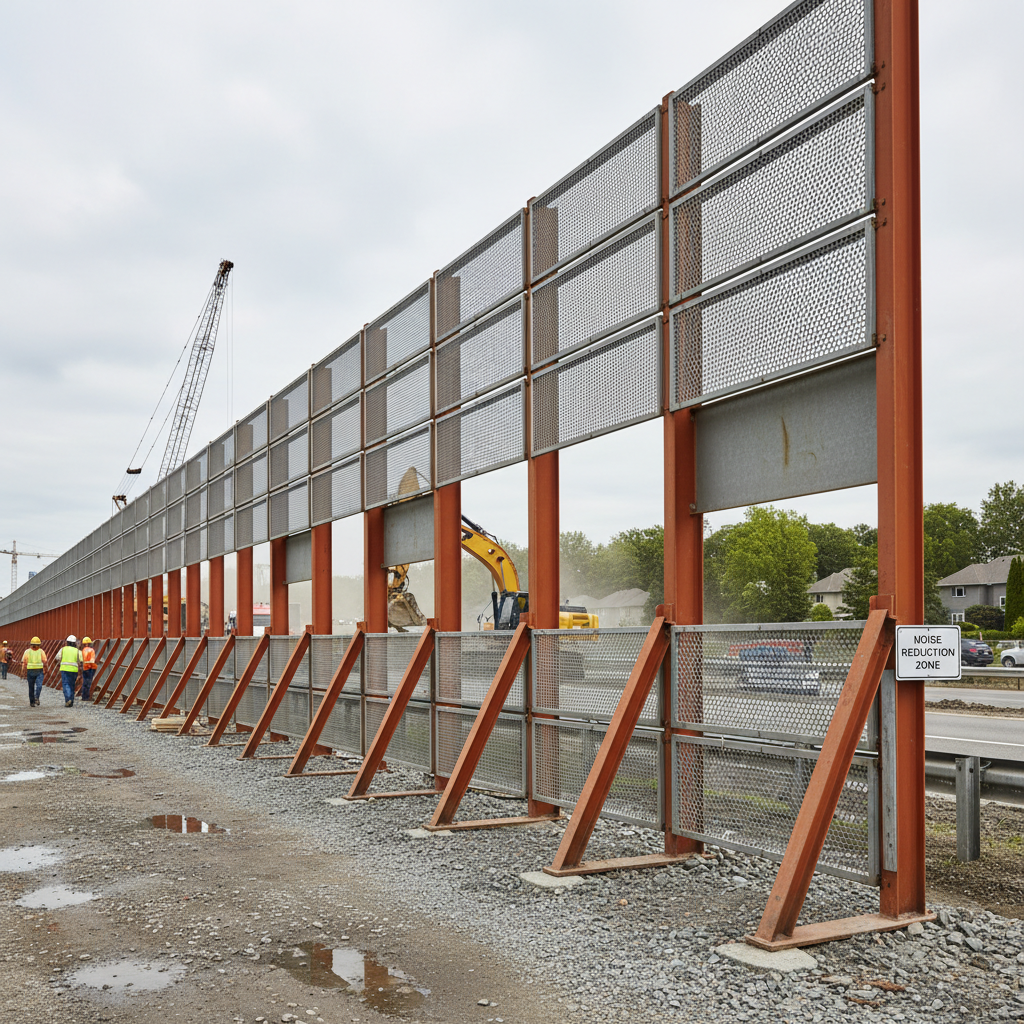
The applications for soundproof barriers are incredibly diverse. Along highways, they mitigate traffic noise for nearby residents. In industrial settings, they contain noise from machinery and equipment, protecting workers and surrounding communities. Construction sites use barriers to minimize noise pollution during operations. Commercial properties utilize them to create quieter environments for customers and employees. Even in residential settings, barriers can create peaceful outdoor spaces and reduce noise intrusion from neighbors. Fencing Wire Mesh provides solutions for all these environments.
Factors to Consider When Choosing a Soundproof Barrier
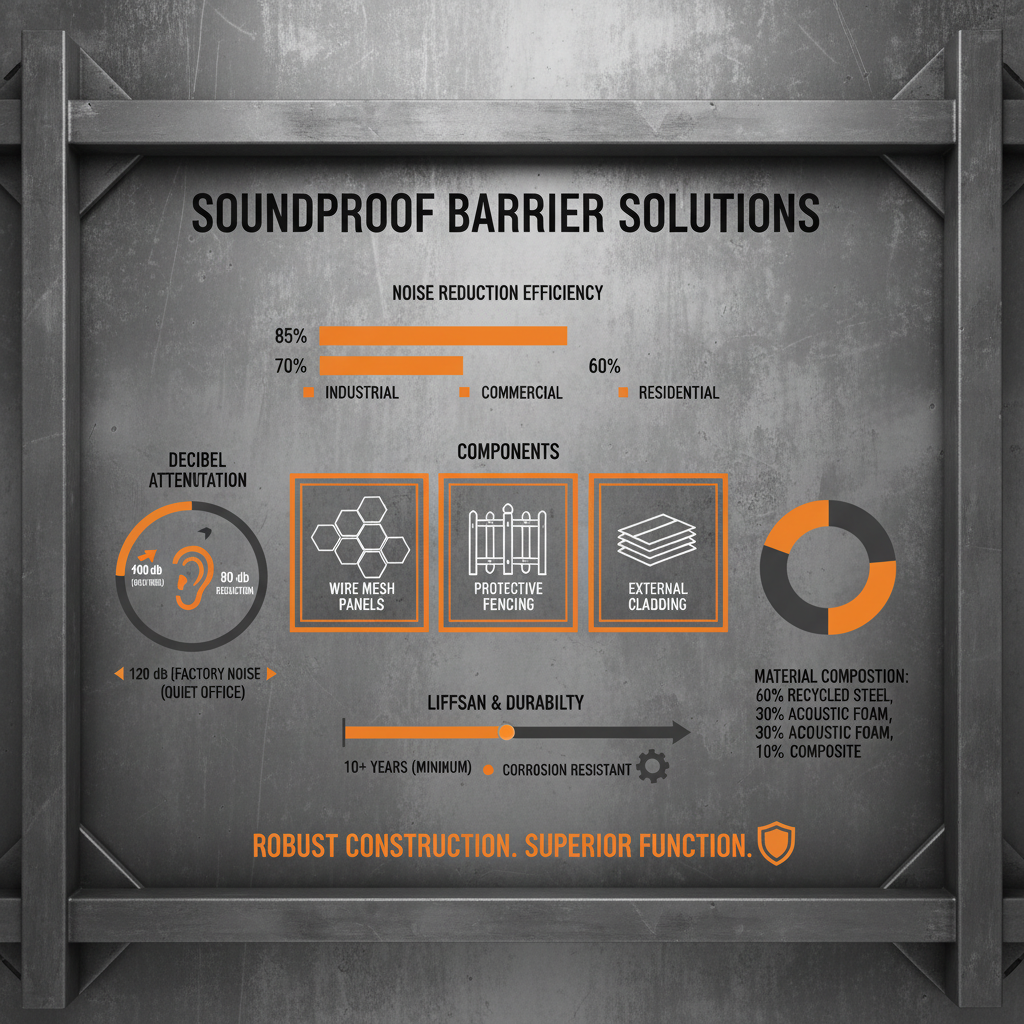
Selecting the right soundproof barrier requires careful consideration of several factors. The noise source and its frequency spectrum, the distance to the receiver, the desired level of noise reduction, aesthetic requirements, and budget constraints all play a role. Local regulations and permitting requirements should also be taken into account. It's crucial to choose a barrier that not only effectively reduces noise but also integrates seamlessly into the surrounding environment. Consulting with a noise control specialist can help you determine the best solution for your specific needs.
Conclusion: Creating a Quieter Environment
Investing in a soundproof barrier is a proactive step towards improving quality of life, protecting health, and enhancing productivity. By understanding the different types of barriers, key metrics like STL, and the factors to consider when choosing a solution, you can make an informed decision that meets your specific needs. Don't let noise pollution disrupt your peace and well-being – explore the options available and create a quieter, more comfortable environment.
Frequently Asked Questions (FAQs)
What is the typical lifespan of a soundproof barrier?
The lifespan of a soundproof barrier varies depending on the material and environmental conditions. Concrete barriers can last for decades with minimal maintenance, while timber barriers may require periodic staining or replacement. Fiberglass and acrylic barriers are generally durable but can be susceptible to UV degradation over time. Regular inspections are crucial to identify any damage or deterioration. Proper maintenance, such as cleaning and repairing any cracks or loose components, can extend the lifespan of the barrier significantly.
How high does a soundproof barrier need to be?
The optimal height of a soundproof barrier depends on several factors, including the distance to the noise source, the frequency of the noise, and the desired level of noise reduction. As a general rule, a barrier should be high enough to break the line of sight between the noise source and the receiver. This is known as the "diffraction" effect. Higher barriers typically provide greater noise reduction, but they can also be more expensive and visually intrusive. A noise control specialist can help determine the appropriate height for your specific application.
Can soundproof barriers be aesthetically pleasing?
Yes, soundproof barriers don't have to be visually unappealing. Many manufacturers offer barriers with a variety of finishes, colors, and textures to blend in with the surrounding environment. Timber barriers can offer a natural aesthetic, while fiberglass and acrylic barriers can be painted or clad in decorative materials. Landscaping can also be used to soften the appearance of a barrier. Fencing Wire Mesh offers customizable options to achieve both noise reduction and aesthetic appeal.
Are soundproof barriers effective against all types of noise?
Soundproof barriers are most effective at reducing airborne noise, such as traffic noise and speech. They are less effective at reducing impact noise, such as footsteps or construction vibrations, which travel through structures. The effectiveness of a barrier also depends on the frequency of the noise. Lower frequency sounds are more difficult to block and require denser, more massive barriers. A combination of soundproofing techniques may be necessary to address a wide range of noise sources.