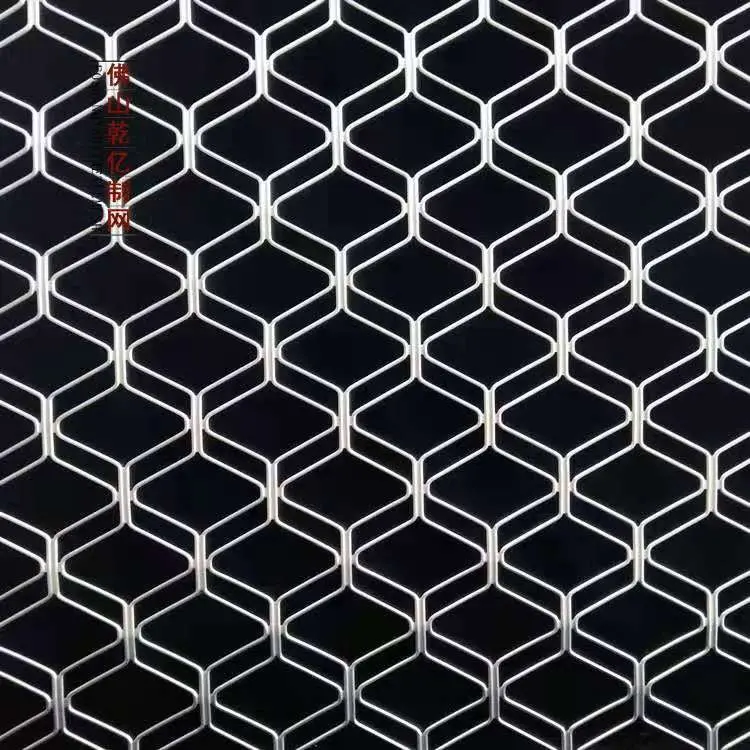

Understanding Small Hole Steel Mesh: Applications and Benefits
Small hole steel mesh is a versatile material used across a surprisingly wide range of industries. Its fine openings and robust construction provide solutions for filtration, security, and specialized manufacturing processes. This article will explore the key characteristics of small hole steel mesh, its diverse applications, and factors to consider when choosing the right mesh for your specific needs. We'll also highlight how Fencing Wire Mesh provides high-quality solutions for all your mesh requirements.

What is Small Hole Steel Mesh?
Small hole steel mesh, also known as fine wire mesh, is created by weaving or welding together thin strands of steel to form a screen with very small openings. The size of these openings is typically measured in microns or mesh counts per inch. Common materials used include stainless steel, carbon steel, and alloy steels, each offering different properties in terms of corrosion resistance, strength, and cost. The weaving process can create different mesh patterns like plain weave, twill weave, or dutch weave, each influencing the mesh’s characteristics.
Key Characteristics: High strength, precise openings, corrosion resistance (depending on material), and flexibility in weave patterns.
Applications of Small Hole Steel Mesh
The applications of this versatile material are incredibly diverse. In filtration, it's used to remove particulates from liquids and gases in industries like pharmaceuticals, food processing, and water treatment. Security applications include creating protective screens for windows, doors, and machinery. It also features prominently in aerospace for engine filters, in the automotive industry for catalytic converters, and in electronics for shielding. Furthermore, it is used in vibratory screens for sieving and classifying materials in various manufacturing processes.
Common Application Areas:
• Filtration (Liquid & Gas)
• Security Screening
• Aerospace Filters
• Automotive Components
Choosing the Right Small Hole Steel Mesh
Selecting the appropriate small hole steel mesh requires careful consideration of several factors. The first is the material; stainless steel offers excellent corrosion resistance, while carbon steel is more cost-effective but may require protective coatings. Next is the mesh size – the smaller the opening, the finer the filtration or security level. Weave pattern influences flow rate and structural integrity. Finally, wire diameter affects the mesh's strength and flexibility. Understanding these parameters is crucial for optimizing performance and longevity. Fencing Wire Mesh can help you navigate these choices.
Comparing Weave Patterns for Small Hole Steel Mesh
Different weave patterns offer distinct advantages. Plain weave is the simplest and most common, providing good stability. Twill weave offers a higher thread count and greater density, ideal for fine filtration. Dutch weave has fewer warp wires and more weft wires, creating a high flow rate suitable for applications like screen printing. The optimal choice depends on the specific requirements of the application.

The Role of Fencing Wire Mesh in Providing Quality Solutions
At Fencing Wire Mesh, we specialize in providing high-quality small hole steel mesh to meet a diverse range of industrial needs. We offer a wide selection of materials, mesh sizes, and weave patterns, backed by expert guidance to help you choose the perfect solution for your application. Our commitment to quality and customer satisfaction ensures reliable performance and long-lasting results. We also offer custom mesh fabrication services to meet your specific requirements.
Conclusion: Selecting the Right Small Hole Steel Mesh
Choosing the correct small hole steel mesh is vital for optimal performance in any application. By considering factors like material, mesh size, and weave pattern, you can ensure you're receiving a product tailored to your specific needs. Fencing Wire Mesh provides the expertise and quality you need to make the right choice.
Frequently Asked Questions (FAQs)
What is the typical lifespan of small hole steel mesh?
The lifespan of small hole steel mesh varies significantly depending on the material, the environment it’s exposed to, and the application. Stainless steel mesh generally has a very long lifespan, often exceeding 20 years, even in harsh conditions. Carbon steel mesh, however, is more susceptible to corrosion and may need to be replaced every 5-10 years, depending on protective coatings and maintenance. Regular inspection for wear, tear, or blockage is crucial to maximize lifespan and ensure performance.
Can small hole steel mesh be cut to custom sizes?
Yes, small hole steel mesh can be easily cut to custom sizes using various methods such as shears, abrasive saws, or laser cutters. However, it’s important to use appropriate cutting tools and techniques to avoid damaging the mesh or creating burrs. Fencing Wire Mesh offers custom cutting and fabrication services to meet your exact specifications, ensuring clean, precise cuts and minimal waste.
What are the benefits of using stainless steel mesh over carbon steel mesh?
Stainless steel mesh offers superior corrosion resistance compared to carbon steel, making it ideal for applications in wet, corrosive, or outdoor environments. While carbon steel is more cost-effective, it requires protective coatings (like galvanization) to prevent rust. Stainless steel also has a higher tensile strength and can withstand higher temperatures without degrading. Though it's more expensive upfront, stainless steel mesh often provides a longer lifespan and lower maintenance costs, making it a more economical choice in the long run.
How is small hole steel mesh cleaned and maintained?
Cleaning small hole steel mesh depends on the type of contamination. For loose debris, brushing or vacuuming is usually sufficient. For stubborn particles or oily residues, mild detergents and water can be used. Avoid harsh chemicals or abrasive cleaners, as they can damage the mesh. Regularly inspecting the mesh for blockages and cleaning it promptly will help maintain its performance and prolong its lifespan. For heavily contaminated mesh, ultrasonic cleaning may be necessary.