
Fixing Chain Link Fence: A Comprehensive Guide
Chain link fences are a durable and cost-effective solution for security and containment. However, over time, they can become damaged, requiring repairs. Understanding how to properly fix a chain link fence is crucial for maintaining its integrity and extending its lifespan. This guide will cover common issues, necessary tools, and step-by-step instructions for successful repairs. Whether you’re dealing with a broken wire, a sagging section, or a damaged post, we’ll provide the knowledge you need to restore your fence.
Common Chain Link Fence Problems
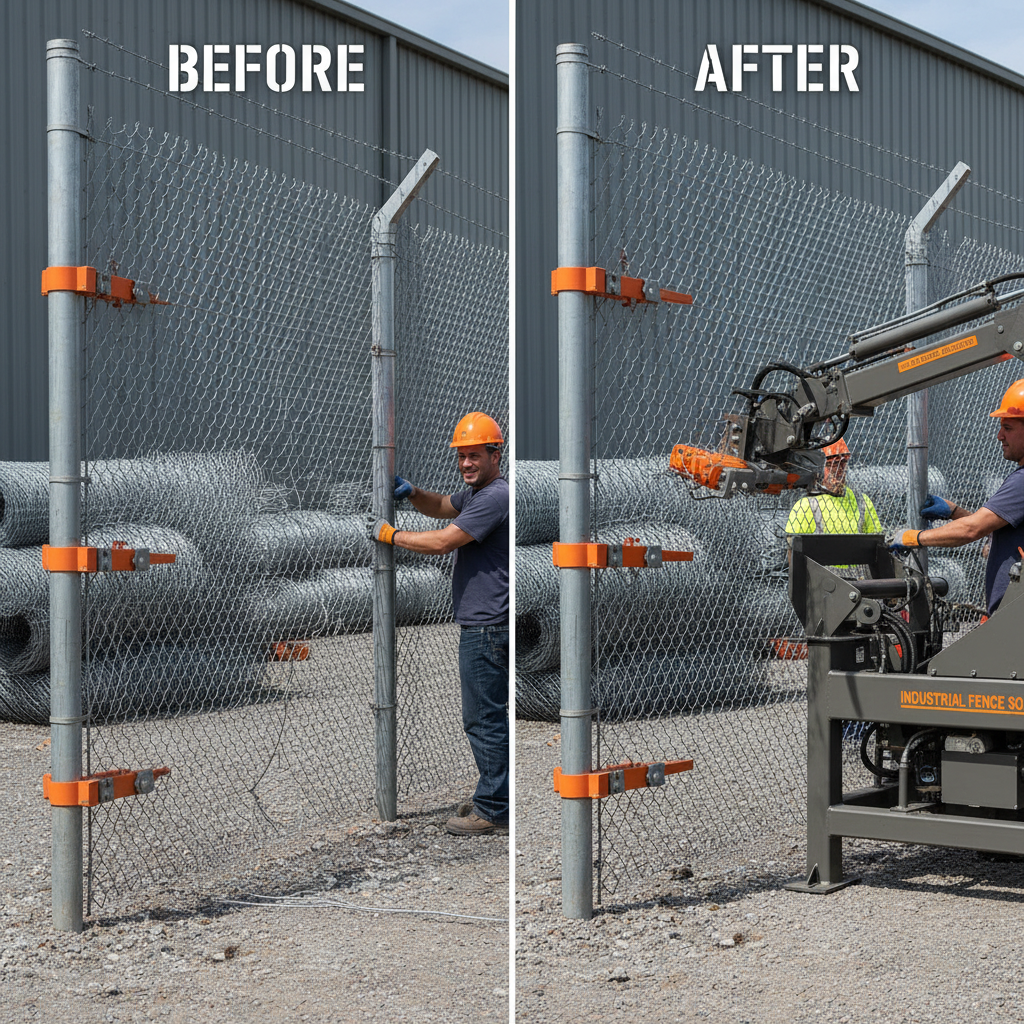
Before diving into repairs, it’s important to identify the problem. Common issues include broken or stretched wire, loose or damaged tension bands, rusted components, leaning or broken posts, and gate problems. Addressing these issues promptly prevents further damage and maintains the fence’s security. Regular inspection is key to early detection. A sagging fence is often a sign of loose tension wire, while rust indicates a need for protective coating. Broken posts require immediate attention as they compromise the fence’s overall stability.
Key Problems: Broken or stretched wire, loose tension bands, rusted components, leaning or broken posts, and gate problems.
Essential Tools for Fixing Chain Link Fence
Having the right tools makes the repair process much smoother and more efficient. You’ll need wire cutters, pliers, a fence stretcher (for tensioning wire), tension bands, hog rings (and a hog ring plier), gloves, safety glasses, a post hole digger (if posts need replacing), and rust preventative spray. For larger repairs, a come-along winch can be helpful for straightening posts. Quality tools will not only make the job easier but also ensure the repairs are durable and long-lasting. Fencing Wire Mesh offers a range of tools and materials to help you with your fence repairs.
Fixing a Broken Chain Link Fence Wire
When a wire breaks, it’s important to repair it promptly to maintain the fence’s integrity. Cut the broken wire cleanly with wire cutters. Using hog rings and a hog ring plier, attach a new length of chain link fabric to the existing fence, overlapping the broken section by several inches. Ensure the new wire is securely fastened to both the top and bottom rails. Consider using galvanized or vinyl-coated wire to prevent future rust. This is a common repair that can be completed relatively quickly with the right tools.
Repair Steps:
• Cut the broken wire cleanly.
• Overlap the broken section with new wire.
• Securely fasten with hog rings.
• Use galvanized or vinyl-coated wire.
Addressing Sagging Chain Link Fence: Tensioning the Wire
A sagging fence is often caused by loose tension wire. Using a fence stretcher, carefully tighten the wire along the sagging section. This requires attaching the stretcher to the wire and slowly ratcheting it to increase tension. Be cautious not to over-tighten, as this can damage the fence fabric or posts. Check the tension bands and replace any that are stretched or damaged. After tensioning, inspect the entire fence line for any additional sagging areas. This process restores the fence’s structural integrity and appearance.
Preventative Maintenance for Long-Lasting Repairs
Regular maintenance can significantly extend the lifespan of your chain link fence. Periodically inspect the fence for damage, rust, and loose components. Apply rust preventative spray to all metal parts, especially in coastal areas. Trim any vegetation growing around the fence, as this can contribute to rust and damage. Replacing worn tension bands and tightening the wire proactively prevents more significant issues down the road. Fencing Wire Mesh provides high-quality materials that resist corrosion and stand up to the elements.
Conclusion: Keeping Your Chain Link Fence Secure
By following these guidelines, you can effectively fix and maintain your chain link fence, ensuring its long-term security and durability. Regular inspection, prompt repairs, and preventative maintenance are key to protecting your property. Don't hesitate to consult with professionals for more complex repairs or if you're unsure about any aspect of the process. A well-maintained fence provides peace of mind and enhances the overall value of your property.
Frequently Asked Questions (FAQs)
What type of wire is best for repairing chain link fencing?
Galvanized steel wire is the most common and cost-effective choice for chain link fence repair. However, for increased longevity and corrosion resistance, consider using vinyl-coated wire, especially in harsh weather environments. Vinyl coating protects the steel from rust and provides a more aesthetically pleasing appearance. The wire gauge should match the existing fence fabric for optimal compatibility and strength. Using higher gauge can also provide more strength to the wire.
How often should I inspect my chain link fence?
Ideally, you should inspect your chain link fence at least twice a year – once in the spring after winter and once in the fall before winter. During each inspection, check for broken wires, loose tension bands, rusted components, leaning posts, and any signs of damage from weather or vandalism. Addressing these issues promptly can prevent them from escalating into more costly repairs.
What should I do if a fence post is broken?
A broken fence post requires immediate attention, as it significantly compromises the fence’s structural integrity. You’ll need to remove the broken post and install a new one. This involves digging a new post hole, setting the post in concrete, and reattaching the chain link fabric. If the damage is extensive, it’s best to consult with a professional fence contractor to ensure the repair is done correctly and safely.
Can I repair a chain link fence myself, or should I hire a professional?
Many minor chain link fence repairs, such as fixing broken wires or tightening tension bands, can be done DIY with the right tools and knowledge. However, more complex repairs, like replacing posts or repairing significant damage, are best left to professionals. A professional fence contractor has the experience, tools, and expertise to ensure the repair is done safely and effectively, preventing further damage and ensuring the fence’s longevity.