
Effective Noise Reduction Barriers: A Comprehensive Guide
In today’s increasingly noisy world, effective noise reduction barriers are essential for protecting hearing, enhancing productivity, and ensuring compliance with safety regulations. Whether it's industrial environments, construction sites, transportation hubs, or residential areas, minimizing noise pollution is a critical concern. This article will explore the types of noise barriers available, their applications, and the factors to consider when choosing the right solution. Understanding these elements is key to creating quieter, safer, and more comfortable spaces.
Understanding the Principles of Noise Reduction
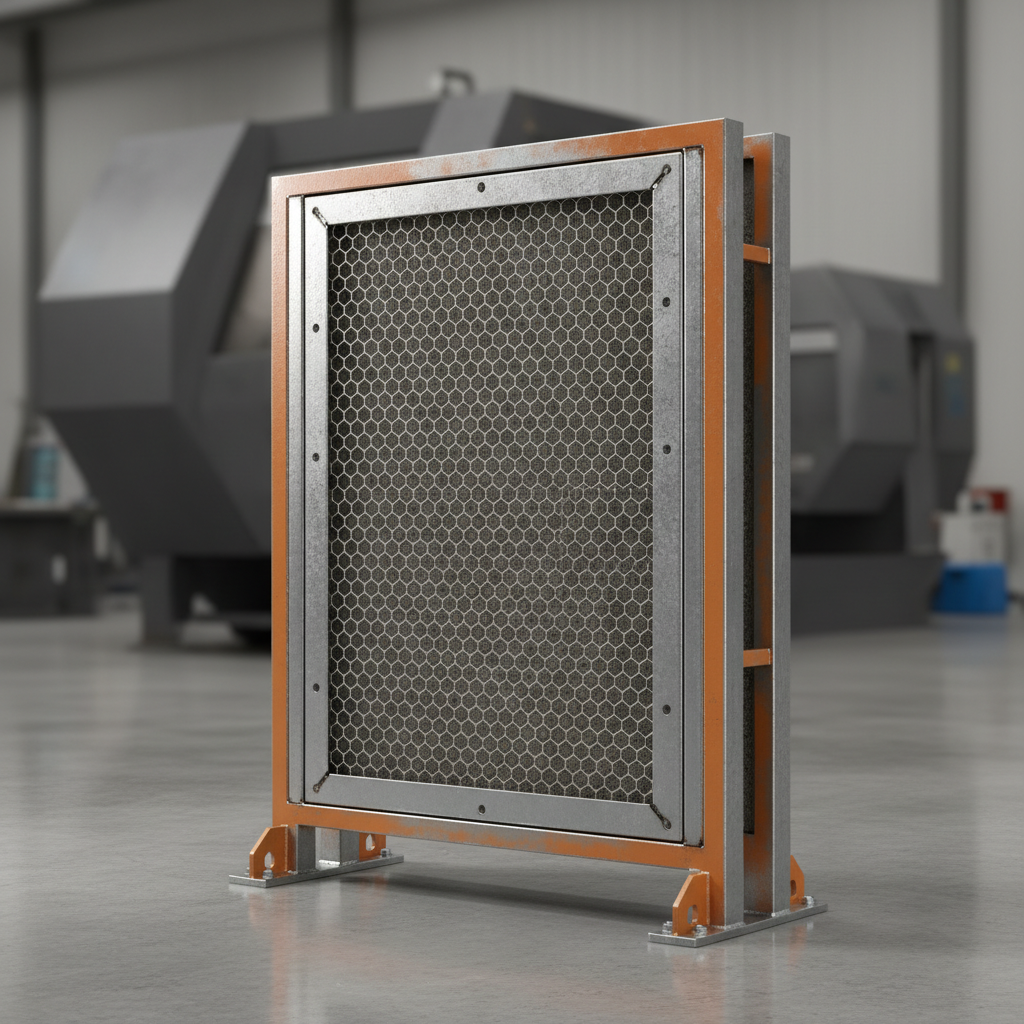
Noise reduction barriers work on the principles of blocking, absorbing, and deflecting sound waves. Blocking involves creating a physical obstruction in the path of sound. Absorption utilizes materials that convert sound energy into heat, reducing the amount of reflected sound. Deflection redirects sound waves, minimizing their impact on a specific area. The effectiveness of a noise barrier depends on factors like its height, length, density, and material composition. Effective noise barriers require careful planning and consideration of these principles to deliver optimal results.
Key Considerations: Height, length, density, and material composition are vital when assessing the performance of noise barriers.
Types of Noise Reduction Barriers
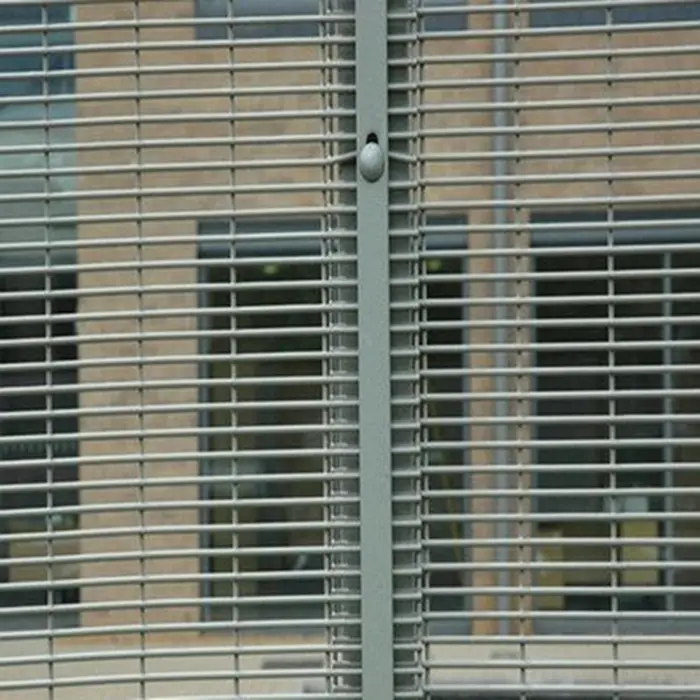
Several types of noise barriers are available, each suited for different applications. Common types include concrete walls, earth berms, timber barriers, and wire mesh panels. Concrete walls are highly effective at blocking sound but can be expensive and visually intrusive. Earth berms offer a natural and aesthetically pleasing solution but require significant space. Timber barriers are cost-effective but may have lower sound reduction capabilities. Wire mesh panels, often combined with sound-absorbing materials, provide a balance of performance, cost-effectiveness, and aesthetics. Wire mesh noise barriers are a popular choice for various industrial and commercial applications.
Common Noise Barrier Types:
• Concrete Walls: High effectiveness, high cost.
• Earth Berms: Natural appearance, requires space.
• Timber Barriers: Cost-effective, moderate performance.
• Wire Mesh Panels: Balance of performance and cost.
Noise Reduction Barrier Materials: A Comparative Analysis
The material used in a noise barrier significantly impacts its performance. Materials with high density and mass, like concrete and dense polymers, are excellent at blocking sound. Materials with porous structures, like fiberglass and acoustic foam, excel at absorbing sound. Wire mesh panels can be enhanced with sound-absorbing backing materials to improve their overall effectiveness. The choice of material depends on factors such as the desired level of noise reduction, budget constraints, and aesthetic preferences. Fencing wire mesh when combined with acoustic panels, provides an affordable and effective solution.
Applications of Noise Reduction Barriers
Noise reduction barriers find applications across diverse sectors. In industrial settings, they mitigate noise from machinery and equipment, protecting workers' hearing and improving workplace safety. Along highways and railways, barriers reduce traffic noise pollution, enhancing the quality of life for nearby residents. Construction sites utilize barriers to minimize noise disturbances to surrounding communities. Even in residential areas, barriers can be used to create quieter outdoor spaces. Selecting the appropriate barrier depends on the specific noise source, the environment, and the desired level of noise reduction.
Choosing the Right Noise Reduction Barrier
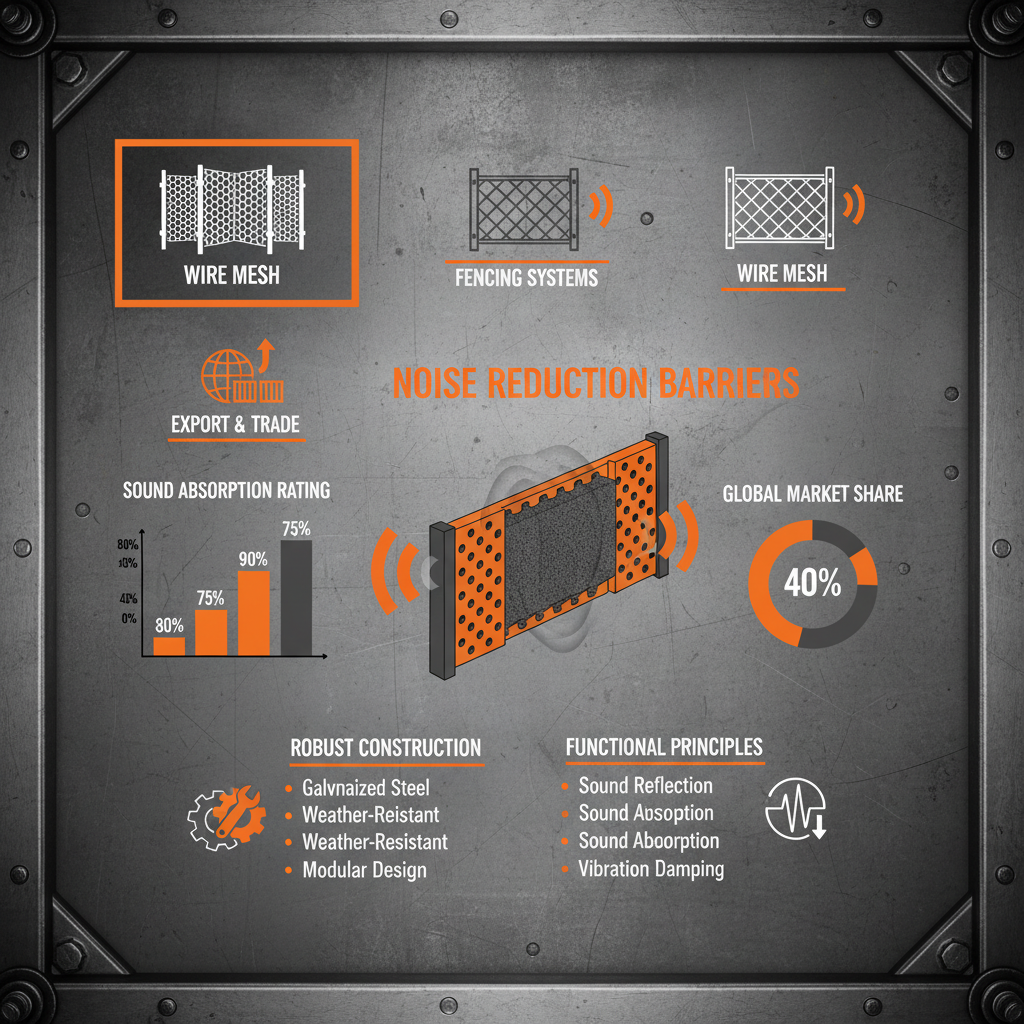
Selecting the optimal noise reduction barrier requires careful consideration of several factors. First, assess the frequency and intensity of the noise source. Determine the required level of noise reduction. Evaluate the available space and aesthetic requirements. Consider budget constraints and long-term maintenance costs. Consulting with a noise control specialist can provide valuable insights and ensure the selection of the most effective and cost-efficient solution. Our team at Fencing Wire Mesh can guide you through the selection process to meet your specific needs.
Conclusion: Creating Quieter Environments with Effective Barriers
Investing in effective noise reduction barriers is crucial for protecting health, enhancing productivity, and ensuring compliance with regulations. By understanding the principles of noise reduction and carefully selecting the appropriate barrier type and materials, you can create quieter, safer, and more comfortable environments for workers, residents, and communities. Don't underestimate the power of sound control – it's an investment in a better quality of life.
Frequently Asked Questions (FAQs)
What factors affect the effectiveness of a noise barrier?
Several factors impact the effectiveness of a noise barrier. These include the height and length of the barrier, the density of the material used, the presence of gaps or openings, the distance between the noise source and the barrier, and the surrounding topography. A taller and longer barrier generally provides better noise reduction. Dense materials block sound more effectively than lighter materials. Ensuring a continuous barrier without gaps is crucial for maximizing performance. The effectiveness also diminishes with increasing distance between the noise source and the barrier.
Are noise barriers effective in reducing low-frequency noise?
Low-frequency noise is more challenging to reduce than high-frequency noise due to its longer wavelengths. While noise barriers can provide some reduction in low-frequency noise, it typically requires taller and more massive barriers to achieve significant results. Combining barriers with other noise control measures, such as vibration damping and soundproofing, may be necessary for effectively addressing low-frequency noise issues.
What maintenance is required for noise reduction barriers?
The maintenance requirements for noise reduction barriers vary depending on the material used. Concrete barriers may require periodic cleaning and repairs to address cracks or damage. Timber barriers may need to be treated to prevent rot and insect infestation. Wire mesh panels should be inspected for corrosion and damage. Regular inspections and timely maintenance can help ensure the long-term effectiveness and durability of the barrier.
How can I determine the appropriate height for a noise barrier?
Determining the appropriate height for a noise barrier depends on the distance between the noise source and the receiver, the desired level of noise reduction, and the topography of the area. A general rule of thumb is that the barrier should be tall enough to break the line of sight between the noise source and the receiver. Consulting with a noise control specialist can help you accurately assess your specific needs and determine the optimal barrier height.
.webp "Metal Double Strand Barbed Wire Barbed Fencing Wire")