
Chain Link Fence Repair: A Comprehensive Guide
Maintaining a chain link fence is crucial for security and property value. However, damage can occur from weather, accidents, or general wear and tear. This article provides a detailed guide to chain link fence repair, covering common issues, necessary tools, and step-by-step instructions. We'll explore everything from patching holes to replacing posts, ensuring your fence remains secure and aesthetically pleasing. Proper repair not only extends the life of your fence but also prevents more costly replacements down the line.
Identifying Common Chain Link Fence Damage
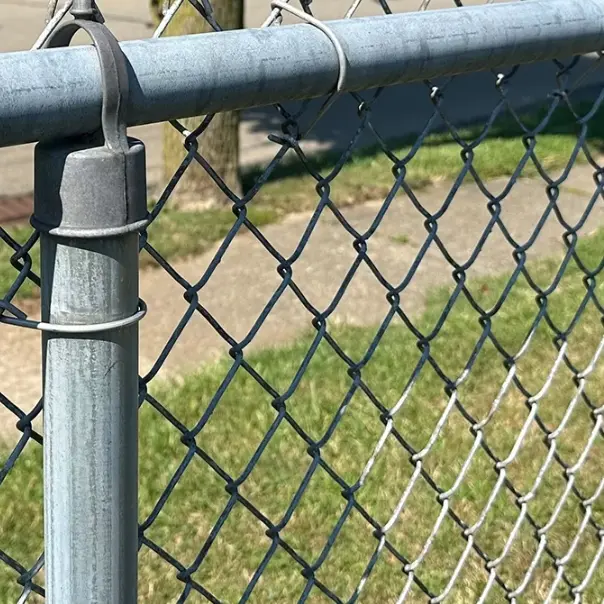
Before starting any repairs, accurately assess the damage. Common issues include broken wires, loose or missing tension bands, leaning or broken posts, and damaged gate hardware. Small holes can often be patched, while larger breaches might necessitate replacing sections of fencing. Rust is also a frequent problem, especially in coastal areas or with inadequate galvanization. Recognizing the severity of the damage will dictate the repair approach and materials needed. It is important to address these issues promptly to prevent further deterioration and maintain the fence’s functionality.
Quick Tip: Regular inspections (at least twice a year) can help you catch minor issues before they become major repairs.
Essential Tools for Chain Link Fence Repair
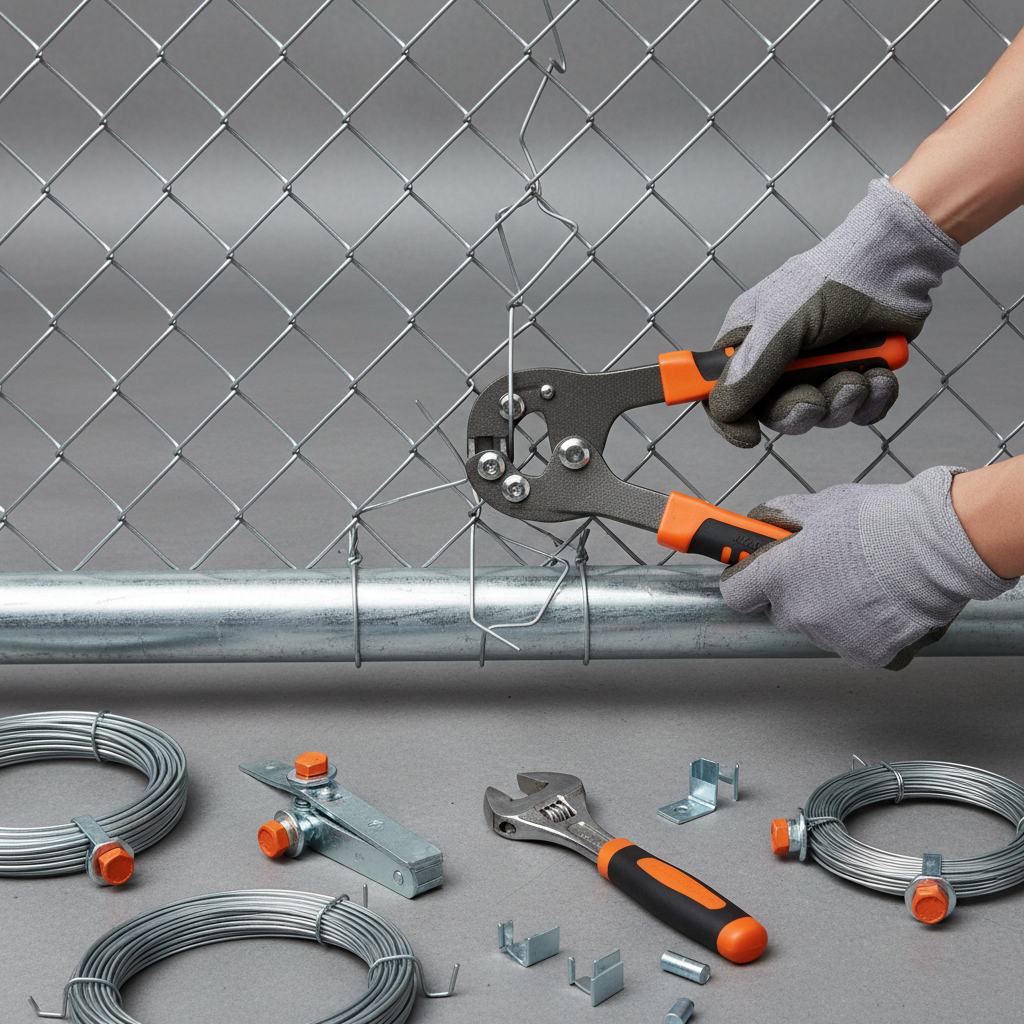
Having the right tools makes the repair process significantly easier and safer. Here’s a list of essentials: wire cutters, chain link stretcher, fence pliers, tension bands, hog rings and pliers, galvanized steel wire, level, post-hole digger (for post replacement), concrete mix (for post replacement), gloves, and safety glasses. A sturdy ladder may also be required for higher sections of the fence. Investing in quality tools will ensure a professional finish and prevent frustration during the repair process. Don't forget personal protective equipment—safety first!
Repairing Small Holes in Chain Link: A Step-by-Step Guide
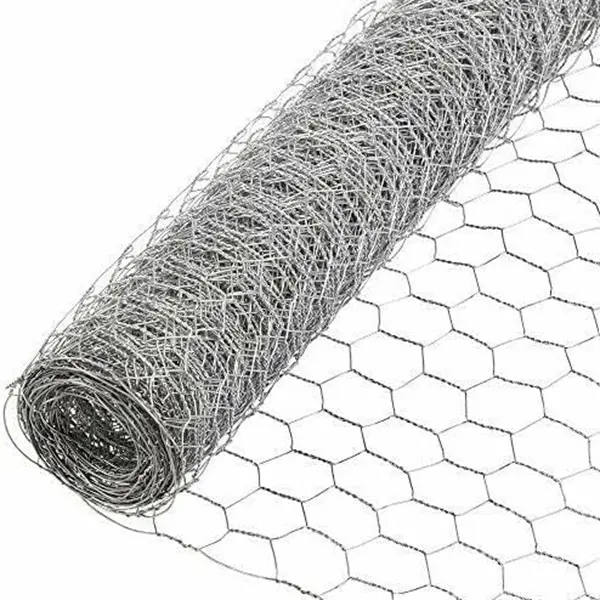
Small holes (less than a foot in diameter) are relatively easy to fix. First, use wire cutters to carefully trim any jagged edges around the hole. Then, weave galvanized steel wire through the mesh, creating a series of loops to close the gap. Secure the wire with hog rings using hog ring pliers. Ensure the wire is tightly woven and the hog rings are firmly fastened. This method effectively patches the hole and restores the fence’s integrity. For larger holes, consider using a patch of chain link fabric secured with tension bands.
Repair Options Comparison:
• Wire Patch: Best for small holes, quick and inexpensive.
• Chain Link Patch: Suitable for larger holes, more durable but requires more skill.
• Complete Section Replacement: Necessary for extensive damage, most labor-intensive.
Replacing a Chain Link Fence Post
Replacing a broken or leaning fence post is a more complex task. First, remove the old post by digging around it and potentially cutting it at ground level. Then, dig a new post hole, ensuring it’s deep enough for adequate support (typically 2-3 feet). Place the new post in the hole, ensuring it’s plumb (vertical) using a level. Fill the hole with concrete mix, allowing it to cure completely. Finally, reattach the chain link fabric to the new post using tension bands and wire. This process requires patience and attention to detail to ensure a sturdy and secure post installation.
Preventive Maintenance for Long-Lasting Chain Link Fences
Regular maintenance can significantly extend the life of your chain link fence. This includes cleaning the fence to remove dirt and debris, tightening loose tension bands, and applying a protective coating to prevent rust. Periodically inspect the fence for any signs of damage and address them promptly. Trimming vegetation growing around the fence is also essential, as it can contribute to corrosion and damage. By implementing a proactive maintenance schedule, you can avoid costly repairs and ensure your fence remains in excellent condition for years to come.
Conclusion: Keeping Your Fence Secure
Addressing chain link fence repair proactively ensures the longevity, security, and aesthetic appeal of your property. Whether it’s a simple patch or a post replacement, understanding the right tools and techniques is essential. Regular inspections and preventative maintenance can save you time and money in the long run. Don't hesitate to consult with professionals if you’re unsure about tackling a repair yourself.
Frequently Asked Questions (FAQs)
How often should I inspect my chain link fence?
It's recommended to inspect your chain link fence at least twice a year, ideally in the spring and fall. These inspections should cover the entire length of the fence, checking for broken wires, loose tension bands, leaning posts, and signs of rust or corrosion. After severe weather events, such as storms or high winds, it’s crucial to inspect the fence immediately for any damage. Early detection of problems can prevent them from escalating into more costly repairs. A quick walk-around can save you a lot of trouble in the long run.
What causes chain link fences to rust?
Rust occurs when the galvanized coating on the chain link wire is compromised, exposing the steel to moisture and oxygen. Coastal environments with high salt content accelerate the rusting process. Damage to the coating, such as scratches or dents, can also create areas prone to rust. Additionally, the presence of certain chemicals or pollutants can contribute to corrosion. Regular cleaning and applying a protective coating can help prevent rust and extend the life of your fence.
Can I repair a chain link fence myself, or should I hire a professional?
Many chain link fence repairs, such as patching small holes or tightening tension bands, can be handled by a DIY enthusiast with basic tools and skills. However, more complex repairs, like replacing posts or sections of fencing, may require professional expertise. If you’re uncomfortable working with tools or unsure about the proper techniques, it's best to hire a qualified fencing contractor. A professional can ensure the repair is done correctly and safely, preventing further damage or injury. Visit FencingWireMesh.com for professional advice.
How do tension bands contribute to fence stability?
Tension bands are crucial for maintaining the tension of the chain link fabric and providing overall stability to the fence. They are attached to the terminal posts and evenly distribute the tension along the length of the fence. Loose or missing tension bands can cause the fence to sag or become unstable. Regularly inspecting and tightening tension bands is essential for keeping the fence secure and preventing it from falling over.