
Expanded Metal Fence Panels: A Comprehensive Guide
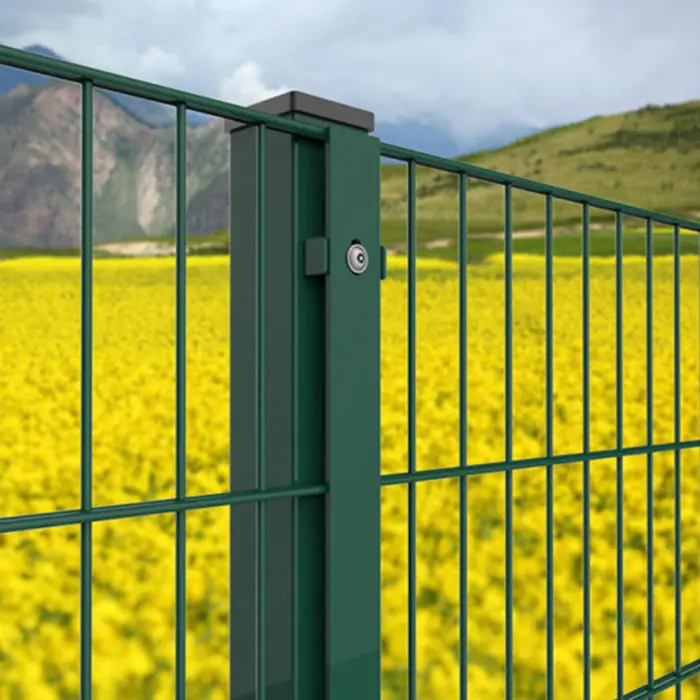
When considering security, aesthetics, and durability for your property, expanded metal fence panels offer a versatile and robust solution. This article explores the benefits, applications, material options, and installation considerations for expanded metal fencing, providing a thorough overview for homeowners and businesses alike. We will delve into why these panels are becoming a preferred choice for a variety of fencing needs.
Understanding Expanded Metal: The Basics
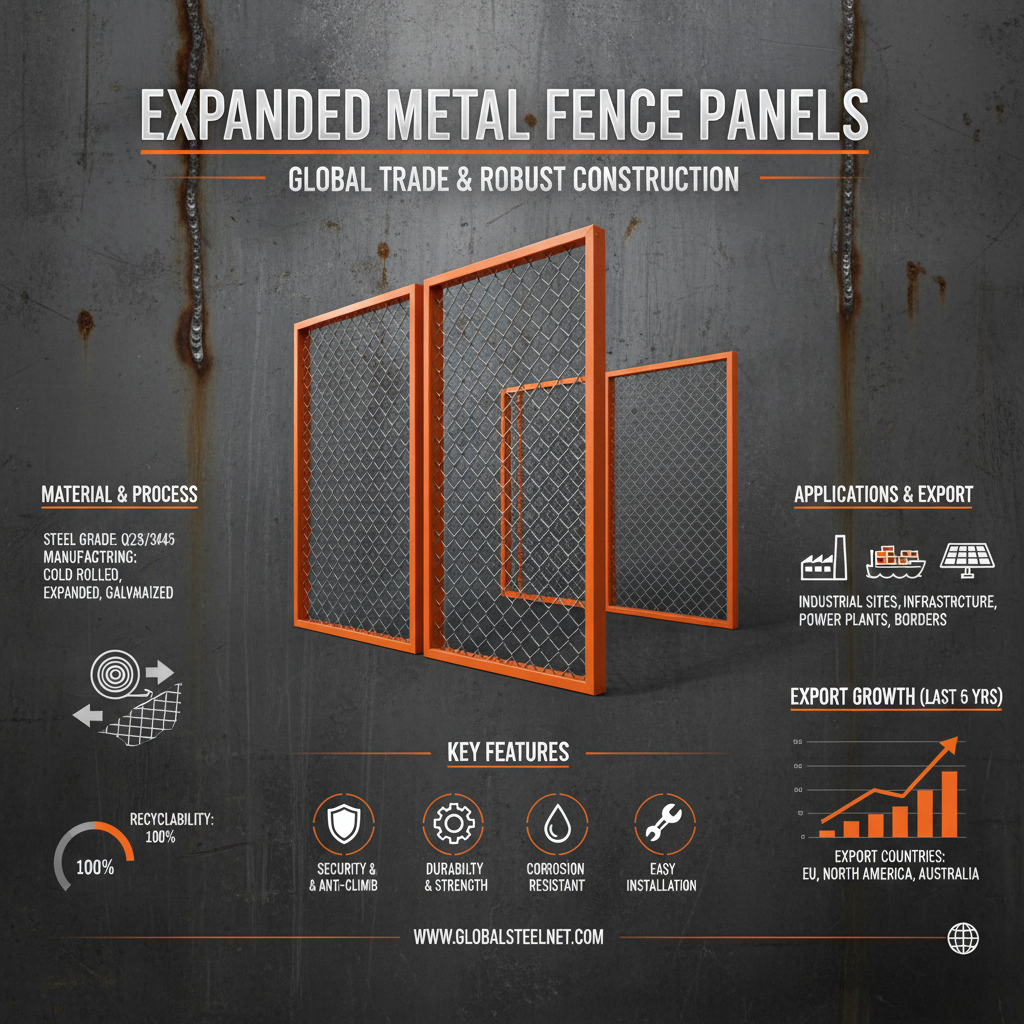
Expanded metal is created by slitting and stretching a solid metal sheet, resulting in a mesh-like structure with diamond-shaped openings. This process maintains a high percentage of the original metal's strength, making it significantly stronger and more durable than woven wire mesh. Expanded metal fence panels are known for their excellent strength-to-weight ratio, providing robust security without the hefty cost or appearance of solid metal barriers. They are commonly used in a range of applications, from industrial security to residential landscaping.
Key Highlights: High strength-to-weight ratio, excellent security, long-lasting durability, and versatile applications.
Benefits of Choosing Expanded Metal Fence Panels
There are numerous advantages to opting for expanded metal fencing. Firstly, its open design allows for excellent visibility, making it suitable for applications where monitoring the surrounding area is important. Secondly, the mesh-like structure provides good airflow, reducing wind load and minimizing the risk of damage during storms. Thirdly, it requires minimal maintenance compared to traditional fencing materials like wood. Finally, expanded metal fence panels offer a modern and industrial aesthetic that can enhance the look of your property.
Expanded Metal Fence Panel Materials: A Comparative Look
Expanded metal fence panels are available in a variety of materials, each with its own strengths and weaknesses. The most common materials include:
Applications of Expanded Metal Fence Panels
The versatility of expanded metal fencing makes it suitable for a wide range of applications. Common uses include:
- Security Fencing: Protecting industrial sites, commercial properties, and residential areas.
- Guard Rails: Providing safety barriers along roadways, bridges, and elevated walkways.
- Decorative Screens: Adding a modern touch to gardens, patios, and building facades.
- Animal Enclosures: Creating secure enclosures for livestock and other animals.
- Machine Guards: Protecting workers from moving parts in industrial machinery.
Installation Considerations and Best Practices
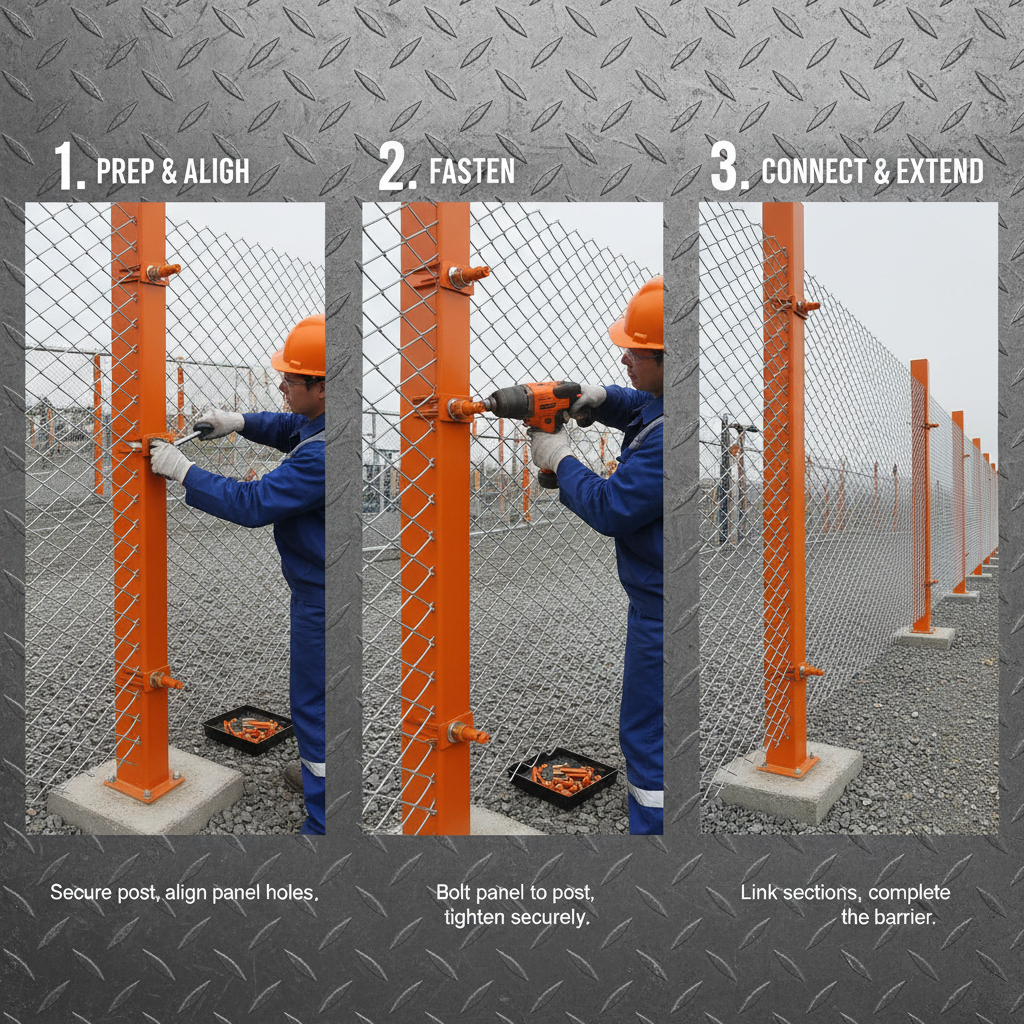
Proper installation is crucial for ensuring the longevity and effectiveness of your expanded metal fence. Begin by establishing the fence line and setting posts at appropriate intervals – typically 6-8 feet apart. Ensure posts are securely anchored in concrete footings. Attach the expanded metal fence panels to the posts using appropriate fasteners, such as bolts, screws, or clamps. Consider adding a top rail for increased stability and a finished look. Always follow local building codes and regulations.
Conclusion: A Strong and Versatile Fencing Solution
Investing in expanded metal fence panels offers a durable, secure, and aesthetically pleasing solution for a variety of fencing needs. With its excellent strength-to-weight ratio, minimal maintenance requirements, and versatile applications, expanded metal fencing provides long-term value and peace of mind. Explore the options available and choose the material and configuration that best suits your property and security requirements.
Frequently Asked Questions (FAQs)
What is the typical lifespan of an expanded metal fence?
The lifespan of an expanded metal fence depends on the material used and the environmental conditions. Galvanized steel fences can last 10-20 years with proper maintenance. Stainless steel fences can last 25 years or more. Aluminum fences have a similar lifespan to galvanized steel. Regular inspections and the application of protective coatings can extend the life of the fence. Factors such as coastal salt spray or industrial pollutants can accelerate corrosion and shorten the lifespan.
Is expanded metal fencing difficult to install?
Installation can range from moderate to difficult depending on the terrain and the scope of the project. Setting posts requires digging and concrete work, which can be physically demanding. Attaching the panels requires accurate alignment and secure fastening. If you're not comfortable with these tasks, it's best to hire a professional fence installer. A properly installed fence will be more secure and durable.
Can expanded metal fencing be painted?
Yes, expanded metal fencing can be painted, but proper surface preparation is essential. Remove any rust or mill scale, and clean the metal thoroughly. Apply a metal primer designed for galvanized or stainless steel, followed by two coats of high-quality exterior paint. Choose a paint that is suitable for the metal type and the climate. Painting can enhance the aesthetic appearance of the fence and provide additional corrosion protection. You can find high quality products at Fencing Wire Mesh.