
Choosing the Right Chain Link Fence Options for Your Needs
Selecting the appropriate chain link fence options is crucial for security, safety, and property value. With a wide range of gauges, heights, coatings, and accessories available, understanding your requirements is key. This article will guide you through the different choices, helping you make an informed decision. From residential boundaries to commercial perimeters, the right chain link fence can provide durable and cost-effective protection. We’ll cover everything from materials to installation considerations to ensure you choose the perfect fence for your specific situation.
Understanding Chain Link Fence Gauge and Height
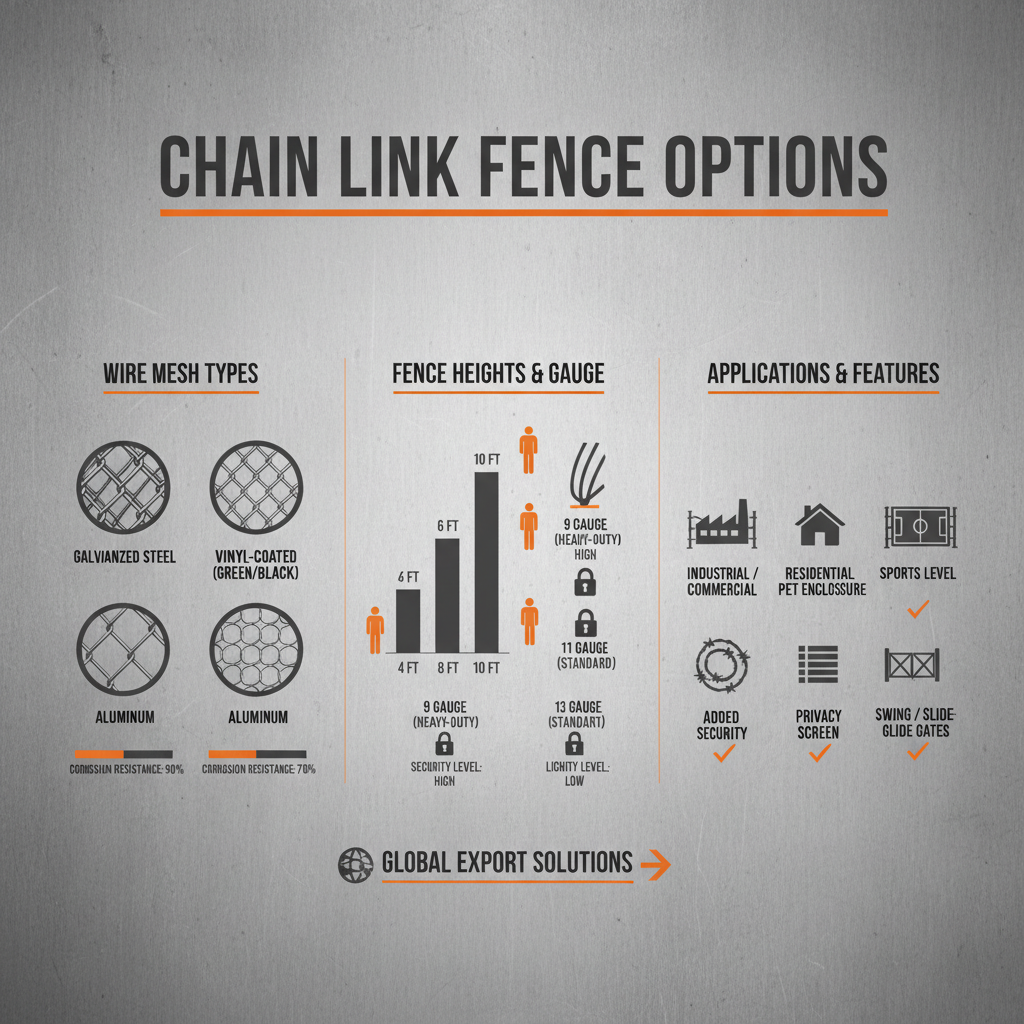
The gauge of the wire determines the thickness and strength of your chain link fence. Lower gauge numbers indicate thicker, more durable wire. Common gauges include 9, 11, 12.5, and 14. For residential applications, a 14-gauge fence might suffice, while commercial and industrial settings typically require a 9 or 11-gauge fence for increased security and longevity. Height is another critical factor, ranging from 4 feet to 12 feet or higher. Consider your security needs, privacy requirements, and local regulations when choosing a height. Higher fences offer greater security but may require permits in some areas. Choosing the right combination of gauge and height is essential for a fence that provides both security and cost-effectiveness. Visit Fencing Wire Mesh for a full range of options.
Key Takeaway: Thicker gauge wire equals greater durability. Height should be determined by security needs and local regulations.
Chain Link Fence Coatings: Galvanized vs. Vinyl-Coated
Two primary coatings protect chain link fence wire from corrosion: galvanized and vinyl-coated. Galvanized chain link is coated with zinc, providing good rust resistance. Vinyl-coated chain link features a layer of PVC over the galvanized wire, offering superior corrosion protection and aesthetic appeal. Vinyl coatings are available in a variety of colors, allowing you to customize the look of your fence. While vinyl-coated fences are more expensive, they provide a longer lifespan and require less maintenance. The climate you live in will play a significant role in coating choice – coastal regions or areas with harsh winters may benefit greatly from the increased protection of vinyl-coated fencing.
Coating Comparison:
• Galvanized: Cost-effective, good rust resistance.
• Vinyl-Coated: Superior corrosion protection, aesthetic appeal, longer lifespan.
• Color Options: Vinyl coated fences come in a variety of colors.
Comparing Chain Link Fence Options: A Detailed Breakdown
Choosing between different chain link fence options can be daunting. Here's a comparison of common choices, considering factors like cost, durability, and aesthetic appeal. The optimal choice depends heavily on your specific needs and budget.
Essential Accessories for Your Chain Link Fence
Beyond the wire and posts, several accessories enhance the functionality and security of your chain link fence. These include tension bands, brace bands, tension bars, gate hardware, and privacy slats. Tension bands and brace bands secure the chain link fabric to the posts, while tension bars provide the necessary tension for a taut fence. Gate hardware ensures smooth operation and security for access points. Privacy slats, inserted into the chain link mesh, offer increased privacy and wind protection. These accessories are readily available from Fencing Wire Mesh, providing a comprehensive solution for all your fencing needs.
Installation Considerations and Professional Help
While DIY chain link fence installation is possible, it requires careful planning and execution. Correct post spacing, proper tensioning, and secure attachment of accessories are crucial for a durable and effective fence. Incorrect installation can lead to sagging, instability, and reduced lifespan. For larger projects or if you lack experience, consider hiring a professional fencing contractor. They can ensure proper installation, adhere to local regulations, and provide valuable expertise. Proper installation is key to maximizing the longevity and effectiveness of your investment. Check out Fencing Wire Mesh for resources and guidance.
Conclusion: Finding the Best Chain Link Fence for You
Choosing the right chain link fence options involves considering factors like gauge, coating, height, and accessories. By carefully evaluating your needs and budget, you can select a fence that provides reliable security, durability, and aesthetic appeal. Remember to prioritize proper installation for long-lasting performance.
Frequently Asked Questions (FAQs)
What is the typical lifespan of a chain link fence?
The lifespan of a chain link fence varies depending on the gauge of the wire, the coating, and the climate. Galvanized chain link fences typically last 10-15 years, while vinyl-coated fences can last 20 years or more. Regular maintenance, such as cleaning and inspecting for damage, can extend the lifespan of your fence. Coastal environments with high salt content can accelerate corrosion, shortening the lifespan of galvanized fences. Choosing a heavier gauge wire and a vinyl coating will maximize durability in harsh environments.
What is the recommended post spacing for a chain link fence?
The recommended post spacing for a chain link fence is typically 8-10 feet. However, this can vary depending on the height of the fence and the gauge of the wire. Taller fences and lighter gauge wire require closer post spacing to ensure stability. It is essential to follow the manufacturer's recommendations for post spacing to maintain the integrity of the fence. Uneven ground may also require adjustments to post spacing to ensure a level and secure installation.
Do I need a permit to install a chain link fence?
Yes, in most jurisdictions, you will need a permit to install a chain link fence. Local regulations vary, so it's crucial to check with your city or county building department before starting any installation work. Permit requirements often depend on the height of the fence and its proximity to property lines. Failing to obtain a permit can result in fines or the requirement to remove the fence. Fencing Wire Mesh can offer guidance on local regulations.