

Understanding and Choosing a High Chain Link Fence
When securing your property, choosing the right fencing material is crucial. A high chain link fence offers a durable, cost-effective, and versatile solution for residential, commercial, and industrial applications. This article will delve into the benefits, factors to consider, common uses, and installation tips for high chain link fences, providing a comprehensive guide for making an informed decision. We’ll explore how a properly installed chain link fence can provide long-lasting security and peace of mind.
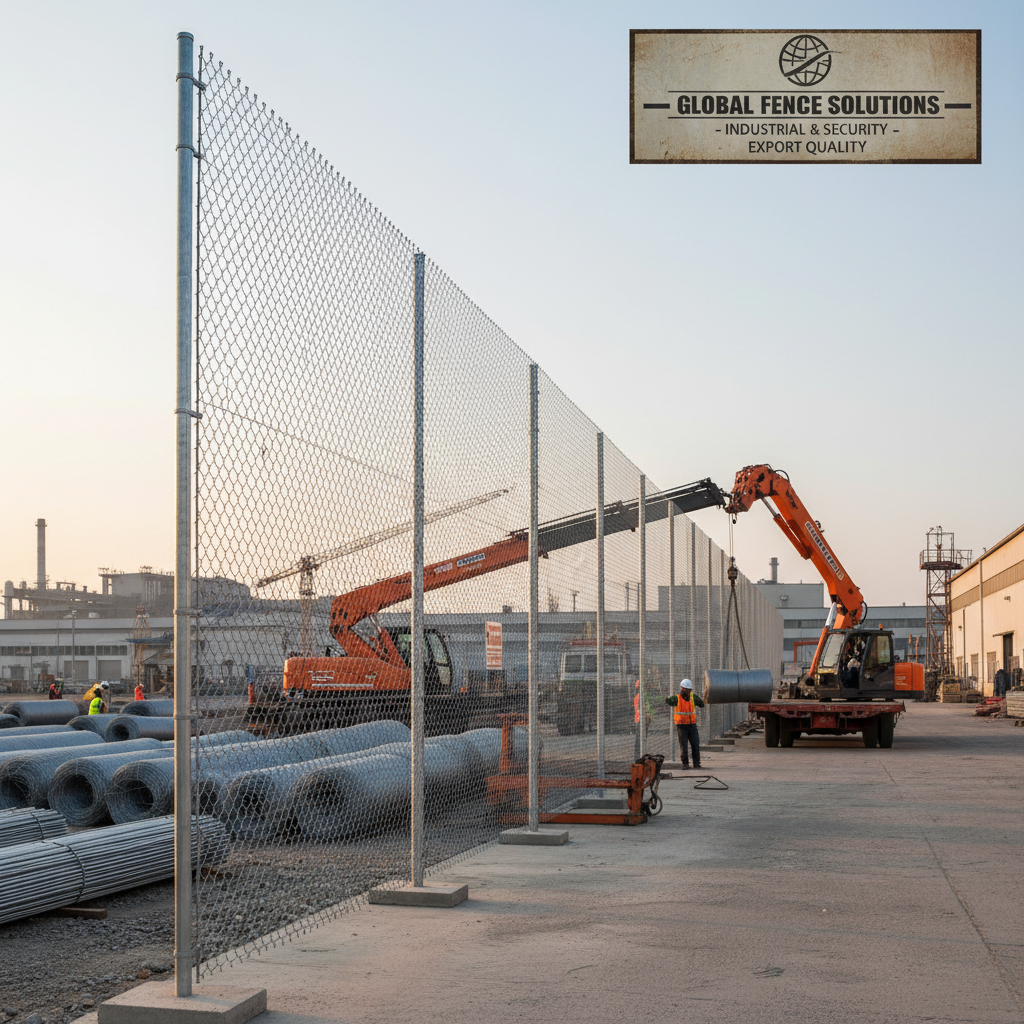
The Benefits of a High Chain Link Fence
A high chain link fence boasts several advantages. Firstly, its affordability makes it a budget-friendly option compared to other fencing materials like wood or wrought iron. Secondly, it requires minimal maintenance, typically only needing occasional cleaning. Thirdly, chain link fencing offers excellent visibility, which can be beneficial for security purposes, allowing clear sightlines of the property. Finally, it's incredibly durable and can withstand harsh weather conditions, making it a long-lasting investment. The galvanized or vinyl-coated options offer superior resistance to corrosion, further extending its lifespan.
Key Highlights: Affordable, low-maintenance, excellent visibility, and durable construction make high chain link fences a practical choice for a wide range of properties.
Key Factors to Consider When Choosing a High Chain Link Fence
Selecting the right chain link fence involves considering several factors. Height is crucial; taller fences provide greater security, while shorter fences are suitable for decorative purposes or containing pets. Gauge (wire thickness) impacts durability – lower gauge numbers indicate thicker, stronger wire. The type of coating (galvanized, vinyl-coated) affects corrosion resistance. And finally, the post material (steel or aluminum) and spacing influence the fence’s overall strength and stability. Understanding these factors ensures you choose a fence that meets your specific needs and local regulations.
Important Considerations:
• Height: Choose a height appropriate for your security and privacy needs.
• Gauge: Lower gauge numbers mean thicker, stronger wire.
• Coating: Galvanized or vinyl-coated for corrosion resistance.
• Post Material: Steel or aluminum, affecting strength and cost.
Comparing Chain Link Fence Options: Galvanized vs. Vinyl-Coated
When choosing a high chain link fence, you’ll encounter two primary coating options: galvanized and vinyl-coated. Galvanized chain link is coated with zinc to prevent rust. Vinyl-coated chain link has a layer of polyvinyl chloride (PVC) over the galvanized coating, offering even greater protection and aesthetic appeal. Vinyl-coated fences are available in a variety of colors. However, they are typically more expensive than galvanized options.
Common Applications of a High Chain Link Fence
High chain link fences are versatile and suited for a variety of applications. These include securing residential properties, delineating commercial boundaries, creating animal enclosures on farms, providing security around industrial sites, and surrounding sports fields. Their durability and cost-effectiveness make them a practical choice for both large and small-scale projects. They are also frequently used for temporary fencing during construction sites.
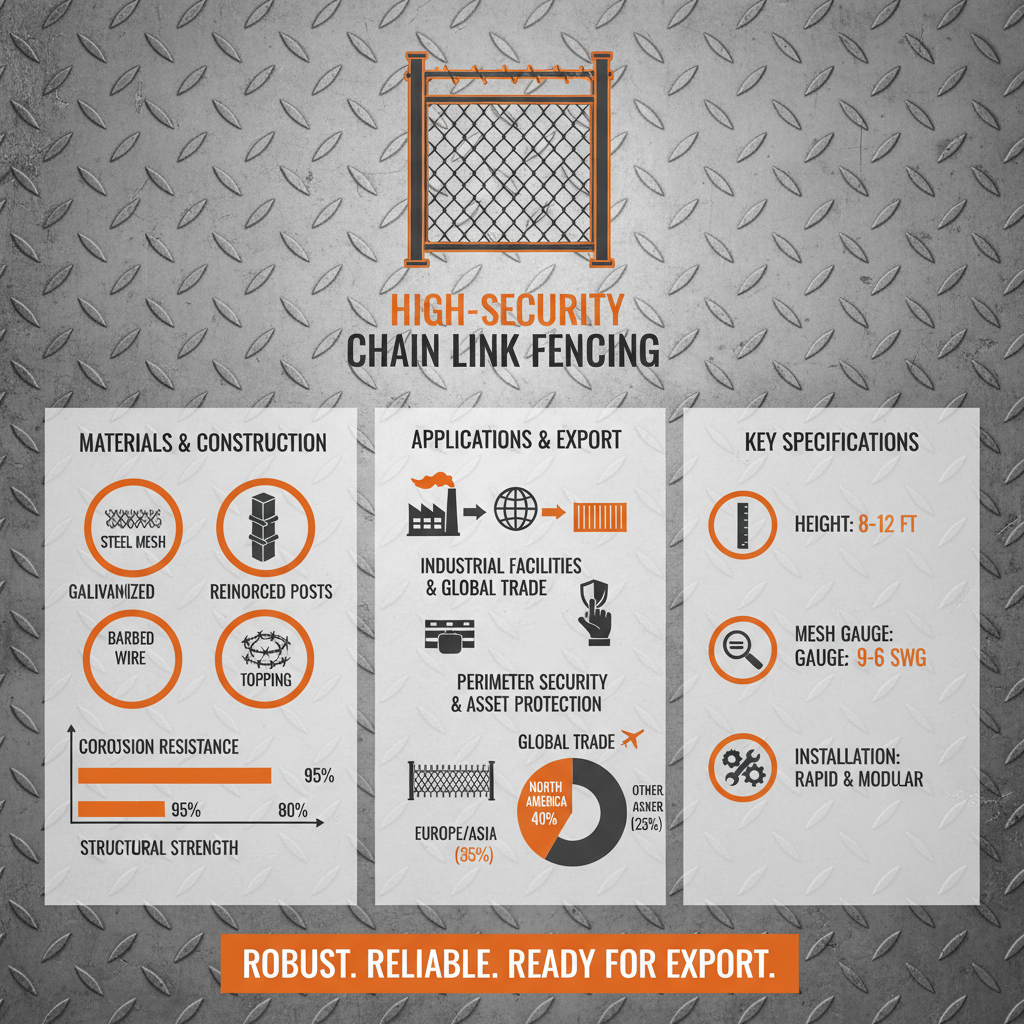
Installation Tips for a Long-Lasting High Chain Link Fence
Proper installation is key to the longevity of your high chain link fence. Ensure posts are set deep enough and properly spaced for optimal stability. Use appropriate tension bands and tension wire to keep the fabric taut and prevent sagging. Secure the top rail correctly to provide a strong and secure perimeter. Consider consulting with a professional fence installer to ensure the job is done correctly, especially for larger projects.
Conclusion: Secure Your Property with a High Chain Link Fence
A high chain link fence offers a cost-effective, durable, and versatile security solution. By carefully considering your needs and following proper installation techniques, you can enjoy years of reliable protection. Contact FencingWireMesh.com today for a quote and expert advice!
Frequently Asked Questions (FAQs)
What is the recommended post spacing for a high chain link fence?
The recommended post spacing for a high chain link fence typically ranges from 8 to 10 feet, depending on the height of the fence and the gauge of the wire. Closer spacing is recommended for taller fences and heavier gauge wire to provide greater stability and prevent sagging. Proper post spacing is crucial for maintaining the integrity of the fence and ensuring it can withstand wind loads and other external forces. Consulting with a fencing professional can help determine the optimal post spacing for your specific needs and local conditions.
How tall should a chain link fence be for security purposes?
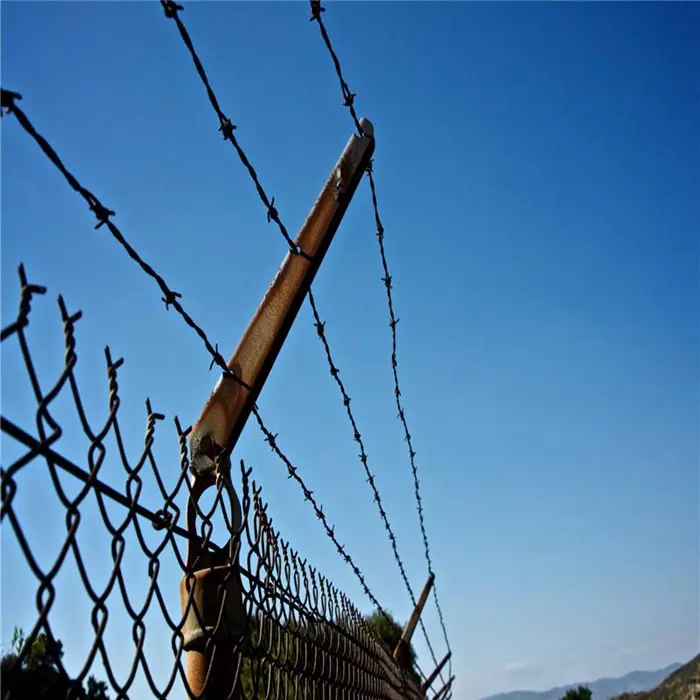
For security purposes, a chain link fence should ideally be at least 6 feet tall. Higher fences (7 or 8 feet) provide even greater security, making it more difficult for intruders to climb over. However, local regulations may restrict fence heights, so it’s essential to check with your local authorities before installation. Consider adding a top rail or angled extensions to further deter climbing attempts.
What maintenance is required for a chain link fence?
Chain link fences require minimal maintenance. Regularly inspect the fence for any signs of damage, such as broken wires, loose tension bands, or rusted posts. Periodically cleaning the fence with a mild detergent and water can help remove dirt and debris. For galvanized fences, applying a protective coating every few years can help prevent rust. For vinyl-coated fences, occasional inspection of the coating is recommended to ensure it remains intact.
Can a chain link fence be used for animal containment?
Yes, chain link fences are commonly used for animal containment. However, the appropriate fence height and wire gauge will depend on the size and type of animal. For smaller animals like dogs or rabbits, a 4-foot fence with a smaller wire gauge may be sufficient. For larger animals like horses or livestock, a taller fence (6-8 feet) with a heavier gauge wire is necessary. Consider using a smaller mesh size at the bottom of the fence to prevent animals from digging underneath.

.webp "358 Fence: Durable Materials, Lasting Protection")


