
Chain Link Fence with Barbed Wire: A Comprehensive Guide
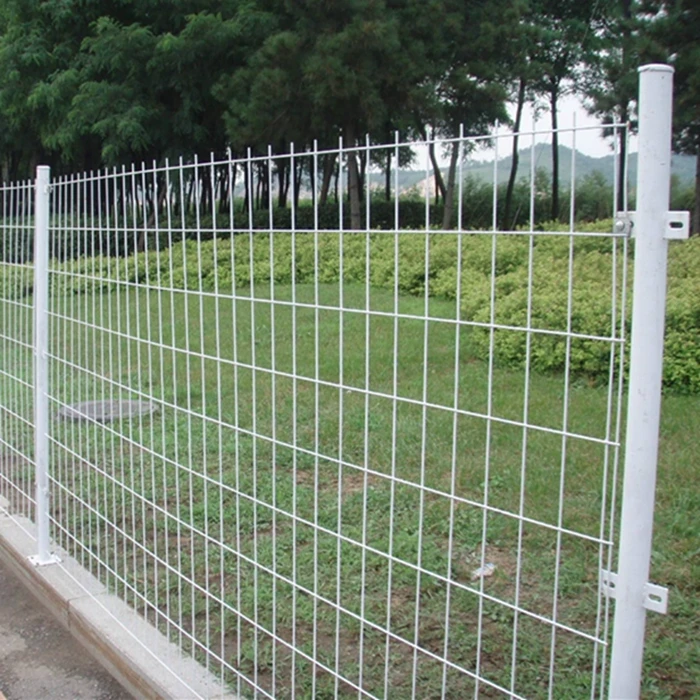
When securing your property, a chain link fence with barbed wire provides a robust and effective perimeter defense. This combination offers both visibility and a strong deterrent against trespassers. This article will delve into the benefits, applications, installation considerations, and legal aspects of using this fencing solution. We'll explore why it remains a popular choice for residential, commercial, and agricultural properties, and how to ensure you select the right materials for your specific needs.
Benefits of a Chain Link Fence with Barbed Wire
The primary benefit of combining a chain link fence with barbed wire is increased security. The chain link provides a physical barrier, while the barbed wire adds a significant deterrent. This makes it much more difficult and painful for anyone to attempt to climb or breach the fence. It's a cost-effective solution compared to more elaborate security systems, and relatively easy to install. Furthermore, the open weave of the chain link allows for good visibility, enabling you to monitor the perimeter. Choosing the right gauge of chain link and the type of barbed wire (single or multi-strand) is crucial for optimal protection. You can find a comprehensive range of options at Fencing Wire Mesh.
Key Benefits: Increased security, cost-effectiveness, ease of installation, good visibility, and deterrent against trespassers.
Applications of Chain Link Fence and Barbed Wire
This type of fencing is versatile and suitable for various applications. It's commonly used for securing agricultural land, protecting livestock from predators, and delineating property boundaries. Commercial properties, such as warehouses and industrial facilities, often employ it to prevent theft and unauthorized access. Residential users may choose it for added security around their homes, especially in rural areas. Correctional facilities and military bases also utilize this fencing system for high-security applications. It's important to consider the specific needs of your property and choose materials that are appropriate for the environment and level of security required.
Common Applications:
• Agricultural fencing
• Commercial security
• Residential perimeter protection
• High-security facilities
Chain Link & Barbed Wire: Comparing Materials and Gauges
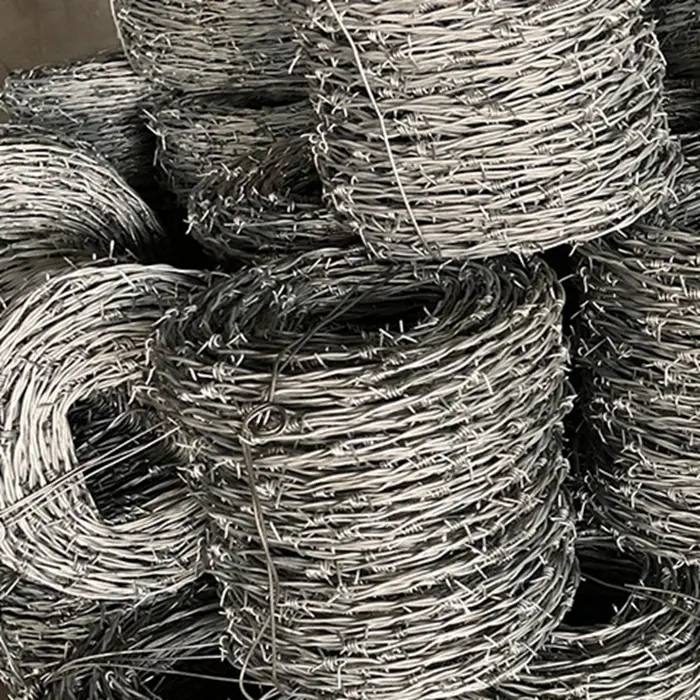
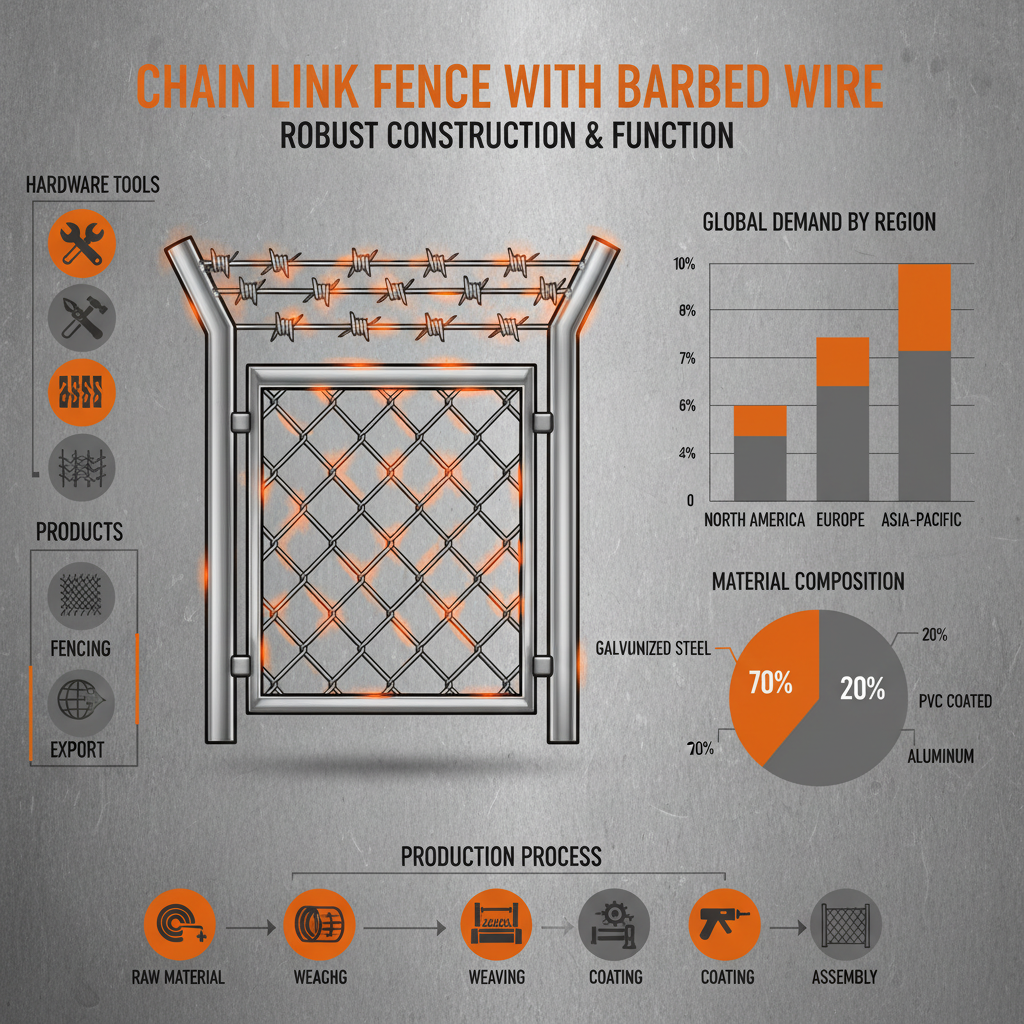
Selecting the right materials is critical for longevity and effectiveness. Chain link comes in various gauges, with lower numbers indicating thicker wire. For high-security applications, a 9-gauge or 11-gauge chain link is recommended. Barbed wire is typically available in single-strand, double-strand, or multi-strand configurations, with varying spacing between barbs. Galvanized steel is a common choice for both chain link and barbed wire, providing corrosion resistance. Vinyl-coated options are also available for enhanced aesthetics and durability. Consider the climate and potential exposure to harsh elements when making your selection. Fencing Wire Mesh offers a wide range of materials and gauges to suit your specific requirements.
Legal Considerations and Local Regulations
Before installing a chain link fence with barbed wire, it's crucial to check local regulations and homeowner association rules. Some jurisdictions may have restrictions on the height of fences, the type of barbed wire allowed, or setback requirements. You may also need to obtain a permit before starting installation. It's important to be aware of any liability concerns associated with barbed wire, as injuries can occur. Proper signage indicating the presence of barbed wire is highly recommended. Consulting with local authorities and legal counsel can help ensure compliance and mitigate potential risks.
Installation Tips and Best Practices
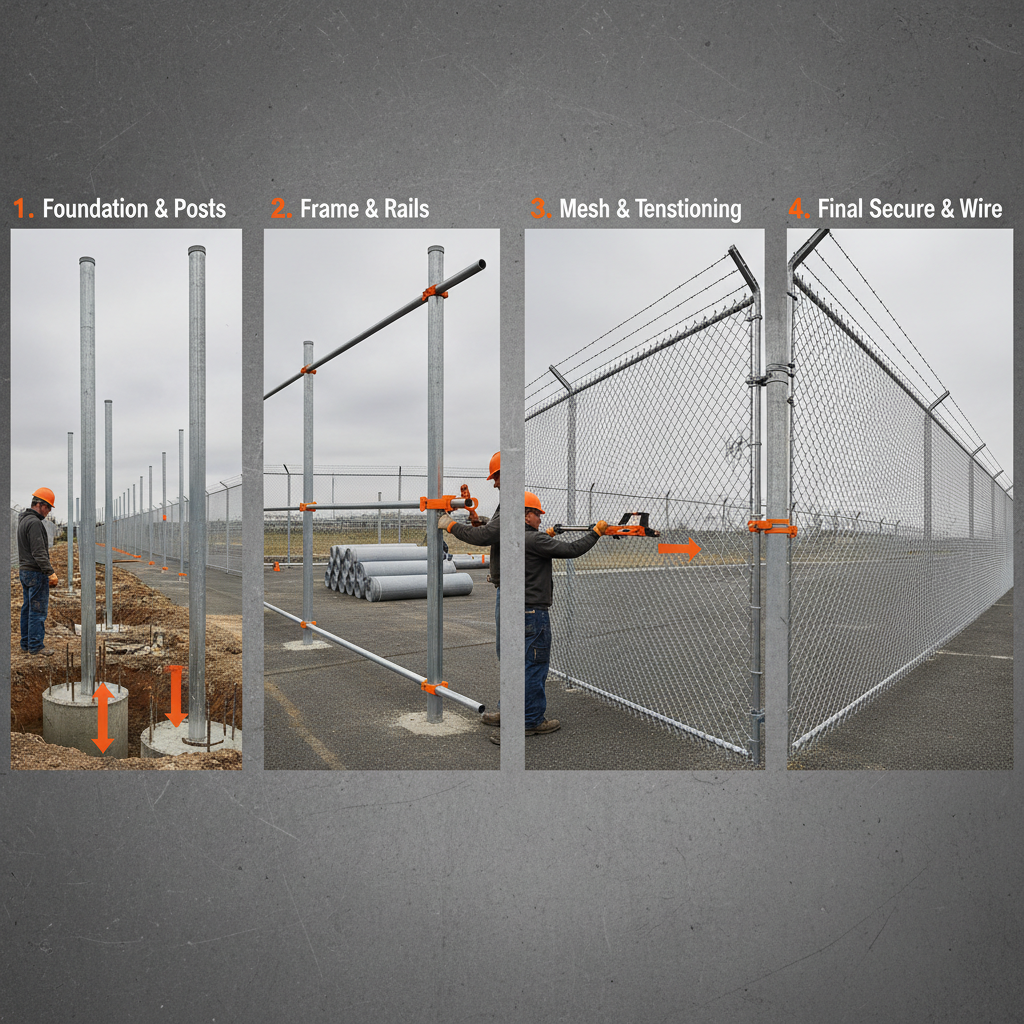
Proper installation is essential for a secure and long-lasting fence. Start by carefully planning the layout and marking the post locations. Use sturdy posts, typically metal or treated wood, and set them in concrete footings. Ensure the posts are properly aligned and spaced according to the manufacturer's recommendations. Stretch the chain link fabric tightly and secure it to the posts using tension bands and brace bands. When attaching the barbed wire, use appropriate staples or wire ties and ensure it's securely fastened. Regularly inspect the fence for any signs of damage or corrosion and make repairs promptly. Consider professional installation for complex projects or if you lack experience.
Conclusion: Securing Your Property with Confidence
A chain link fence with barbed wire remains a highly effective and affordable security solution for a wide range of applications. By carefully considering the materials, installation techniques, and legal requirements, you can create a robust perimeter defense that protects your property and provides peace of mind. Don't hesitate to explore the options available at Fencing Wire Mesh to find the perfect fencing solution for your needs.
Frequently Asked Questions (FAQs)
Is barbed wire legal in all areas?
The legality of barbed wire varies significantly depending on local and state regulations. Some areas may prohibit it entirely, while others have restrictions on its height, placement, or proximity to public spaces. It’s crucial to check with your local zoning office or homeowner’s association before installing barbed wire. Failing to comply with local laws can result in fines or the requirement to remove the fencing. Always prioritize legal compliance and responsible fencing practices.
How often should a chain link fence with barbed wire be inspected?
Regular inspections are essential to maintain the security and integrity of the fence. At a minimum, inspect the fence every six months, and more frequently in areas prone to harsh weather or vandalism. Look for signs of corrosion, damage to the chain link fabric, loose barbed wire, and unstable posts. Address any issues promptly to prevent further deterioration and maintain the effectiveness of the security barrier.
What is the best way to prevent rust on a galvanized chain link fence?
While galvanized steel offers good corrosion resistance, it's still susceptible to rust over time. To prevent rust, regularly clean the fence with a mild detergent and water. You can also apply a protective coating, such as a zinc-rich paint or sealant, to provide an extra layer of protection. Avoid using abrasive cleaners that can damage the galvanized coating. Promptly repair any damaged areas to prevent rust from spreading. Consider using vinyl-coated chain link for superior corrosion resistance.
What are the safety considerations when installing barbed wire?
Installing barbed wire requires careful attention to safety. Always wear heavy-duty gloves, eye protection, and long sleeves to protect against cuts and abrasions. Use appropriate tools and techniques to securely attach the barbed wire to the chain link fence. Avoid stretching the wire too tightly, as this can increase the risk of breakage. Post warning signs clearly indicating the presence of barbed wire to alert others to the hazard. Proper training and awareness are crucial for safe installation.