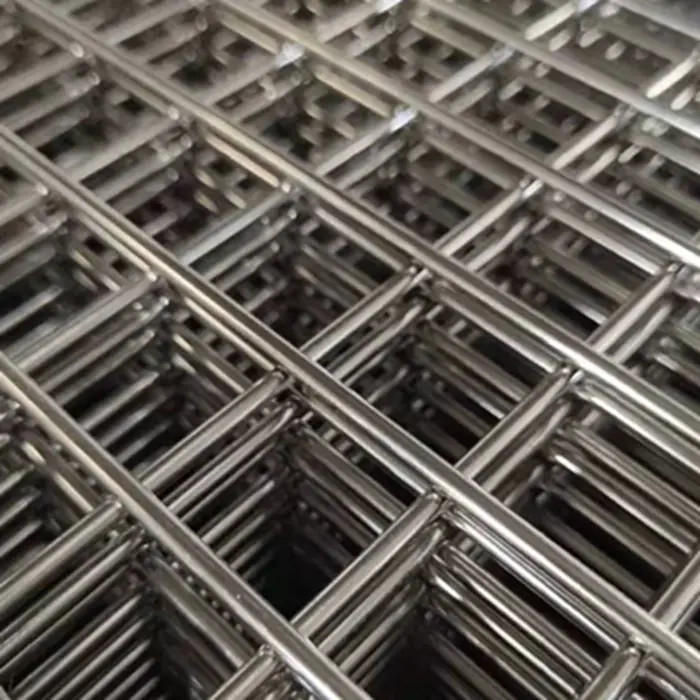

Acoustic Barriers for Construction Sites: A Comprehensive Guide
Construction sites are notoriously noisy environments. Excessive noise not only poses a significant health risk to workers but also leads to community complaints and potential legal issues. Acoustic barriers offer an effective solution to mitigate these problems, creating a safer and more harmonious working environment. This guide provides a detailed overview of acoustic barriers, their benefits, types, installation, and considerations for choosing the right solution for your construction project. Effective noise control is crucial for maintaining worker safety, minimizing disruption to neighbors, and ensuring project compliance.
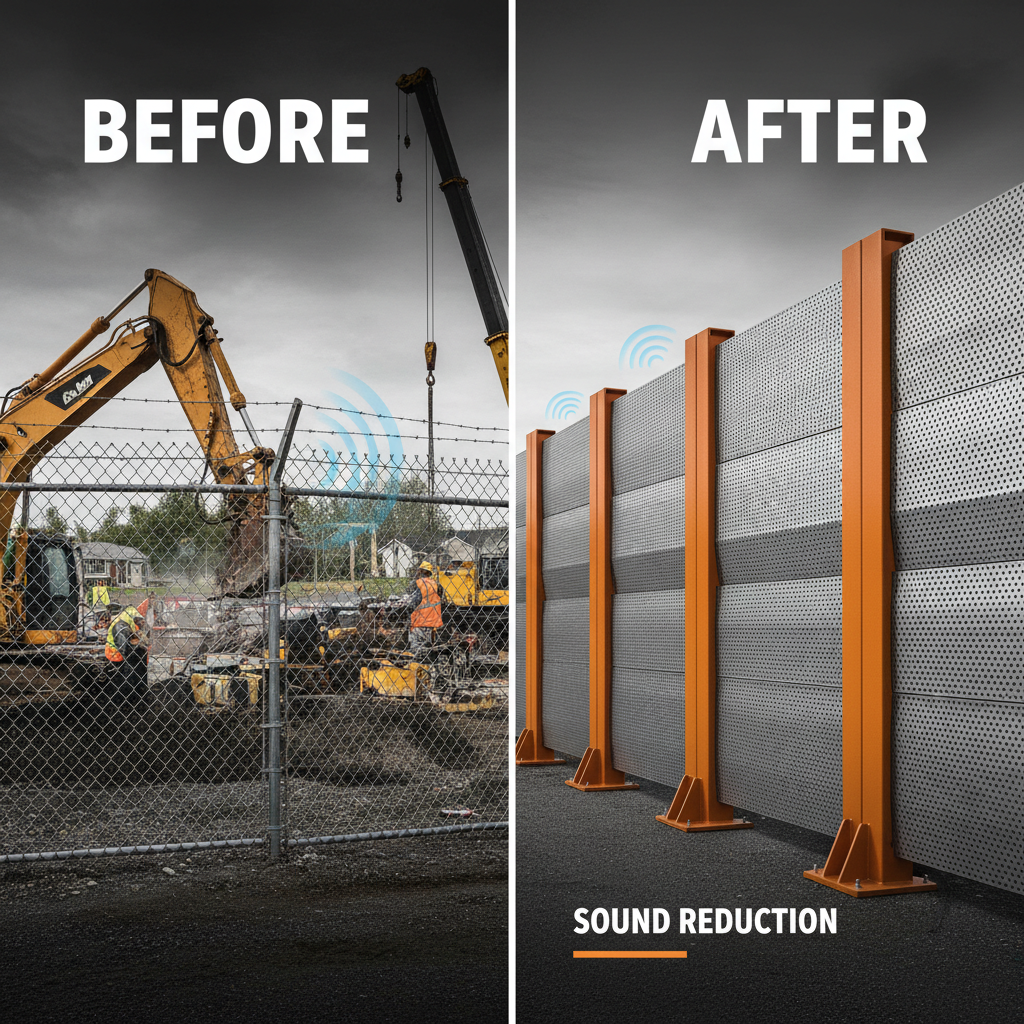
Why Use Acoustic Barriers on Construction Sites?
The benefits of implementing acoustic barriers extend far beyond simply reducing noise levels. Protecting worker hearing is paramount; prolonged exposure to high decibel levels can lead to permanent hearing loss. Furthermore, a quieter worksite improves communication, reduces stress, and enhances productivity. Addressing noise pollution demonstrates corporate social responsibility and can foster positive relationships with the surrounding community. Properly designed and installed barriers also help projects adhere to local noise ordinances, avoiding potential fines and delays. Investing in acoustic control is an investment in both people and project success.
Key Benefits: Protect worker hearing, enhance communication, improve productivity, ensure legal compliance, and foster community goodwill.
Types of Acoustic Barriers for Construction
Several types of acoustic barriers are available, each suited to different applications and budgets. Common options include: noise blankets (durable, portable, and easy to install), temporary fencing with acoustic lining (cost-effective for perimeter noise control), and permanent sound walls (robust, long-lasting solutions for ongoing noise mitigation). The choice depends on the project’s duration, the level of noise reduction required, site constraints, and budget. Combining different barrier types can often achieve optimal results. Considering the specific noise sources and the surrounding environment is critical for selecting the most effective barrier.
Acoustic Barrier Types:
• Noise Blankets
• Acoustic Fencing
• Permanent Sound Walls
• Portable Acoustic Screens
Acoustic Barrier Comparison: Features and Performance
Selecting the right acoustic barrier requires careful consideration of its features and expected performance. The Sound Transmission Class (STC) rating is a key metric, indicating the barrier’s ability to reduce sound transmission. Higher STC values indicate better noise reduction. Durability, portability, ease of installation, and cost are also important factors. Below is a comparison of common acoustic barrier types:
Installation and Best Practices
Proper installation is critical for maximizing the effectiveness of acoustic barriers. Barriers should be securely anchored to prevent wind damage and ensure they form a complete seal. Gaps or openings significantly reduce noise reduction. Consider the height and length of the barrier relative to the noise source and receiver. For optimal results, consult with an acoustic engineer or a specialized supplier like Fencing Wire Mesh. Regular inspection and maintenance are also important to ensure continued performance.
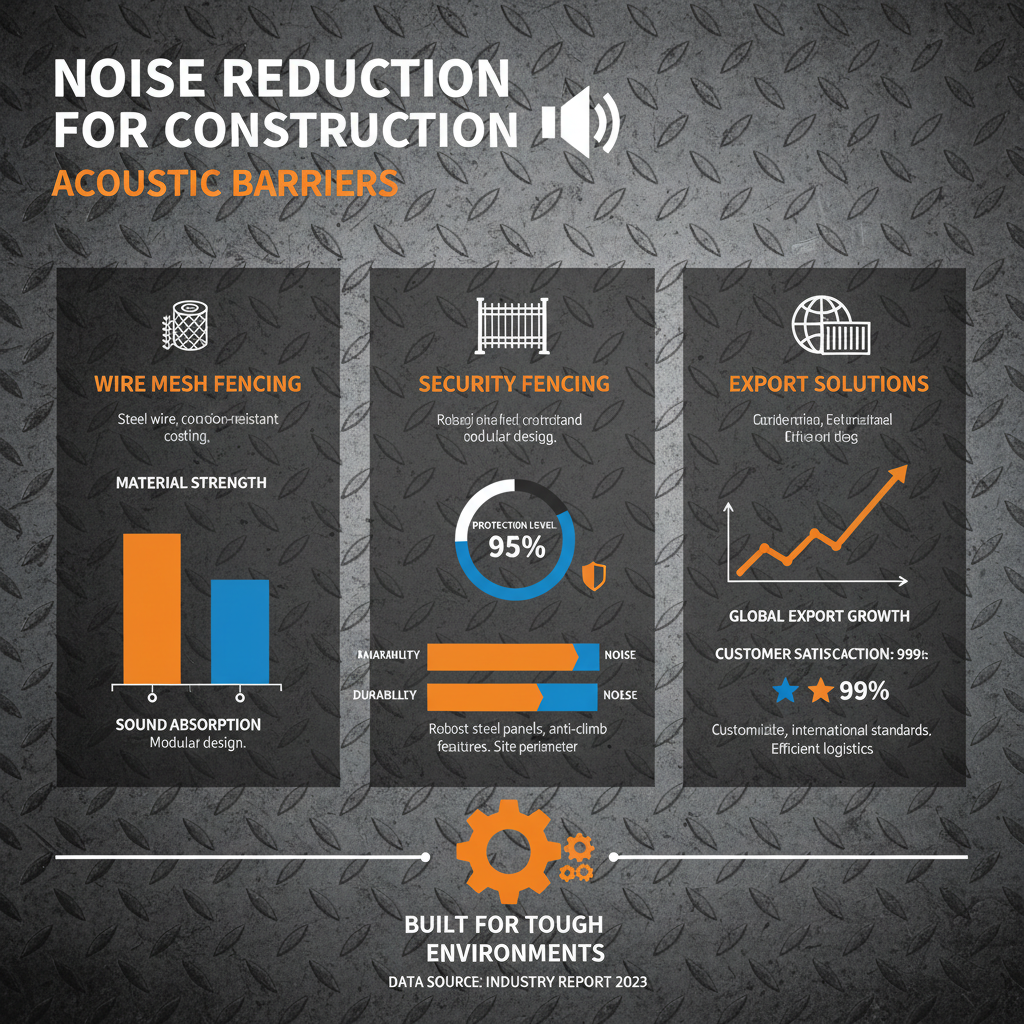
Choosing the Right Acoustic Barrier: Key Considerations
Selecting the most appropriate acoustic barrier requires careful assessment of several factors. Evaluate the noise source’s frequency and intensity, the distance to surrounding sensitive receptors (e.g., residential areas, schools), and the project’s budget. Consider site access and any potential obstructions. Working with experienced suppliers can provide valuable guidance and ensure you select a barrier that meets your specific needs and regulatory requirements. Don't underestimate the importance of professional advice.
Conclusion: Investing in a Quieter Construction Site
Implementing acoustic barriers is a responsible and effective way to mitigate noise pollution from construction sites. By protecting workers, respecting communities, and ensuring compliance, you create a safer, more sustainable, and legally sound project. Fencing Wire Mesh offers a comprehensive range of acoustic solutions tailored to meet the diverse needs of the construction industry. Don't let noise be a barrier to your project's success.
Frequently Asked Questions (FAQs)
What is the STC rating, and why is it important?
STC, or Sound Transmission Class, is a numerical rating that indicates how well a material or barrier blocks sound. A higher STC rating means the barrier is more effective at reducing sound transmission. For construction sites, a higher STC rating is generally desirable, particularly when dealing with noise-sensitive areas. The specific STC rating required will depend on local noise ordinances and the intensity of the noise source. It’s crucial to choose a barrier with an STC rating appropriate for your specific needs.
How high do acoustic barriers need to be?
The required height of an acoustic barrier depends on several factors, including the distance between the noise source and the receiver, the frequency of the noise, and the desired level of noise reduction. Generally, the barrier needs to be high enough to break the direct line of sight between the source and the receiver. A qualified acoustic consultant can perform calculations to determine the optimal height for your specific situation. Simply put, taller barriers generally provide better noise reduction, but they also come with higher costs and potential visual impact considerations.
Are acoustic barriers effective in windy conditions?
Wind can affect the performance of acoustic barriers, potentially causing sound to diffract over the top or around the sides. Properly designed and installed barriers will consider wind effects. This often involves ensuring the barrier is securely anchored and that there are no gaps or openings. Some barriers are specifically designed with features to minimize wind-induced sound transmission. Consulting with an expert can help you choose a barrier suitable for your site's wind conditions.