

Understanding 6ft Chain Link Fence Cost
Planning a fencing project? Knowing the 6ft chain link fence cost is crucial for budgeting. This article will break down the factors influencing the price, providing a comprehensive guide to help you estimate your expenses. We'll explore material costs, installation fees, and potential additional expenses. Understanding these elements will empower you to make informed decisions and secure the best value for your fencing needs.
Factors Influencing the Cost of a 6ft Chain Link Fence
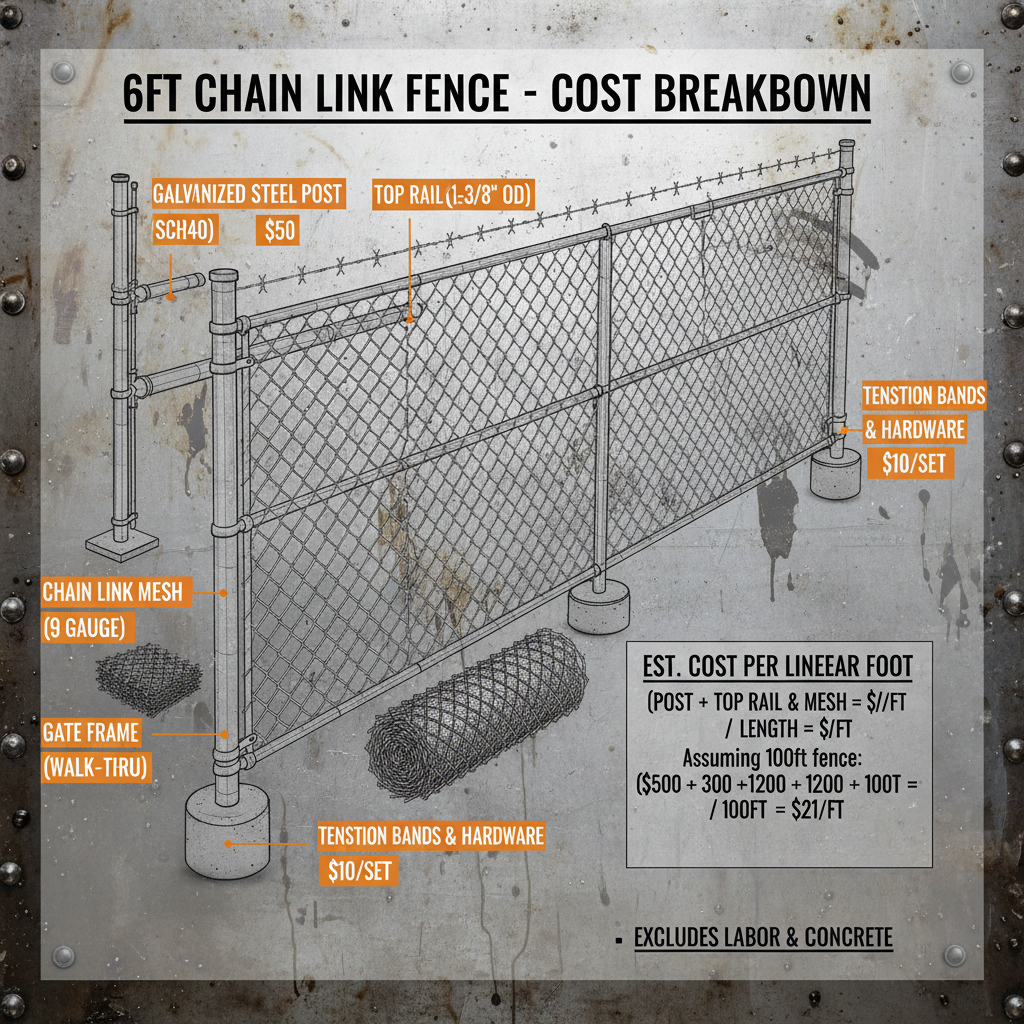
Several factors determine the final cost of a 6ft chain link fence. These include the gauge of the chain link fabric, the post material (steel or aluminum), the post spacing, the type of coating, and labor costs if you choose professional installation. The length of the fence also plays a significant role – longer fences naturally require more materials and labor. Terrain can impact costs as well; uneven ground requires more post adjustments and potentially additional materials. Considering these variables upfront allows for a more accurate budget.
Key Considerations: Gauge of chain link fabric, post material, labor cost, and terrain complexity all contribute to the overall price.
Material Breakdown: A Cost Estimate
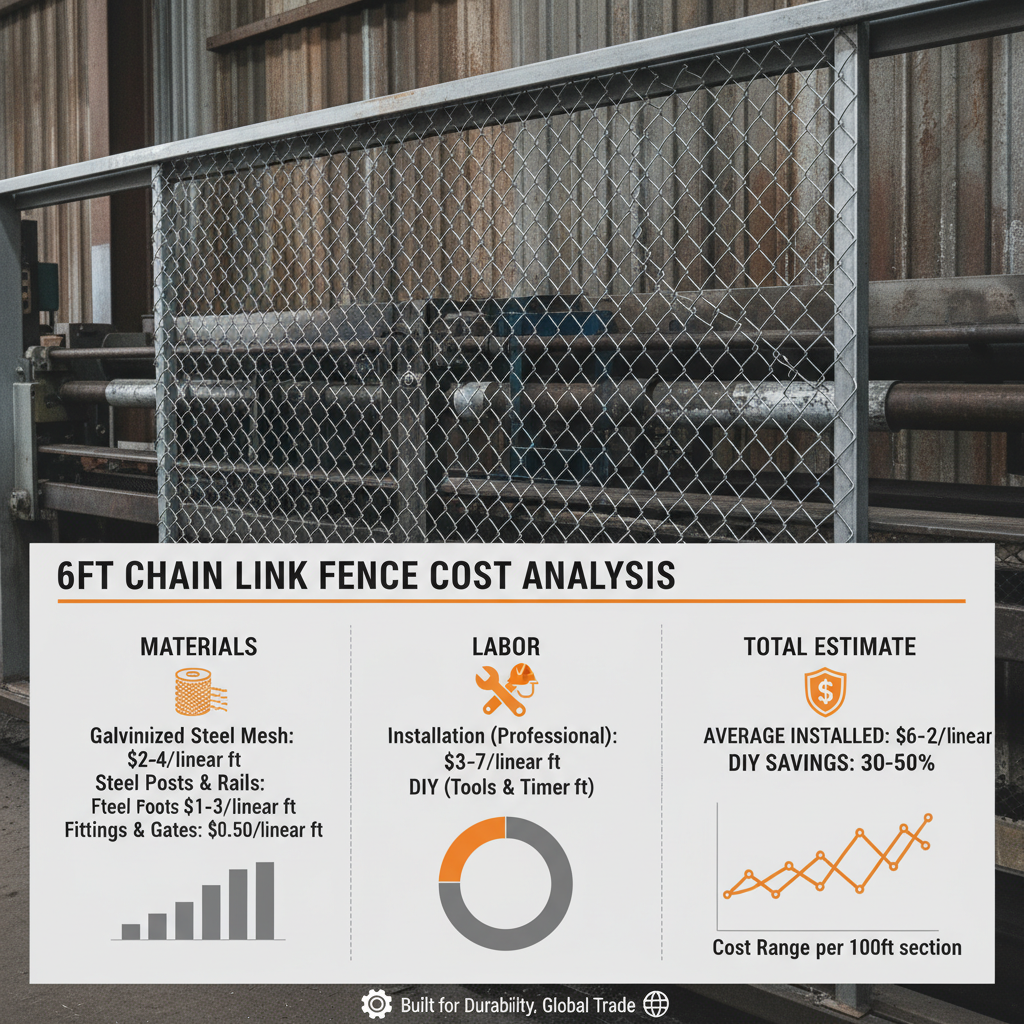
Here's a breakdown of the typical material costs for a 6ft chain link fence, per linear foot. These prices are approximate and can vary depending on your location and supplier. For more detailed pricing and quality options, check out Fencing Wire Mesh.
Installation Costs: DIY vs. Professional
You have two main options for installation: do-it-yourself (DIY) or hiring a professional. DIY installation can save on labor costs, but requires time, physical effort, and some fencing knowledge. Professional installation typically costs between $3 and $7 per linear foot, depending on your location and the complexity of the job. The convenience and assurance of a properly installed fence often outweigh the labor costs for many homeowners.
6ft Chain Link Fence Cost: A Comparison
Let's look at a comparative estimate for a 100ft fence, considering different scenarios:
Cost Breakdown (100ft Fence):
• Materials Only (DIY): $500 - $900
• Materials & Professional Installation: $800 - $1600
• Premium Materials & Installation (Galvanized or Vinyl Coated): $1200 - $2500
Additional Costs to Consider
Don't forget to factor in potential additional costs. These include gate installation, excavation (if required), and permits (depending on your local regulations). Post caps, decorative elements, and privacy slats (to reduce visibility) also add to the overall expense. A thorough assessment of your property and local requirements will help you avoid unexpected costs.
Conclusion: Planning for Your 6ft Chain Link Fence
Accurately estimating the 6ft chain link fence cost requires careful consideration of materials, labor, and potential additional expenses. By understanding these factors and obtaining quotes from reputable suppliers like Fencing Wire Mesh, you can create a realistic budget and ensure a successful fencing project.
Frequently Asked Questions (FAQs)
What is the most cost-effective chain link fence option?
The most cost-effective option generally involves using a 9-gauge galvanized chain link fabric with steel posts set at 8-foot intervals. Choosing a standard coating and opting for DIY installation will also minimize costs. However, be mindful that lower-gauge fabrics and less durable materials may require more frequent repairs or replacements. Weigh the initial cost savings against the long-term maintenance requirements.
How does the gauge of chain link fabric affect the price?
The gauge refers to the thickness of the wire used in the chain link fabric. Lower gauge numbers (e.g., 9 gauge) indicate thicker, stronger wire, which is more expensive. Thicker wire is more durable and resistant to stretching and breaking, making it ideal for high-security applications or areas with heavy use. Higher gauge numbers (e.g., 11 gauge) are less expensive but offer less strength and durability.
Are there any hidden costs I should be aware of?
Yes, potential hidden costs include excavation for post installation (especially in rocky or uneven terrain), permits required by your local municipality, gate hardware (hinges, latches, etc.), and disposal fees for old fencing if you're replacing an existing fence. Always factor in a contingency fund (around 10-15%) to cover unexpected expenses.
What is the difference between galvanized and vinyl-coated chain link?
Galvanized chain link is coated with zinc to protect against rust and corrosion. It’s more affordable but can still rust over time, particularly in harsh environments. Vinyl-coated chain link has a layer of vinyl plastic over the galvanized steel, providing superior corrosion resistance and a more aesthetically pleasing appearance. Vinyl coating is more expensive but offers a longer lifespan and requires less maintenance.